

Contents
Artificial Intelligence in Modern Warfare: Reshaping the Battlefield
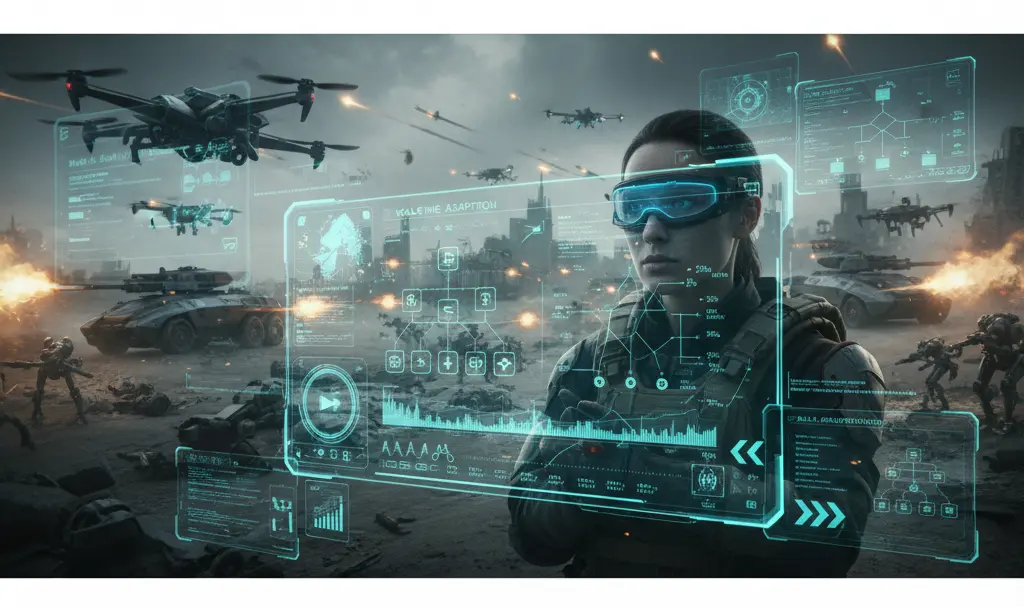
Artificial intelligence (AI) is rapidly and assertively entering the domain of warfare, dramatically reducing decision-making timelines from days to mere seconds. This transformative shift is vividly demonstrated by recent military engagements, particularly in the Middle East.
The AI Revolution on the Modern Battlefield
In recent military operations, including reported attacks on targets within Iran, U.S. armed forces have reportedly leveraged AI-powered tools to expedite operational planning. This enabled an unprecedented scale and pace of action, with nearly 900 strikes conducted within the first twelve hours – a tempo that would have been unimaginable just a short while ago.
The AI model known as Claude, developed by Anthropic, was reportedly integrated into U.S. defense structures as early as 2024. Its primary functions included streamlining intelligence analysis and providing crucial support to commanders in their decision-making processes. This system is part of broader solutions developed by Palantir in collaboration with the Pentagon.
Accelerated Decision-Making: AI Outpaces Human Reflexes
Experts, including those cited by The Guardian, emphasize that AI significantly shortens the entire decision-making chain. This chain, traditionally spanning from target identification through legal analysis to the issuance of an attack order, could once take days or even weeks for complex operations. Today, AI systems can generate comprehensive recommendations within minutes, and sometimes even seconds.
Modern AI systems are designed to process and analyze vast quantities of data at incredible speeds. This includes:
- Drone footage
- Intercepted communications
- Intelligence reports
- Data on armament stockpiles
These algorithms not only identify potential targets but also suggest optimal weapon systems and assess the legal justifications for an engagement. The result is a curated set of options presented to human decision-makers, who must then approve them under highly compressed timelines.
Ethical Considerations and Humanitarian Concerns
The rapid integration of AI into military decision-making processes raises profound ethical questions. Technology ethicists warn that such accelerated operational tempos could diminish the role of human decision-makers, reducing their function to merely formalizing machine-generated proposals. This also introduces a significant risk of psychological detachment from the consequences of these decisions, as much of the analytical burden is transferred to artificial intelligence.
Humanitarian implications are also a serious concern. According to Iranian state media, one missile attack in the southern part of the country reportedly resulted in 165 fatalities, including children. The target was near military facilities, and the United Nations characterized the incident as “serious violation of humanitarian law.” The U.S. military has stated it is reviewing these reports.
The Global AI Arms Race: Who Has the Edge?
While Iran reportedly declared its intention to utilize AI in missile guidance systems by 2025, its capabilities in this domain are widely believed to be limited compared to global leaders like the United States and China. This disparity fuels an accelerating technological competition.

The landscape of defense AI development is highly dynamic. Following reports of Anthropic’s Claude model being potentially phased out of certain government systems, OpenAI quickly stepped in, securing its own agreement with the Pentagon to explore similar applications. This highlights the intense competition and rapid advancements in military AI.
Beyond Combat: Broader Military Applications of AI
It’s crucial to recognize that the expanding applications of AI in the military extend far beyond direct combat operations. AI is increasingly being integrated into:
- Logistics and supply chain management
- Military training and simulation
- Resource allocation and personnel management
All indications suggest that the era of the algorithmic battlefield is only just beginning. The critical question is no longer if AI will play a central role, but rather how far we will allow machines to influence and even dictate decisions involving life and death.
Frequently Asked Questions (FAQ)
How does AI accelerate military decision-making?
AI systems rapidly process vast amounts of data from various sources (drones, intelligence, communications) to identify targets, suggest weapons, and assess legal implications. This allows for complex operational planning to be condensed from days or weeks into minutes or seconds, presenting human commanders with ready-made options for quick approval.
What are the ethical concerns regarding AI in warfare?
Key concerns include the potential reduction of human oversight and decision-making roles, leading to commanders merely rubber-stamping machine-generated proposals. There’s also a risk of psychological detachment from the consequences of military actions and increased potential for humanitarian violations due to the sheer speed and scale of AI-driven operations.
Which AI models are being used by defense organizations?
The U.S. military has reportedly used Anthropic’s Claude model for intelligence analysis and decision support, integrated through Palantir. More recently, OpenAI has also signed agreements with the Pentagon, indicating a growing trend of major AI developers engaging with defense initiatives.
Is there an AI arms race among nations?
Yes, there is a significant global competition in military AI development. Countries like the United States and China are considered leaders, while others like Iran are also working to integrate AI into their defense systems, though often with more limited capabilities. This competition is rapidly accelerating technological advancements in the defense sector.
Beyond combat, how else is AI used in the military?
AI’s applications in the military extend beyond direct combat to critical support functions such as optimizing logistics and supply chain management, enhancing military training and simulation exercises, and improving resource allocation and personnel management across various branches.
Source: The Guardian, original research. Opening photo: Gemini
About Post Author
