

Contents

Massive Cybersecurity Operation Disables Hundreds of Phishing Sites, Including 120 Targeting Polish Users
In a major victory against cybercrime, a meticulously coordinated effort by cybersecurity services has resulted in the shutdown of hundreds of domains previously exploited by online fraudsters. This extensive operation successfully neutralized 120 addresses specifically linked to phishing activities that targeted users in Poland, significantly enhancing online security.

Europe’s Coordinated Stance Against Phishing
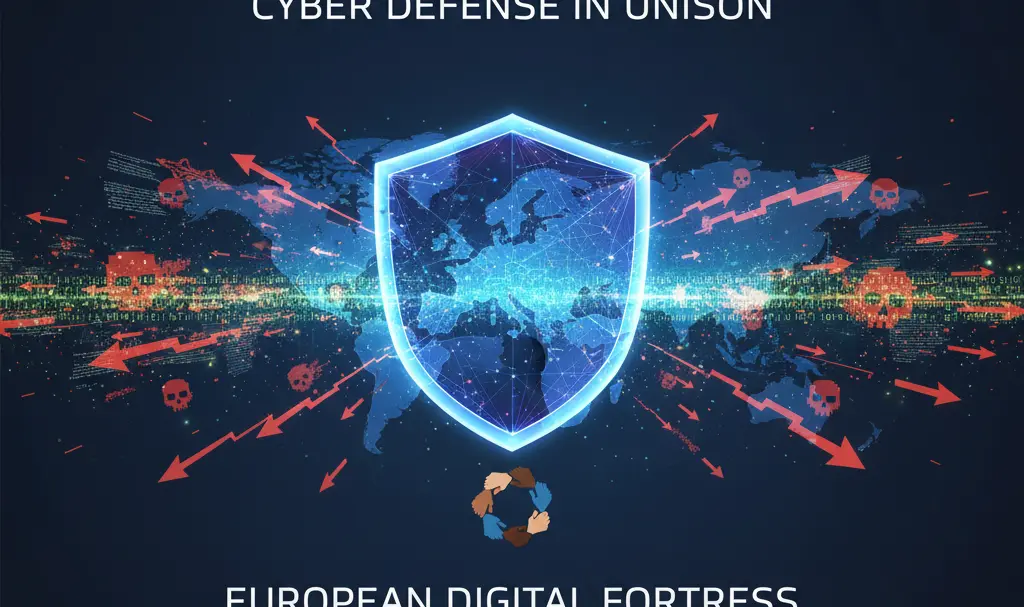
Across Europe, a wide-ranging initiative was launched to dismantle the intricate infrastructure utilized by cybercriminals. According to Krzysztof Gawkowski, Poland’s Minister of Digital Affairs, who shared updates on platform X, this impactful action was a direct outcome of robust cooperation among international institutions and agencies dedicated to combating internet-based crime.
Over 120 Polish phishing sites blocked! As part of a coordinated international operation by Europol, the Central Cybercrime Combat Bureau, together with NASK and CERT Polska, cybercriminals have been prevented from running phishing campaigns across Europe. Thanks to…
— Krzysztof Gawkowski (@KGawkowski) March 5, 2026
This coordinated strike exemplifies the growing international resolve to protect internet users from sophisticated online threats.
The Scope of the Takedown
On the Polish front, the Central Cybercrime Combat Bureau actively participated in these efforts, supported by experts from NASK (National Research Institute) and the CERT Polska team. Their combined actions led to the deactivation of 120 domains that were integral to the system used by fraudsters to conduct data-harvesting phishing campaigns.
Across the entire European continent, a total of 330 domains, which served as the technical backbone for these criminal operations, were successfully blocked. The elimination of these critical infrastructure elements is expected to severely impede cybercriminals’ ability to launch large-scale attacks on internet users, making it more difficult for them to reach potential victims.
Tycoon 2FA: A Key Tool for Account Takeovers
One of the primary tools exploited by these cybercriminals was a sophisticated platform known as Tycoon 2FA. This platform was specifically designed to facilitate the takeover of email inboxes and bypass the various security measures implemented across numerous online services. Its effectiveness allowed fraudsters to circumvent common two-factor authentication (2FA) protocols.
The scale of its operation was immense. Information cited by the Ministry of Digital Affairs indicates that this solution was used monthly to distribute an enormous volume of messages. These messages were meticulously crafted to trick recipients into revealing their login credentials. As a direct consequence, tens of thousands of organizations worldwide, including vital educational institutions, medical facilities, and public sector bodies, faced the risk of losing access to their critical accounts.
Protecting Yourself from Phishing Attacks
Cybersecurity experts consistently emphasize the importance of vigilance and caution when encountering suspicious messages. It is crucial to avoid acting under pressure and to take the time to verify the legitimacy of any communication.
- Exercise Caution: Always be wary of unexpected emails, text messages, or calls that ask for personal information or urgent action.
- Verify the Sender: Thoroughly check the sender’s email address or phone number. Phishing attempts often use slightly altered addresses to mimic legitimate sources.
- Avoid Unknown Links and Attachments: Refrain from opening attachments or clicking on links from unfamiliar or suspicious sources. Hover over links to preview their destination before clicking.
- Report Suspicious Activity: If you receive a phishing attempt, report it to your email provider or relevant cybersecurity authorities.
- Immediate Action if Compromised: If you suspect your data has been compromised, take immediate steps:
- Change all affected passwords to strong, unique ones.
- Inform your bank or financial institutions if financial data was involved.
- Report the incident to appropriate cybersecurity institutions or law enforcement agencies.
Frequently Asked Questions (FAQ)
What is phishing?
Phishing is a type of cybercrime where attackers attempt to trick individuals into revealing sensitive information, such as usernames, passwords, and credit card details, by disguising themselves as trustworthy entities in electronic communication. This can happen through emails, text messages, or malicious websites.
How many domains were blocked in this operation?
A total of 330 domains serving as technical infrastructure for cybercriminals were blocked across Europe. Of these, 120 were specifically associated with phishing activities targeting users in Poland.
What is Tycoon 2FA?
Tycoon 2FA was a platform utilized by cybercriminals to bypass security measures, including two-factor authentication, and gain unauthorized access to email accounts. It was instrumental in distributing a vast number of phishing messages designed to steal login credentials.
Who participated in the operation in Poland?
In Poland, the Central Cybercrime Combat Bureau, along with experts from NASK (National Research Institute) and the CERT Polska team, actively participated in the coordinated international cybersecurity operation.
What should I do if I suspect my accounts have been compromised?
If you suspect your data or accounts have been compromised, immediately change all affected passwords, notify your bank if financial information was involved, and report the incident to relevant cybersecurity institutions or law enforcement agencies.
Source: Wirtualne Media, X, Original reporting. Opening photo: Gemini
About Post Author
