

Contents
Lidl’s New Solar Power Initiative: Plug-in Panels Arrive in the UK to Combat Rising Energy Costs
Lidl’s Renewed Focus on Solar Power: A UK-Centric Approach
Lidl is once again venturing into the solar energy market, this time setting its sights on the United Kingdom. This strategic move introduces a solution that previously didn’t gain traction in Poland, but appears perfectly timed for the current energy landscape in the UK.
Learning from the Past: Lidl’s Prior Solar Attempt in Poland
Several years ago, Lidl explored the Polish photovoltaic market by offering pre-packaged solar panel kits directly to consumers, including through online sales. However, this initiative failed to achieve widespread popularity and was eventually withdrawn from the network’s offerings. The main hurdles were often the complexity of installation and the initial cost, making it less appealing to the average homeowner.
Introducing Plug-in Solar Panels: A Simpler Solution
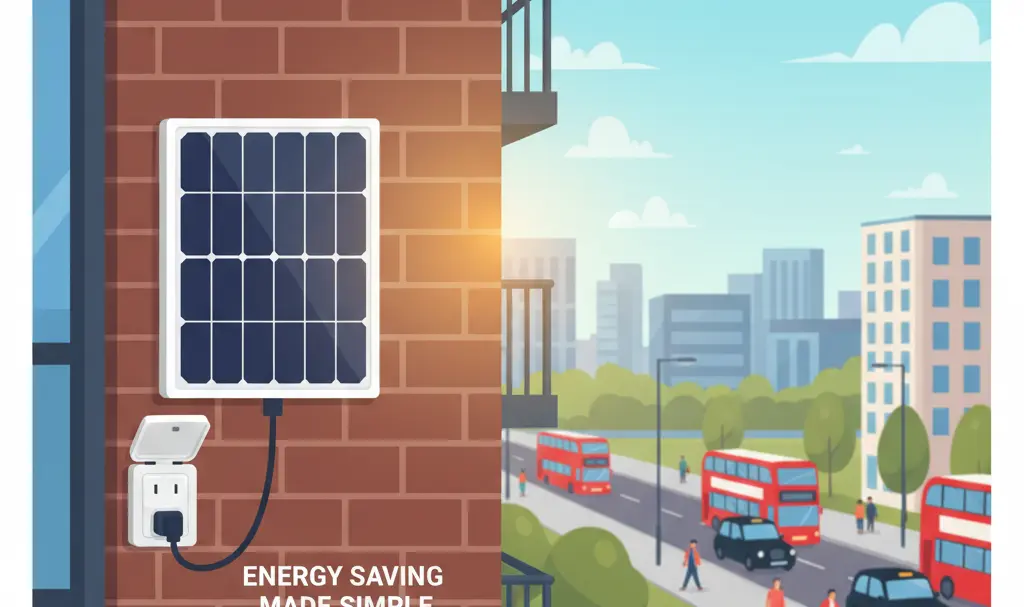
The concept is making a comeback, albeit in a modified form and in a different country. Lidl, in collaboration with Amazon and EcoFlow, is preparing to launch “plug-in” solar panels in the British market. These innovative panels are designed for direct connection to a standard electrical outlet, significantly simplifying the installation process.
The solar kits are anticipated to be available in the UK within the next few months. Unlike traditional photovoltaic installations, these plug-in panels boast a much simpler setup, requiring no specialized professional work or modifications to existing electrical systems. This ease of installation is a major advantage, making them far more accessible to a broader consumer base.
This new solution is expected to be more user-friendly and affordable for the average consumer than the earlier offerings in Poland, where both price and installation complexity proved to be significant barriers.
The UK Market: A Fertile Ground for Solar Innovation
The United Kingdom is currently grappling with a sharp increase in energy prices. The government, led by Prime Minister Keir Starmer, is actively seeking ways to alleviate the financial burden on households. Forecasts indicate that energy bills could rise by approximately 20%, which has substantially amplified public interest in alternative energy sources.
In this context, easily installable plug-in solar panels could meet a critical market need, particularly for individuals renting properties who might not have the option for permanent, complex solar installations. Furthermore, the British government is planning regulatory amendments that will permit the use of such devices without requiring certified electricians for installation. Concurrently, new building standards are being introduced that will necessitate the integration of renewable energy sources in new homes.
Evidently, the market Lidl is re-entering today is considerably more prepared for such solutions than Poland was a few years ago. It is not improbable, however, that the company might revisit this concept in Poland in the future.
Frequently Asked Questions (FAQ)
Frequently Asked Questions (FAQ)
What are plug-in solar panels and how do they differ from traditional solar systems?

Plug-in solar panels are smaller, portable photovoltaic systems designed for direct connection to a standard household electrical outlet. Unlike traditional rooftop solar arrays that require complex installation, wiring by certified electricians, and often grid connection approvals, plug-in panels are essentially ‘DIY’ friendly. They are ideal for supplementing household electricity consumption and can significantly reduce reliance on grid power for certain appliances.
Why is Lidl launching these plug-in panels specifically in the UK now?
The timing for Lidl’s plug-in solar panel launch in the UK is strategic due to a confluence of factors. The UK is currently experiencing a significant surge in energy prices, leading to increased consumer demand for cost-saving energy solutions. Furthermore, the British government is actively supporting renewable energy initiatives and considering regulatory changes to simplify the adoption of such home energy solutions, making the market highly receptive.
What are the potential financial savings and ideal use cases for these plug-in solar panels?
The potential savings from plug-in solar panels will vary based on electricity consumption, local energy prices, and sunlight exposure. However, they can significantly offset the cost of running everyday appliances by generating clean electricity. They are particularly ideal for renters, apartment dwellers, or homeowners seeking an accessible entry point into solar energy without the high upfront costs and complex installation of a full rooftop system. They can also be a great solution for supplementing power in garden sheds or small outbuildings.
Are there any government incentives or specific regulations in the UK supporting the use of plug-in solar panels?
The UK government is actively promoting renewable energy. While specific incentives for plug-in panels may vary, the broader push towards green energy, including potential regulatory changes to streamline the use of such devices without needing professional electricians, creates a supportive environment. Consumers should always check the latest local government and utility regulations regarding microgeneration and grid connection for full compliance.
Source: Bloomberg, internal research.
Opening photo: Magda Wygralak / Shutterstock, own modifications.
About Post Author
