

Contents
The Alarming Rise of ‘Too Good to Be True’ Thermomix Deals Online
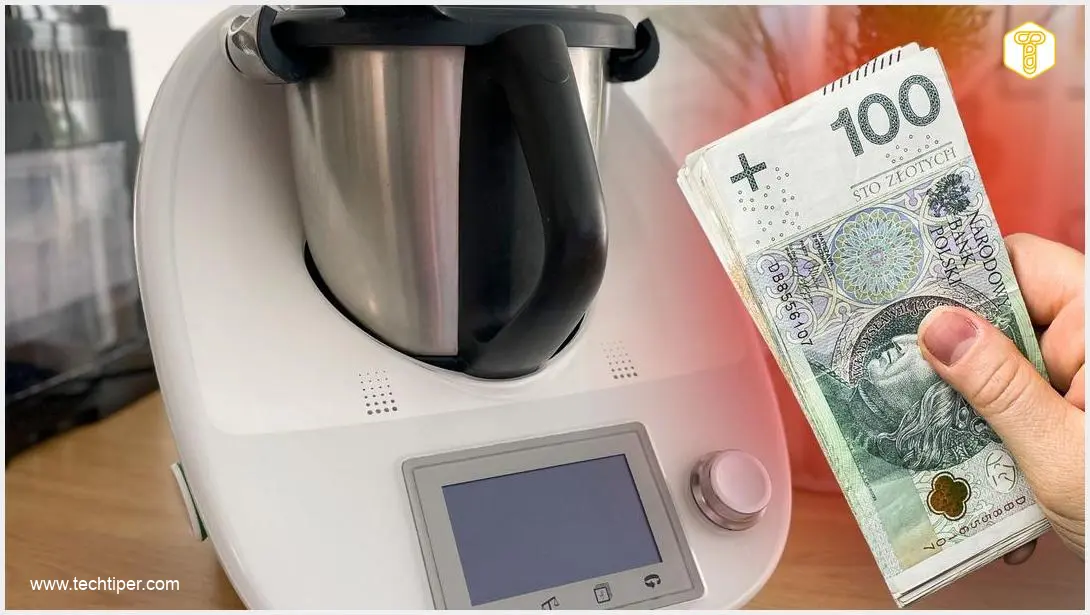
In online communities dedicated to popular kitchen appliances like the Thermomix, offers to sell these devices for a fraction of their market value appear regularly. If you believe the sellers, you could acquire one of these coveted kitchen robots for an incredibly low price, often presented as an appealing deal.
Sellers typically claim the low price is due to purchasing a newer model and wanting to quickly offload their previous one. While these offers attract many interested buyers, they also leave a trail of disappointed and defrauded individuals.
The Lure of Unbelievable Bargains: Understanding the Scam
Online Scams: A Persistent Threat
This type of internet fraud isn’t new; similar schemes often appear as fake ads and cybersecurity threats. In recent months, we’ve seen numerous reports of individuals offering expensive electronics, such as coffee makers or laptops, for free or at significantly reduced prices.
Some of these offers can be genuine—some people genuinely prefer to give away items rather than deal with online auction sites. However, many are fraudulent. Scammers commonly promise an item for free, asking only for shipping costs. The item, of course, never reaches the buyer, who ends up losing their money.
Victims often decide not to report these incidents, reasoning that the amount lost is too small. However, these fraudsters operate on a large scale, accumulating substantial sums through numerous small deceptions. The same principle applies to the Thermomix scams, though the mechanism here is often more sophisticated.
How the Thermomix Scam Unfolds
The scam typically begins with a post featuring photos of a used Thermomix device in good condition, usually an older model. The seller states they’ve upgraded to a newer version and want to sell the previous one to someone who always dreamed of owning such an appliance but couldn’t afford it.
Often, comments are disabled, preventing other users from warning potential victims. Interested parties are instructed to contact the seller via private message. While many immediately recognize the offer as suspicious, a significant number still believe in the seller’s good intentions. After all, “giveaway” groups frequently feature similar genuine announcements.
They proceed to contact the seller privately and finalize details, unaware they are moments away from losing their money. Such deceptive practices highlight the broader issues of digital dangers and online exploitation, reminding us to remain vigilant.
The Scammers’ Sophisticated Tactics
To understand the effectiveness of these criminals, I investigated by messaging several individuals offering Thermomixes for an absurdly low price. One seller proposed an in-person pickup in a specific, distant city. Expecting the contact to cease after I declared my intention to travel, I was surprised to receive a precise address and a suggested meeting time.

This was peculiar. Especially since the address wasn’t a dilapidated building or an empty field, but a regular, sizable residential complex. It made the offer and the person behind it seem believable. Despite the travel time of over six hours, I confirmed my attendance.
However, the situation quickly changed. An hour before the supposed meeting, I requested confirmation. No response came, and communication ceased. Other sellers I messaged didn’t reply at all, suggesting that accounts offering kitchen robots for a fraction of their price might be managed by the same individual or group.
The “Personal Pickup” Ploy
In many cases, the scenario plays out differently, returning to the point where the seller provides a pickup location. Scammers usually check the potential victim’s location and deliberately choose towns hundreds of miles away. A buyer from one major city might be offered pickup in a small town near another distant major city.
When the buyer declines such an impractical solution, the scammer then proposes shipping via parcel locker or completing the purchase through a local online marketplace. This tactic lulls buyers into a false sense of security, as the seller initially suggested an in-person pickup, making them seem more legitimate.
Consequently, many decide to proceed with the transaction, either paying for the item and shipping via direct bank transfer or agreeing to purchase through a peer-to-peer selling platform. In both scenarios, it invariably leads to fraud, though the mechanisms differ slightly.
Shifting to Online Transactions: Unsecured Payments and Fake Marketplaces
Direct Bank Transfers
When direct bank transfers are involved, the scheme is straightforward. Shortly after the money is transferred, communication stops, leaving the buyer without funds and no easy way to recover them. The selling individual often doesn’t exist, operating with false identities and stolen photos.
Deceptive Online Marketplace Links
The process is different with alleged sales through online marketplaces. As users of various online groups report, fraudsters send links that eerily resemble legitimate listings. The only giveaway is the website address itself, which is often suspicious upon closer inspection. Unfortunately, not every user can immediately spot this discrepancy.
Purchasing through such a fabricated page inevitably results in financial loss, regardless of whether it’s for a Thermomix, a smartphone, or any other expensive item.
Protecting Yourself from Kitchen Appliance Fraud
Official Warnings and Manufacturer Stance
Law enforcement agencies have warned against similar cases for years. In 2023, for instance, police reported a woman who lost hundreds of dollars attempting to buy a Thermomix significantly below market price. The seller assured her the offer was legitimate; however, after the transfer, communication ceased, and the appliance never arrived.
Vorwerk, the manufacturer of Thermomix, also emphasizes that it is not responsible for purchases made outside its official sales network. “The sale of a second-hand device is a private initiative, and the company is not liable for the transaction,” the manufacturer states.
Tips for Safe Online Appliance Shopping
If you’re planning to buy a kitchen robot at a lower price, a safer option is to choose a more affordable model or purchase from a verified seller—even if it means passing up an apparent “bargain.”
However, if you still wish to take advantage of an attractive offer, consider proposing cash-on-delivery (COD) or in-person pickup in a safe, public location. Be aware that these suggestions often lead to the seller cutting off contact, which is a strong indicator of a scam.
- Always be skeptical of offers that seem “too good to be true.”
- Verify the seller’s identity and reviews, if possible.
- Insist on secure payment methods that offer buyer protection.
- Never click on suspicious links, especially those sent via private message for payment.
- Prioritize purchases from official retailers or highly reputable platforms with strong buyer safeguards.
Frequently Asked Questions (FAQ)
Why are Thermomix scams so prevalent, and why do people fall for them?
Thermomix devices are high-value kitchen appliances, making deep discounts incredibly tempting. People often fall for these scams due to a combination of factors: the desire for a bargain, believing the “upgrade” story, and the psychological manipulation of scammers who initially propose seemingly legitimate options like in-person pickups before pushing for less secure online transactions. The sense of urgency and exclusivity (“I’m selling it cheap just for you”) also plays a significant role.
How can I verify if an online seller offering a used Thermomix is legitimate?
Verifying a seller’s legitimacy requires vigilance. Look for extensive seller history and positive reviews on established, reputable platforms. Be wary of new accounts or those with generic profiles. Always ask for additional photos or videos of the device, preferably with a unique identifier (like a handwritten note with the current date). Insist on video calls to see the item and the seller. If possible, arrange for an in-person inspection and transaction in a public place. Avoid sellers who only communicate through private messages off the platform.
What are the safest payment methods to use when buying a used Thermomix online?
The safest payment methods are those that offer buyer protection. This includes services like PayPal (using Goods and Services, not Friends and Family), credit card payments through secure platforms, or escrow services. Avoid direct bank transfers, wire transfers, or unsecured mobile payment apps (like certain person-to-person payment services) when dealing with unknown sellers, as these offer little to no recourse if something goes wrong. For in-person transactions, cash is generally safest after thoroughly inspecting the item.
What should I do if I suspect I’ve been scammed or have already lost money?
If you suspect a scam, stop all communication with the seller immediately. If you’ve already sent money, contact your bank or payment provider to report the fraudulent transaction and inquire about chargeback options. Gather all evidence, including communications, transaction details, and screenshots of the offer. Report the incident to your local law enforcement agency and the platform where the scam occurred. Even if the amount seems small, reporting helps authorities track down scammers and prevent future victims.
Source: adapted from original article.
Opening photo: Dominika Nowobilska (original montage)
About Post Author
