

Contents
Nintendo Switch 2 Price Hike: What to Expect and Why It’s Happening
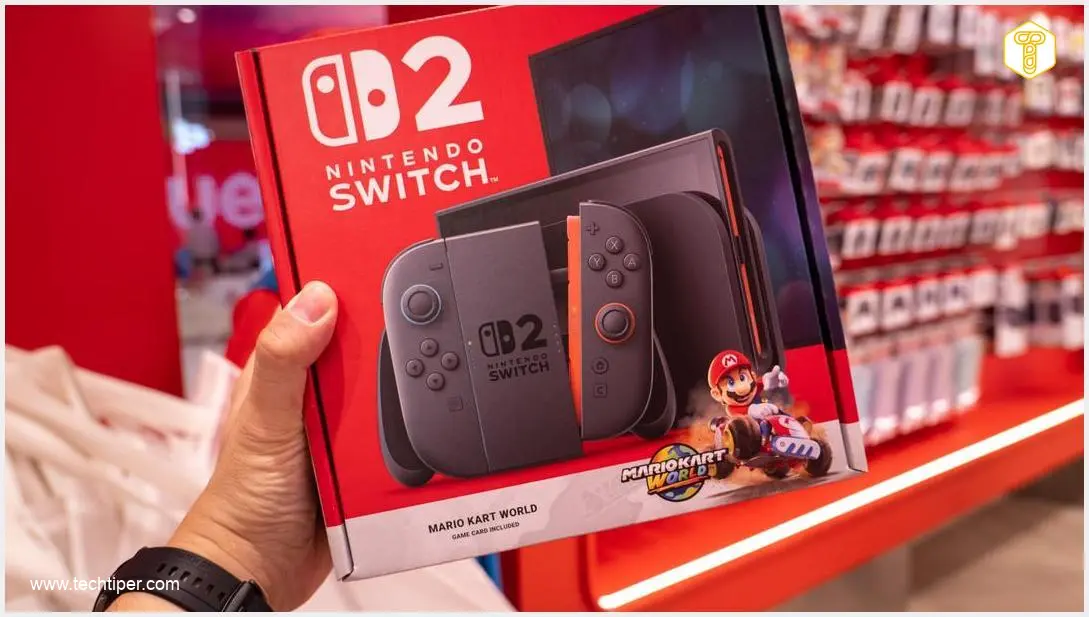
Unfortunately, all indicators suggest that in less than four months, the retail price of the upcoming Nintendo Switch 2 will increase significantly. The Japanese gaming giant appears to be adjusting its pricing strategy to offset a substantial projected drop in hardware sales. To make matters more complicated, Nintendo is also feeling the intense pressure of the ongoing global semiconductor crisis.
The Popular Handheld Console is Getting More Expensive
Rumors regarding a potential price hike for the Nintendo Switch 2 have been circulating across the industry for quite some time. Now, evidence points to this scenario becoming a reality as soon as September 1st. The suggested retail price of the handheld is expected to jump from $449.99 to $499.99, representing a steep $50 increase for consumers.
Initially, gamers in the United States and Japan will be the first to feel the impact of this higher price tag. However, it is already clear that international markets, including Canada and Europe, are next in line for the adjustment.
This pricing shift mirrors broader industry trends, as gaming hardware becomes more expensive to produce. In fact, consumers have already seen similar shifts recently, as the PlayStation 5 Pro price increase reaches retailers across the globe.
A Challenging Fiscal Year for Nintendo
Nintendo is entering a turbulent financial period. The clearest indicator of this struggle is the company’s hardware sales forecast for the current fiscal year, which concludes on March 31st of next year.
- Projected Sales Drop: The company expects to sell approximately 16.5 million hardware units by the end of the fiscal year.
- Year-over-Year Decline: This figure represents a massive decline, falling more than 3 million units short of the sales achieved in the previous comparable period.
- Stock Market Impact: Reflecting these operational challenges, Nintendo’s stock valuation experienced a sharp decline, dropping by nearly half since August.
Fortunately, it isn’t all bad news for the gaming behemoth. Software sales continue to be a strong pillar for the company. Notably, the excellent sales performance of the recent standout game, Pokémon Pokopia, has significantly exceeded the Japanese titan’s internal expectations, providing a much-needed financial cushion.
How the Global RAM Crisis is Impacting Nintendo
While disappointing for fans, Nintendo’s hardware struggles shouldn’t come as a complete surprise to industry analysts. The company’s current bottlenecks stem primarily from an ongoing crisis in the RAM memory market—a severe shortage that most consumer electronics manufacturers have been battling heading into 2025.
This component shortage affects the entire tech sector; for instance, we are seeing how Samsung Galaxy S26 market struggles and a profitability crisis due to RAM costs are reshaping the smartphone landscape.
The Unexpected Role of Helium Shortages
Currently, there is little hope that the semiconductor and RAM crisis will resolve itself in the near future. In fact, supply chain experts warn that the situation could accelerate, driven by an unexpected culprit: global helium shortages.

How does helium affect the Nintendo Switch 2? Here is a breakdown of the supply chain issue:
- Cooling Silicon Wafers: Helium gas is a critical element used in the manufacturing process to cool silicon wafers, which form the foundational components of RAM modules.
- Shipping Bottlenecks: A massive portion of the world’s helium is transported from Qatar to South Korea, a global hub for memory chip production.
- Geopolitical Tensions: The transportation route requires cargo vessels to navigate the Persian Gulf. Recent geopolitical tensions between the USA and Iran have made this crucial shipping lane increasingly risky and expensive to traverse, severely driving up component prices.
Frequently Asked Questions (FAQ)
Why is the Nintendo Switch 2 price increasing to $499.99?
The $50 price increase is primarily driven by rising production costs linked to the global RAM memory crisis, helium supply chain shortages, and the company’s strategy to offset projected declines in overall hardware sales.
Which regions will be affected by the Switch 2 price hike first?
Consumers in the United States and Japan are expected to see the price adjustment first. Shortly after, the price increase will be rolled out to other international markets, including Canada and Europe.
How do helium shortages impact video game consoles?
Helium is essential for cooling silicon wafers during the manufacturing of RAM modules. Geopolitical tensions in the Persian Gulf have disrupted the shipment of helium from Qatar to chip manufacturers in South Korea, leading to increased costs for components used in consoles like the Switch 2.
Source: CNBC & Opening photo: Wongsakorn / Adobe Stock
About Post Author
