

Contents
Samsung Galaxy Watch Ultra 2: A Leap in Battery Life and Performance
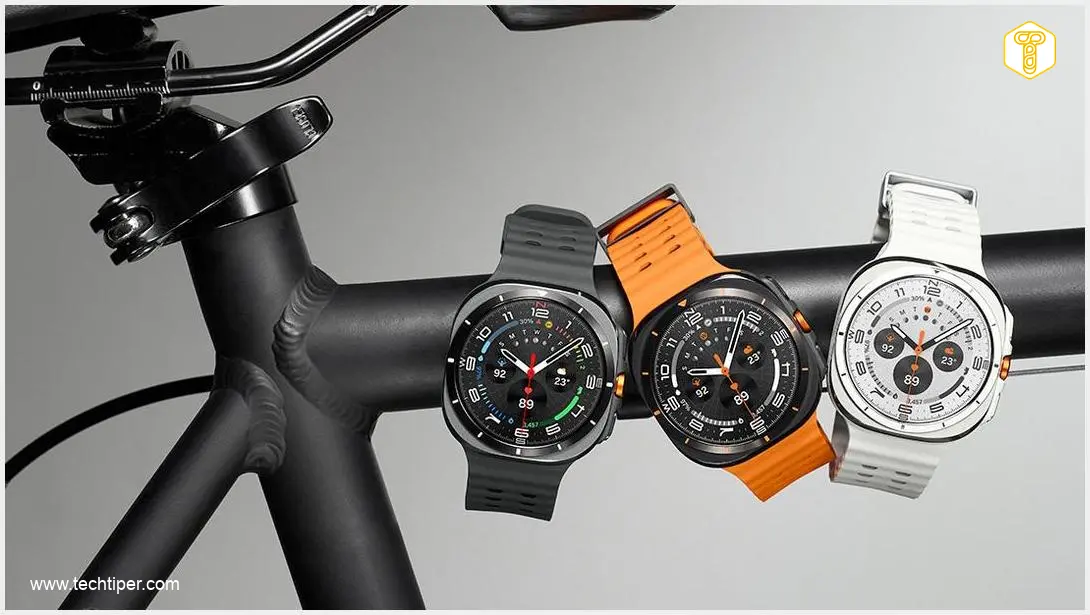
The Samsung Galaxy Watch Ultra 2 is poised to redefine the benchmark for smartwatches, potentially becoming the longest-lasting device in Samsung’s history. Leaks suggest this iteration truly embraces its “Ultra” designation, bringing substantial hardware innovations that go far beyond a mere name change.
Unprecedented Battery Life Boost for Samsung Smartwatches
One of the most anticipated upgrades for the Galaxy Watch Ultra 2 is its significantly enhanced battery capacity. According to information from sources like Sammy Fans and BIS (Bureau of Indian Standards) certification documents, the device is expected to feature a robust 784 mAh battery. This represents a considerable jump of approximately 194 mAh compared to the original Galaxy Watch Ultra, which housed a 590 mAh cell.
This larger battery is projected to deliver exceptional endurance, with estimates suggesting:
- Up to 80 hours of operation with the Always-on Display (AOD) enabled.
- Up to 100 hours with AOD switched off.
These figures would position the Galaxy Watch Ultra 2 among the top performers in the advanced Wear OS smartwatch segment. To put this in perspective, the 44mm Galaxy Watch 6, with its 435 mAh battery, typically offers around 30 hours with AOD. The Ultra 2 aims to provide more than double that lifespan, even under demanding scenarios involving GPS tracking, intensive workouts, and continuous health monitoring.
The BIS certification not only confirmed the battery size but also hinted at a broader device family from Samsung, including the Galaxy Watch 9 series and Galaxy Tab S12 tablets. However, the Ultra 2 stands out as the “long-distance runner” designed for users who prefer not to charge their smartwatch every night.
Next-Generation Processor and Advanced AI Capabilities
A pivotal change for the Galaxy Watch Ultra 2 is its anticipated shift to the new Snapdragon Wear Elite platform. This move away from Samsung’s in-house Exynos chips, which are expected in the standard Galaxy Watch 9 series, marks a significant strategic decision.
Qualcomm’s new chipset is rumored to offer substantial improvements in both CPU and GPU performance. Crucially, it will integrate a dedicated Hexagon NPU (Neural Processing Unit), enabling advanced artificial intelligence processing directly on the device. This on-board AI capability means complex tasks can be handled without constantly sending data to the cloud, enhancing privacy and responsiveness.
The adoption of the Snapdragon Wear Elite platform is expected to bring several key advantages:
- A much smoother user interface experience.
- Faster application launch times.
- Improved energy efficiency, directly contributing to the extended battery life mentioned above.
5G Connectivity, Satellite Communication, and Enhanced Outdoor Features
Sources indicate that the Galaxy Watch Ultra 2 could be Samsung’s first smartwatch to feature built-in 5G connectivity. This would provide unprecedented independence from a paired smartphone, allowing users to stream music, make calls, and utilize navigation directly from their wrist, even without their phone nearby.

Complementing 5G, the device is expected to support cutting-edge wireless technologies including Wi-Fi 6, Bluetooth 6.0, and Ultra-Wideband (UWB). Furthermore, there’s speculation about the potential inclusion of satellite connectivity (NB-NTN) for basic communication functions in areas beyond cellular network coverage, a feature that would greatly appeal to adventurers and outdoor enthusiasts. You can learn more about this potential feature at Samsung Galaxy Watch Ultra 2 5G Satellite Connectivity.
In terms of design and durability, the Ultra 2 is expected to maintain its robust build quality, featuring:
- A reinforced titanium casing.
- Scratch-resistant sapphire glass.
- 10 ATM water resistance (suitable for swimming and shallow-water activities).
- IP68 dust and water resistance rating.
While retaining these foundational strengths, leaks also suggest minor design and ergonomic refinements aimed at improving overall comfort during extended wear. The smartwatch will offer a comprehensive suite of health and fitness tracking features, including precise heart rate monitoring, advanced sleep analysis, blood pressure measurement, fall detection, and an SOS function. For athletes and outdoor adventurers, it will boast sophisticated training modes coupled with dual-band GPS for unparalleled route tracking accuracy.
Anticipated Release Date of the Galaxy Watch Ultra 2
The Galaxy Watch Ultra 2 is projected to be unveiled in the latter half of 2026. The most likely stage for its debut is Samsung’s summer Galaxy Unpacked event, which typically occurs around late July (e.g., July 22nd). This event is also expected to showcase Samsung’s next generation of foldable smartphones and the highly anticipated Galaxy Watch 9 series, making it a significant date for tech enthusiasts.
Frequently Asked Questions (FAQ)
What are the main improvements expected in the Samsung Galaxy Watch Ultra 2?
The Galaxy Watch Ultra 2 is anticipated to bring significant advancements, primarily focusing on a much larger 784 mAh battery for extended life, and a switch to Qualcomm’s Snapdragon Wear Elite processor for enhanced performance and on-device AI capabilities. It’s also rumored to feature integrated 5G and potentially satellite connectivity.
Will the Galaxy Watch Ultra 2 support 5G or satellite connectivity?
Yes, according to leaks, the Galaxy Watch Ultra 2 could be Samsung’s first smartwatch with built-in 5G, allowing for phone-free connectivity. There’s also speculation about the inclusion of NB-NTN satellite connectivity for basic communication in areas without cellular service, enhancing its utility for outdoor and remote activities.
When is the Samsung Galaxy Watch Ultra 2 expected to be released?
The Samsung Galaxy Watch Ultra 2 is currently expected to be announced in the second half of 2026, most likely during Samsung’s annual summer Galaxy Unpacked event, typically held in late July.
Source: SammyFans, Samsung Magazine, Notebook Check
Opening photo: Samsung / press materials
About Post Author
