

Contents
The Hidden Risks of Leaving Your Washing Machine Door Wide Open
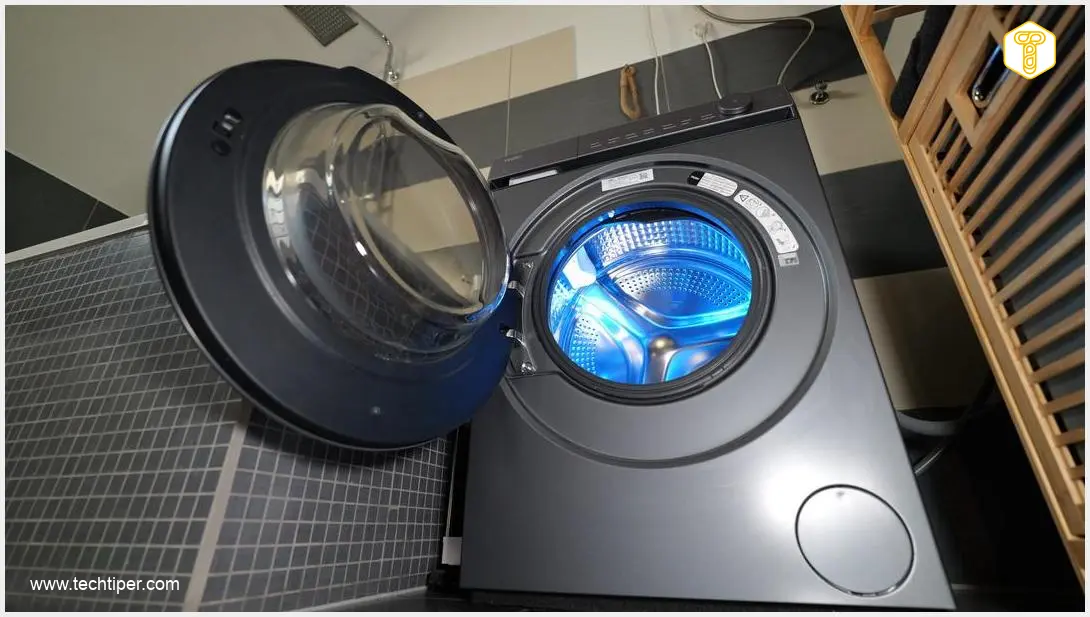
It’s a common habit: after finishing a load of laundry, many people swing open their washing machine door wide, believing it’s the best way to air out the drum and prevent unpleasant odors and mold growth. While the intention is good, this seemingly innocuous practice can actually do more harm than good to your appliance.
Contrary to popular belief, keeping your washing machine door fully open post-cycle can lead to both mechanical damage and significant hygiene issues. Understanding the intricate design of modern front-loading washers reveals why this habit is detrimental and how a simple adjustment can extend your machine’s lifespan and maintain its cleanliness.
The Mechanical Toll: Damaging Your Washer’s Integrity
Modern front-loading washing machines are engineered with precision, featuring a drum and door mechanism designed for optimal performance and durability. However, this delicate balance can be disrupted by improper post-wash habits.
Understanding Front-Loader Design
The door of a front-loading washing machine is a substantial component, typically composed of heavy glass, a robust plastic housing, and a complex locking system. It’s one of the heaviest parts of the appliance, carefully balanced to integrate seamlessly with the machine’s overall structure.
Stress on Hinges and Latches
When the washing machine door is left wide open, its significant weight places undue stress on the hinges and the internal metal mounts. This constant, prolonged tension can lead to a slow yet irreversible deformation of these crucial components. Even a slight deviation of a few millimeters can be enough to misalign the door, preventing the latch from properly engaging with its locking mechanism. When this happens, your machine might refuse to start any wash program, rendering it unusable until costly repairs are made.
Just as you might rethink kitchen appliances like the air fryer replacing microwaves, it’s crucial to rethink long-held habits for other household machines to ensure their longevity.
The Hygiene Hazard: Inviting Unwanted Contaminants
Beyond mechanical wear, an open washing machine drum acts as an unintended trap for airborne impurities, jeopardizing the cleanliness of your clothes and the machine itself.
The Open Door as a Magnet for Dirt
A completely exposed washing machine opening is an open invitation for environmental pollutants. Dust particles, seasonal pollen, and—especially in pet-owning households—animal dander can easily drift into the damp interior of the drum. These contaminants settle on the moist walls, and during the next wash cycle, they can transfer directly onto your freshly cleaned textiles. Over time, this accumulation of debris can also gradually clog the machine’s drain filters, leading to further maintenance issues and potentially reduced washing efficiency.
While some maintenance tips might sound outlandish, like some tech gadgets that seem like a joke but are real, this particular advice from appliance experts is firmly grounded in mechanical principles and hygiene.

Proper Washing Machine Ventilation: A Better Approach
Maintaining a hygienic and functional washing machine requires a nuanced approach to ventilation that respects its mechanical design.
Post-Wash Routine for Longevity and Cleanliness
Follow these steps to effectively air out your washing machine while protecting its components:
- Step 1: Wipe Down the Seal. After removing your damp laundry, thoroughly wipe dry the rubber gasket (door seal) and the area immediately inside it. This is where most residual water tends to collect, making it a prime spot for mold and mildew growth.
- Step 2: Slightly Ajar, Not Wide Open. Instead of leaving the door fully open, prop it ajar by just a few centimeters or inches. Do the same for the detergent drawer. This small gap is sufficient for air circulation.
- Step 3: Optimal Air Circulation. Leaving the door and drawer slightly open for at least fifteen minutes after each wash allows for optimal air circulation, effectively evaporating residual moisture without putting undue stress on the door hinges. This method prevents the buildup of dampness that leads to mold and odors, while also safeguarding the delicate mechanical components from long-term damage.
By adopting these simple yet effective habits, you can significantly extend the life of your washing machine, maintain its hygienic conditions, and ensure your laundry always comes out fresh and clean.
Frequently Asked Questions (FAQ)
Why do manufacturers recommend against leaving the door wide open?
Manufacturers advise against leaving the washing machine door wide open primarily due to the mechanical stress it places on the door’s hinges and locking mechanism. The door, being one of the heavier components, can deform its mounts over time, leading to misalignment and functional issues.
How does leaving the door wide open cause mechanical damage?
When the door of a front-loading washing machine is left wide open, its weight creates leverage that strains the metal hinges and mounts. Prolonged stress can cause these parts to slowly bend or deform, leading to the door not closing properly or the latch failing to engage, preventing the machine from starting.
What are the hygiene risks associated with an open washing machine door?
An open washing machine drum acts like a funnel for airborne contaminants such as dust, pollen, and pet hair. These particles can settle on the moist interior surfaces of the drum and gasket, transferring to clean clothes during subsequent washes and potentially clogging drain filters.
What is the best practice for ventilating a front-loading washing machine after use?
The best practice is to first wipe the rubber door seal and drum interior dry, then leave the door and detergent drawer slightly ajar—just a few centimeters or inches—for at least 15 minutes. This allows sufficient airflow to evaporate moisture without stressing the door’s components.
Will leaving my washing machine door open for a short time still cause damage?
While brief periods of an open door are less harmful than prolonged ones, consistent wide opening after every wash can accumulate stress over time. The key is to keep it slightly ajar for ventilation, rather than fully extended, to minimize mechanical strain on the hinges and maintain long-term integrity.
Source: kaipkada, self-developed. Opening photo: Krzysztof Wilamowski / Android.com.pl
About Post Author
