

Contents
The Surge of Chinese Electric Vehicles in Europe: A Market Transformation
The European automotive market is undergoing a significant transformation, driven by the rapid influx of Chinese electric vehicles (EVs). These models, often more affordably priced even after factoring in import tariffs, are increasingly challenging established European brands on their home turf. Analysts now estimate that a substantial portion—potentially one in three—of all EVs on European roads originate from China.
Europe’s Electromobility Challenge and China’s Strategic Lead
Electromobility is no longer a niche concept but a pivotal segment of the global automotive industry. This shift is compelling even the most traditional manufacturers to adapt their strategies. For instance, luxury carmaker Ferrari has recently announced plans for its first fully electric model, anticipated by 2025. This move highlights a broader trend: many European automotive giants appear to be playing catch-up in the electric vehicle race.
For over a decade, numerous Chinese automotive conglomerates have been dedicated to developing specialized EV technologies. When the European Union initially considered stringent regulations to phase out internal combustion engine (ICE) vehicles—a proposal to ban sales by 2035 which has since been softened to include e-fuels—it inadvertently created a fertile ground for Chinese brands to penetrate the European market.
Consequently, it’s no surprise that approximately 70% of Chinese vehicles sold in the EU are either fully electric or plug-in hybrids, according to data from the China Passenger Car Association.
The Growing Dominance of Chinese EVs on European Roads
Chinese EV manufacturers are demonstrating ambitious expansion plans. For example, two major Chinese groups, BYD and Leapmotor (the latter backed by Stellantis), are projected to deliver around 2.5 million vehicles to European markets, including Germany, Italy, France, and the UK, by 2025. This represents an astonishing 150% increase compared to their 2024 figures, as per analyses by JPMorgan, cited in the South China Morning Post (SCMP).
This growth means that roughly one in ten new cars sold across Western Europe features Chinese technology. In some countries, like Poland, this trend is even more pronounced, with one in six newly registered electric cars originating from China. Chinese models now command a significant 16% share of Poland’s national EV market, according to the Polish Association for New Mobility.
The rising sales of Chinese EVs align with the overall expansion of electric and plug-in hybrid vehicles in Europe. While the exact share can fluctuate, projections suggest that Chinese-made vehicles are set to constitute an even larger portion of this growing segment. For instance, JPMorgan forecasts that this year, over one-third (34%) of all electric and plug-in hybrid vehicles traversing European roads will be of Chinese origin. For seamless navigation and charging for your EV, consider exploring tools like Android Auto for EV route planning with Google Maps.
Chinese Premium EVs: The New Market Disruptor
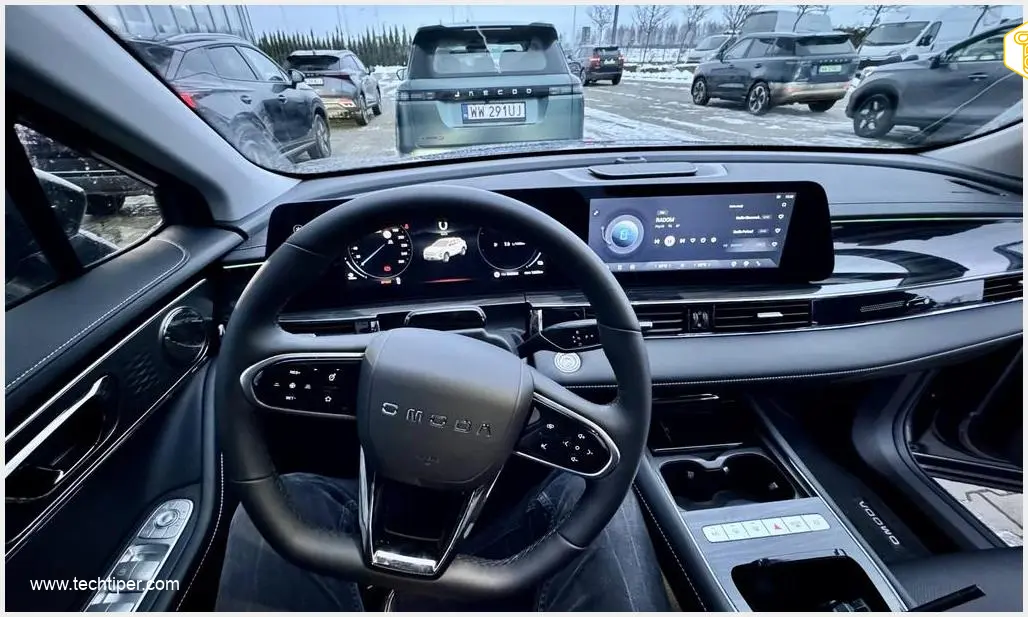
Chinese brands are strategically adapting their offerings to European consumer preferences. Many European buyers are seeking vehicles equipped with advanced features such as basic autonomous driving systems, sophisticated digital cockpits, and expansive infotainment screens, but without the premium price tag typically associated with Western luxury brands. Chinese manufacturers are keenly addressing this demand, particularly in the premium EV segment.
Their “intelligent cars”—which often incorporate cutting-edge software and connectivity—are proving highly attractive due to their competitive pricing. These Asian brands can offer feature-rich vehicles at prices often lower than the entry-level versions of their Western competitors.

JPMorgan predicts that by 2028, Chinese intelligent cars could capture up to a 20% share of the European market. As Chinese manufacturers rapidly divide an expanding share of Europe’s electromobility pie, the more conservative approach of some European giants, exemplified by Ferrari’s relatively later entry into the full EV market, raises questions about whether they might miss out on this transformative revolution. For efficient charging solutions for these advanced EVs, particularly in Europe, learning about advancements like BYD’s megawatt EV charging initiatives could be insightful.
Frequently Asked Questions (FAQ)
Why are Chinese electric vehicles gaining such significant traction in the European market?
Chinese electric vehicles are highly competitive due to their attractive pricing, often lower than comparable European models even with import tariffs. They also offer advanced technological features, including sophisticated infotainment systems and driver-assistance technologies, that appeal to European consumers seeking value and innovation.
What is the current and projected market share of Chinese EVs in Europe?
According to recent analyses, approximately 70% of all Chinese vehicles sold in the EU are electric or plug-in hybrids. Projections for the current year indicate that over one-third (34%) of all electric and plug-in hybrid vehicles on European roads could be of Chinese origin. This share is expected to grow, with Chinese intelligent cars potentially capturing up to 20% of the overall European market by 2028.
How are European automotive manufacturers responding to the growing dominance of Chinese EV brands?
European manufacturers are increasingly focusing on accelerating their own EV development and market strategies. While some, like Ferrari, are making commitments to introduce their first fully electric models, many are perceived to be behind the curve compared to Chinese brands that have specialized in EV technology for over a decade. The intensifying competition is pushing European carmakers to innovate faster, potentially leading to more competitive pricing and technologically advanced offerings in the future.
Source: Industry analysis and reports
Opening photo: Gemini
About Post Author
