

Contents
Revolutionary Tick Control: Wood Chips Drastically Reduce Populations by up to 99%
Ticks and the debilitating diseases they transmit, particularly Lyme disease, are becoming an escalating global concern, with infection rates steadily climbing year after year. As communities worldwide grapple with this growing public health threat, researchers from the University of Ottawa have unveiled a remarkably straightforward yet highly effective solution: a simple material commonly found on forest trails that can significantly curb the risk of encountering these dangerous arachnids.
The Growing Threat of Ticks and Lyme Disease
The prevalence of tick-borne illnesses has seen a noticeable surge in recent decades across various regions, including North America, Europe, and parts of Asia. This rise is often attributed to a combination of factors such as climate change, which expands tick habitats, and changes in natural environments that affect host animal populations. Lyme disease, caused by the bacterium Borrelia burgdorferi and transmitted by infected ticks, can lead to severe neurological, cardiac, and joint issues if left untreated, underscoring the urgent need for effective prevention and control strategies.
A Simple Solution from University of Ottawa Researchers
In response to the increasing challenge posed by ticks, scientists at the University of Ottawa embarked on a two-year field study. Their goal was to identify practical methods for reducing tick populations in high-traffic recreational areas. The experiment was meticulously conducted along popular walking paths within a vast greenbelt surrounding a major North American capital, providing a real-world setting for their innovative approach.
How Wood Chips Are Combatting Ticks on Trails
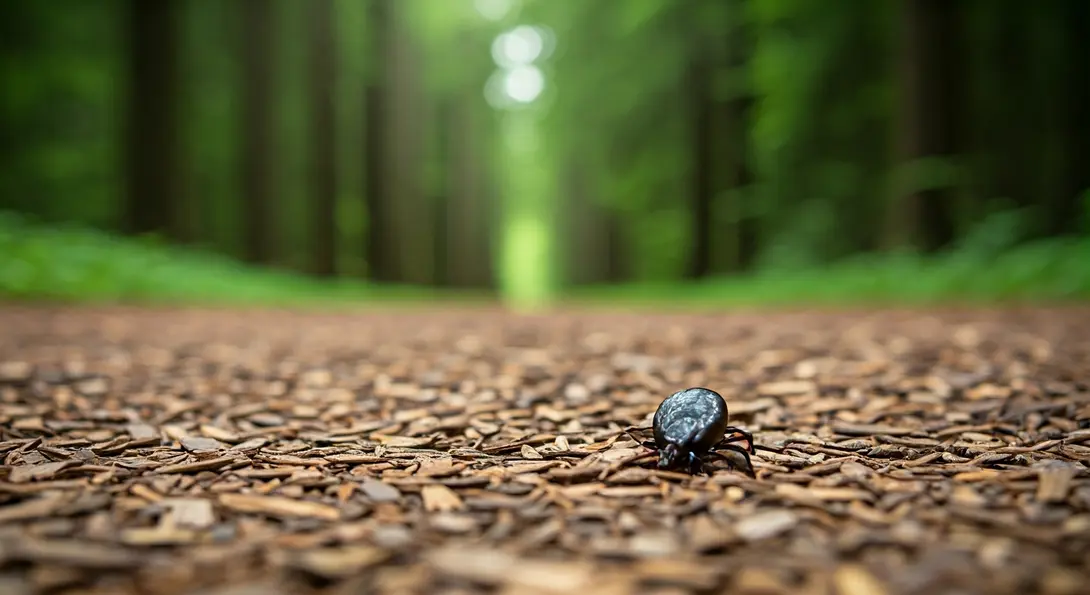
The study focused on evaluating the efficacy of wood chips spread along the edges of pedestrian trails. Researchers deployed two distinct types of protective barriers:
- Plain Wood Chips: Standard, untreated wood chips.
- Treated Wood Chips: Wood chips infused with an insecticide containing deltamethrin, a substance widely used in agriculture for controlling ticks and mites.
Both methods aimed to create an unfavorable environment for ticks, thereby reducing the number of these arachnids seeking hosts along the paths where human interaction is most common. This approach targets the critical interface where humans and ticks are most likely to come into contact during outdoor activities. For more insights into natural conservation efforts, consider reading about horseshoe crab conservation success stories, which highlight the delicate balance of ecosystems.
Remarkable Results: Up to 99% Reduction in Tick Numbers
The outcomes of the study were exceptionally promising. According to the data released by the university, the wood chips treated with the chemical agent demonstrated an astounding reduction in tick populations—up to 99%—over the two-season research period. Furthermore, even the natural, untreated wood chips delivered significant results, limiting the tick population by approximately 48%. These findings highlight a potent, accessible method for managing tick populations in recreational settings.
Why This Matters for Public Health
The primary objective of this research is to minimize human exposure to ticks during activities like walking, hiking, and other outdoor recreation. It is predominantly at the borders of trails and pathways that humans are most likely to encounter these parasites carrying Lyme disease. By creating effective barriers, this method offers a tangible way to enhance public safety and encourage outdoor activity without the heightened fear of tick bites.
The Interplay of Climate Change and Lyme Disease Spread
The incidence of Lyme disease in many parts of North America and other continents has seen a substantial increase in recent years. This phenomenon is partly driven by the expansion of habitats favorable to ticks, influenced by changing climate patterns, alterations in natural environments, and the migration of animal hosts that carry the parasites. For instance, in several densely populated regions, reported Lyme disease cases have escalated dramatically over the last decade, mirroring trends observed in other climatically suitable areas globally.
An Accessible and Sustainable Tick Management Strategy
The researchers emphasize that utilizing wood chips represents a relatively inexpensive and easily implementable strategy for safeguarding popular walking trails. Crucially, the material is biodegradable and can often be sourced from local tree felling or maintenance programs. This local sourcing further reduces the overall cost and environmental footprint of the initiative. This eco-friendly approach aligns with sustainable practices, encouraging us to consider the environmental impact of our daily choices, such as avoiding certain materials in our food containers to prevent microplastic contamination.

Frequently Asked Questions (FAQ)
What makes wood chips effective against ticks?
Wood chips create a physical barrier that ticks find difficult to traverse, especially dry, rough chips. For treated chips, the insecticide (like deltamethrin) acts as a repellent or kills ticks on contact, significantly reducing their presence in the immediate area.
Are treated wood chips safe for the environment and pets?
Deltamethrin, while effective against ticks, is an insecticide. Its environmental impact and safety for pets depend on the concentration and application method. Always follow product guidelines and consider local regulations. Natural wood chips offer an eco-friendlier alternative if chemical use is a concern.
Can this method be used in private gardens or yards?
Yes, this method can be adapted for private use. Spreading wood chips along the edges of property lines, around play areas, or near garden paths can help create tick-free zones, reducing the risk of exposure for families and pets in residential settings.
How frequently do wood chips need to be replaced for effective tick control?
The lifespan of wood chips for tick control can vary. Untreated chips may need refreshing annually or every other year as they decompose. Treated chips’ effectiveness depends on the insecticide’s residual action, which can last for several months to a year, requiring reapplication or replacement based on product specifications and environmental conditions.
This innovative research offers a beacon of hope in the ongoing battle against ticks and Lyme disease. By implementing such simple, sustainable, and highly effective methods, communities can create safer outdoor environments, allowing individuals to enjoy nature with greater peace of mind.
Source: University of Ottawa, Independent Research.
Opening photo: Gemini
About Post Author
