Contents
Android Flagships Embrace Square Selfie Sensors: A Feature Inspired by iPhone 17
The Android smartphone landscape is on the cusp of a significant camera innovation, reportedly taking cues from the upcoming iPhone 17 series. Leading flagship manufacturers, including Oppo and Honor, are rumored to integrate square-shaped front-facing camera sensors into their next-generation devices, promising a novel approach to smartphone photography.
Oppo Find X10 and Honor Magic9 with Square Sensors
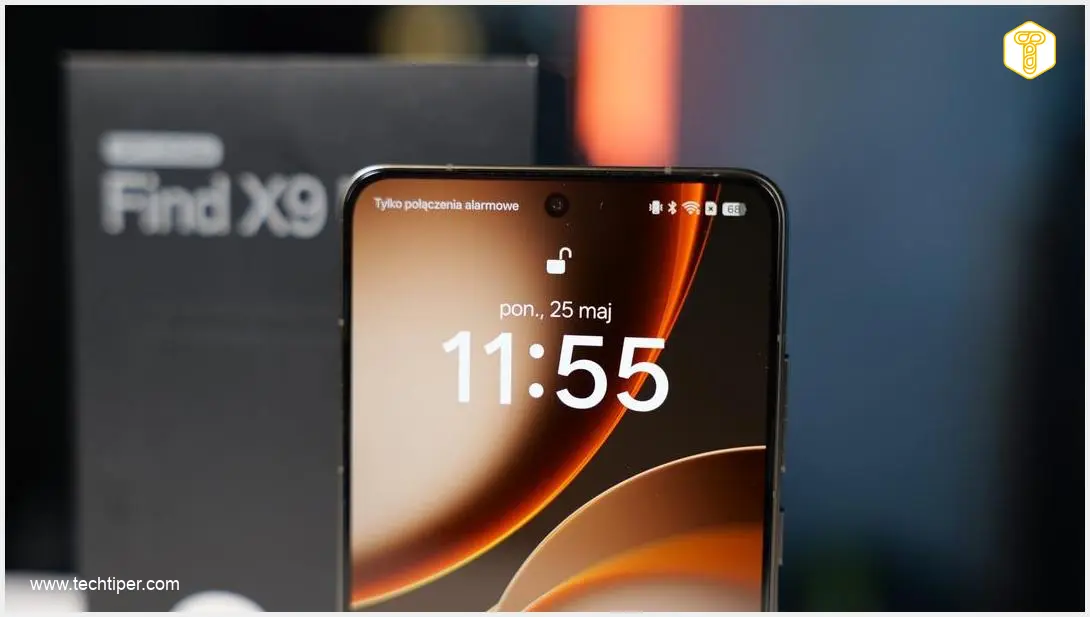
While the OPPO Find X9 Ultra proved to be a phenomenal smartphone, its front camera wasn’t its most celebrated feature. However, recent developments indicate a major shift. Whispers began circulating some time ago that tech giants like Huawei and OPPO were actively developing 100-megapixel square selfie sensors.
These rumors have gained considerable traction thanks to prominent leaker DigitalChatStation, who confirmed on the Chinese social media platform Weibo that an unconventional, square selfie sensor could indeed become a standard feature in future Android flagships. The informant revealed that the forthcoming Oppo Find X10 series is expected to incorporate a 100-megapixel selfie sensor developed by Samsung. This cutting-edge sensor will reportedly feature a 1/2.5-inch size and a unique 1:1 square aspect ratio.
Similarly, Honor is also experimenting with advanced camera technology for its Magic9 line. The company is testing an OVA0B sensor, measuring 1/1.8 inches. It’s understood that Honor plans to crop this component to achieve an identical 1:1 square aspect ratio, all while maintaining an impressive 100-megapixel resolution. This strategic move by both Oppo and Honor signals a strong industry trend towards optimizing the front-facing camera experience.
Square Sensors: A New Era for Smartphone Photography
The adoption of a square sensor, mirroring an anticipated feature in the iPhone 17 series, offers substantial advantages for users. This innovative design allows for consistent selfie framing, regardless of whether the smartphone is held in portrait or landscape orientation. This eliminates the need for users to constantly rotate their device to achieve the desired shot composition.
Beyond consistent framing, a 1:1 aspect ratio sensor provides a significantly wider field of view compared to traditional rectangular matrices. This means users can fit more people into group selfies or capture broader backgrounds without compromising image quality. The larger field of view enhances the versatility of the front camera, making it more functional for various social and creative photography scenarios.
Frequently Asked Questions (FAQ)
What are the primary benefits of a square selfie sensor?
The main benefits include consistent photo framing whether the phone is held horizontally or vertically, and a significantly wider field of view. This allows users to capture more people in group selfies or include more of their surroundings in the shot, enhancing overall versatility.

Will this square sensor technology be exclusive to Oppo and Honor, or will other brands adopt it?
While Oppo and Honor are among the first rumored to implement this, industry trends often see successful innovations adopted by other manufacturers. Given the potential advantages, it’s highly probable that other Android flagships will explore or integrate similar square sensor technology in their future devices, potentially setting a new standard for front cameras.
How does a 100-megapixel square sensor compare to traditional sensors in terms of image quality and processing?
A 100-megapixel resolution, combined with the new square format, promises incredibly detailed images. While the square format primarily affects composition and field of view, the high megapixel count ensures excellent clarity. Advanced image processing algorithms will likely be employed to optimize these large sensor outputs, potentially offering enhanced low-light performance and greater flexibility for cropping without significant loss of detail, even if the final output aspect ratio is different from 1:1.
Source: GSMArena, Original reporting. Opening photo: Krzysztof Wilamowski
About Post Author