

Contents
Even Without a Fan, Your Bedroom Can Stay Cool at Night: You Only Need One Simple Thing
As summer approaches, many of us brace ourselves for soaring temperatures. The immediate solution for most is often an electric fan, promising a modicum of relief from the sweltering heat. However, what if a surprisingly effective cooling method didn’t require any technology at all, but rather something as common as a… plain towel?
This article delves into ingenious, low-cost strategies to keep your home cool, focusing on natural methods that not only provide comfort but also contribute to energy savings. We’ll explore expert tips that prioritize both your well-being and your wallet.
Cooling Relief: An Affordable Solution
Every year, as the warmer months arrive, a universal question arises: how can we keep our homes cool without relying heavily on energy-intensive appliances? While many resort to electric fans, and some opt for mobile air conditioners or even full-fledged AC systems, there’s a simpler, more budget-friendly approach.
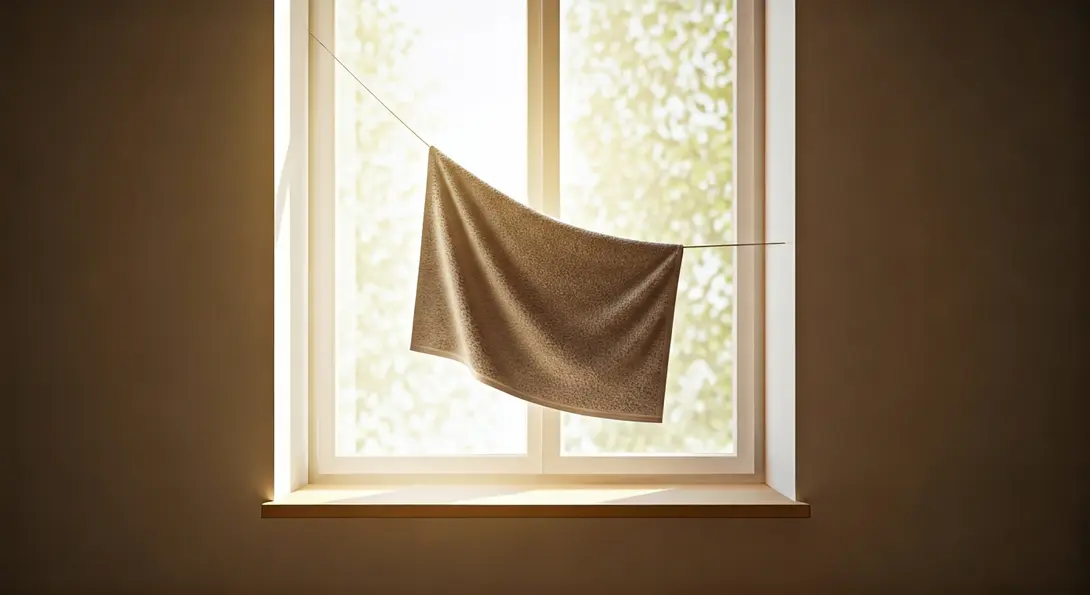
John Lawless, an expert from BestHeating, a company specializing in heating systems, shared a clever life hack that offers significant relief for very little cost. His suggestion is remarkably straightforward: take a regular towel, soak it in cold water, wring it out gently (ensuring it remains damp), and then place it strategically under an open window.
How the Damp Towel Trick Works
The science behind this method is quite simple and effective:
- The water evaporating from the damp towel absorbs heat from the surrounding air.
- As warm air from outside flows over the towel and into your room, it loses some of its heat to the evaporating water.
- This process allows cooler, more comfortable air to circulate indoors, creating a noticeable drop in temperature.
While this technique offers a refreshing breeze, it’s essential to remember a few key details to maximize its effectiveness:
- Moisture Level: The towel should be damp, not dripping wet. Excess water can create humidity without providing additional cooling benefits.
- Realistic Expectations: This method typically lowers the indoor temperature by a few degrees Celsius (a decent outcome for such a simple solution!). It’s not a replacement for air conditioning in extreme heat but offers significant comfort.
- Optimize Ventilation: Combine this trick with smart ventilation. Open windows on opposite sides of your home to create a cross-breeze. Consider airing out your rooms thoroughly in the early morning and late evening when outdoor temperatures are cooler.
- Block Sunlight: Utilize window blinds, curtains, or external shades during the hottest parts of the day to prevent direct sunlight from heating your interiors.
Beyond the Towel: Other Smart Cooling Strategies
The internet abounds with creative, non-technological ways to cool your home that won’t strain your finances. Many of these require minimal investment and can make a big difference in indoor comfort.
Thermal Insulation Film
One highly effective yet inexpensive option is thermal insulation film. Costing only a few dollars, this film can be applied to the exterior of your windows. By reflecting sunlight, it can reduce indoor temperatures by several degrees, making your home noticeably cooler.
For those looking to safeguard their digital comfort as much as their physical one, ensuring your data is protected is paramount. Learn more about robust data protection strategies by reading our guide on The 3-2-1 Backup Rule for Data Security.

Efficient Home Management
Beyond specific gadgets or tricks, general home management plays a crucial role in maintaining a comfortable indoor environment. Simple habits like turning off unnecessary lights and appliances, which generate heat, can contribute to a cooler space. For instance, did you know you can repurpose old tech for new uses? Discover How to Turn Your Old Phone into a Wi-Fi Hotspot Extender, an excellent way to get more utility from your devices while potentially reducing clutter and heat from newer, active electronics.
Frequently Asked Questions (FAQ)
While not as powerful as air conditioning, a damp towel can lower the room temperature by a few degrees Celsius. This modest but noticeable reduction can significantly improve comfort, especially during milder heatwaves or for sleeping at night.
Any standard towel will work, but a thinner towel might dry out faster, requiring more frequent re-wetting. A medium-weight cotton towel is generally effective as it holds enough water to evaporate for a decent period without being excessively bulky.
In very high humidity, this method might be less effective as the air is already saturated with moisture, slowing down evaporation. It could also slightly increase indoor humidity. It’s generally more effective in drier climates or when indoor humidity is not already excessive.
Ensure the towel is only damp, not soaking wet, to prevent dripping and potential water damage to surfaces. Also, make sure to dry the towel thoroughly after use to prevent mold or mildew growth, especially in enclosed spaces or humid conditions.
Source: NLC. Opening photo: freepik / Magnific
About Post Author
