

Contents
Illuminating Earth from Orbit: The Controversial Earendil-1 Satellite and the Future of Space
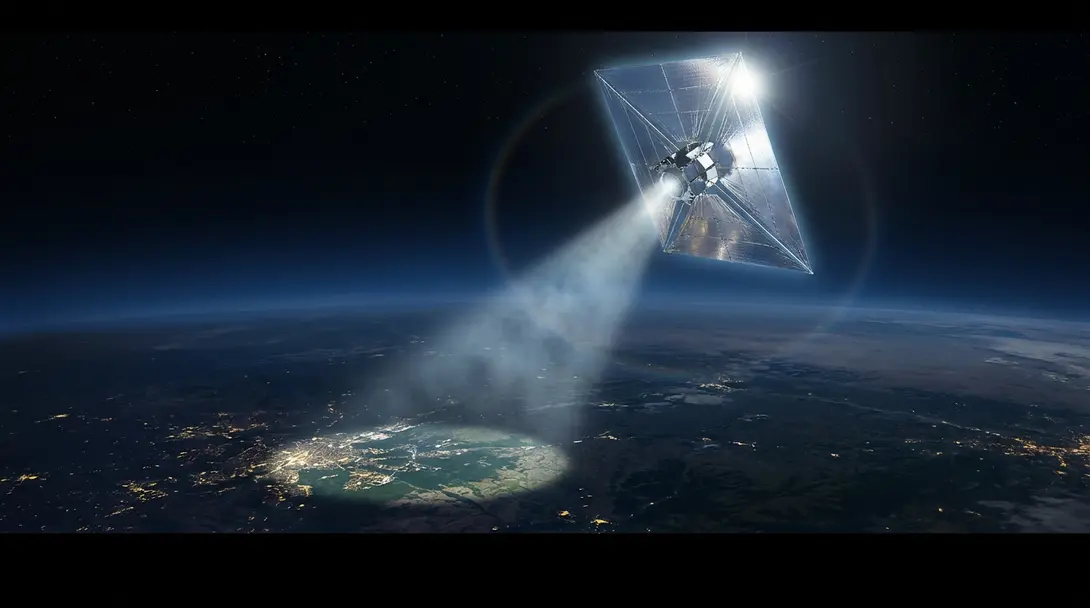
A decision was recently made to launch the Earendil-1 satellite into space. While satellite launches are common, what makes this one particularly noteworthy is its primary mission: to reflect solar rays, effectively providing “light on demand” to specific areas on Earth. This intriguing yet controversial project is just one example of several unconventional initiatives currently being considered by American entities, pushing the boundaries of what’s possible in Earth’s orbit.Earendil-1: Illuminating Earth on Demand
The US Federal Communications Commission (FCC) has given its approval to Reflect Orbital’s project, which proposes deploying the Earendil-1 satellite. The satellite’s core function will be to redirect sunlight to Earth, controlled by operators on the ground. This innovative approach aims to illuminate areas approximately five kilometers wide. However, such a task requires frequent adjustments, with the satellite’s orientation needing to be changed every four minutes. Despite the initial allure of on-demand illumination, the project has sparked considerable debate and controversy among experts and the public. Critics primarily raise concerns about potential flashes of reflected light. These intense flashes could pose a significant hazard, potentially hindering the work of professionals such as aircraft pilots, where clear visibility is paramount. Furthermore, there are serious ecological implications. The introduction of artificial light at night could disrupt the natural circadian rhythms of plants, animals, and other organisms, potentially impacting ecosystems and biodiversity. Astronomers also voice strong opposition, fearing that increased artificial light in the night sky will further exacerbate light pollution, making astronomical observation more challenging and obscuring views of natural celestial phenomena.The Expanding Frontier: Novel Space Projects and Their Implications
The Earendil-1 project is not an isolated case. The Federal Communications Commission has, in fact, published a document outlining several other equally fascinating and sometimes audacious proposals for extraterrestrial activities. These include:- **Orbital Advertisements:** Projects that aim to project advertisements onto the night sky using satellites or other reflective surfaces.
- **Artificial Meteor Showers:** Concepts to create controlled, artificial meteor displays for entertainment purposes.
- **Space Hospitality Infrastructure:** Plans for developing hotels or living facilities in orbit, catering to space tourism.
- **Cosmic Burials:** Services offering the interment of remains in space, either in orbit or beyond.
Navigating Regulatory Challenges: The Case of SpaceX
Coincidentally, at the same time the FCC authorized the controversial Earendil-1 tests, it also approved another contentious application, this one from SpaceX. The approval pertains to SpaceX’s request to operate over a million satellites, despite concerns regarding incomplete documentation. This decision has fueled discussions about the regulatory frameworks governing the deployment of large satellite constellations and the potential for increased orbital congestion and interference. The rapid expansion of private space ventures, often spearheaded by visionaries like Elon Musk, who is also known for his ambitious projects including the Terafab semiconductor factory in Texas focusing on AI and robotics, necessitates careful regulatory oversight to ensure the sustainable and safe use of space. More on Elon Musk’s Terafab Semiconductor Factory in Texas and its role in AI and robotics can provide context on the scale of innovation driving these space initiatives.Safeguarding Space: FCC’s Efforts to Combat Orbital Debris
Amidst the influx of new space projects, the FCC has also been proactively addressing the critical issue of space debris. Several years ago, the FCC initiated plans to clear space of accumulating junk, leading to significant regulatory changes. Regulations adopted in 2022 formally came into effect in September 2024, marking a crucial step towards sustainable space operations. These regulations introduce a stringent new requirement: satellites launched into space must now exit their orbit a maximum of five years after their mission concludes. This represents a substantial reduction from the previous guideline, which allowed for up to 25 years. The aim is to significantly reduce the amount of time defunct satellites contribute to orbital debris, minimizing collision risks. Companies failing to comply with these FCC mandates will face penalties, including financial sanctions, underscoring the seriousness of these new environmental stewardship rules for Earth’s orbit. Ultimately, the decisions made by regulatory bodies like the FCC underscore the delicate balance between fostering innovation in space exploration and ensuring the long-term sustainability and safety of Earth’s orbital environment. As humanity continues to reach for the stars, responsible governance remains paramount.Frequently Asked Questions (FAQ)
The main concerns revolve around potential light pollution, which could hinder astronomical observations and disrupt the natural circadian rhythms of wildlife. There are also safety concerns regarding intense flashes of reflected light, which could momentarily blind or disorient aircraft pilots.
Under the new regulations, effective September 2024, satellite operators are required to deorbit their satellites within five years of mission completion, a significant reduction from the previous 25-year guideline. Non-compliance can result in substantial financial penalties, emphasizing the push for more responsible space waste management.
Beyond the Earendil-1, the FCC has reviewed proposals for various ambitious projects, including orbital advertising, the creation of artificial meteor showers for entertainment, the development of space-based hotel infrastructure for tourism, and even cosmic burial services. These indicate a growing trend of diverse commercial and exploratory ventures in space.
About Post Author
