

Contents
BMW and Toyota Test Renewable Gasoline as an EV Alternative
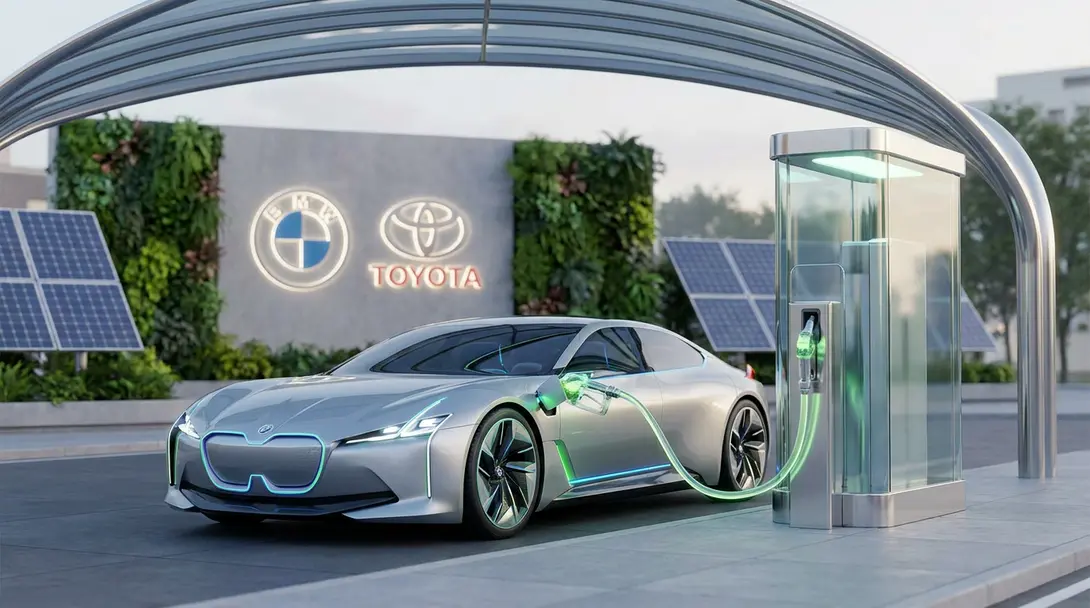
Two automotive titans, BMW and Toyota, have recently commenced a multi-month testing phase for a groundbreaking new type of fuel: renewable gasoline. This innovative fuel is being explored as a potential alternative to electric vehicle (EV) powertrains, offering a solution that could be crucial for the automotive sector’s future, largely due to its exceptionally low CO₂ emissions.
What is Nexa 95 and Its Potential Impact on Motoring?
Known as Nexa 95, this renewable gasoline was developed by the energy company Repsol. It holds the promise of becoming a primary fuel source for our vehicles in the future. To rigorously assess its performance and viability, the Spanish firm has partnered with Bosch and the two aforementioned automotive industry leaders, BMW and Toyota.
Collaborative Testing in Spain
These key players initiated testing recently, which will span the next six months across various locations in Spain. During this period, Nexa 95 will power a fleet of 20 passenger cars, allowing for extensive real-world data collection and analysis. This renewable fuel has the potential to be a game-changer, as preliminary reports suggest it could reduce CO₂ emissions by more than 70% compared to traditional fossil fuels.
Renewable vs. Synthetic Fuels
Discussions online have drawn comparisons between Nexa 95 and so-called e-fuels, which are synthetic creations. However, Nexa 95 stands apart from this category. Its distinguishing feature is the presence of organic waste in its composition, which classifies it as a renewable fuel rather than a purely synthetic one.
The emergence of renewable fuels like Nexa 95 could present a compelling alternative to electric vehicles, particularly significant in light of evolving regulations. For instance, the European Union’s anticipated ban on the sale of new internal combustion engine (ICE) vehicles from 2035 has seen recent adjustments. These revised regulations might permit the continued sale of ICE vehicles beyond 2035, provided they utilize low-carbon steel in their manufacturing or, crucially, run on sustainable fuels. This development highlights the importance of innovations like Nexa 95 in shaping the automotive landscape. For more insights into alternative vehicle technologies, consider reading about the challenges in selling hydrogen cars: A Norwegian Couple Struggles to Sell Their Hydrogen Car.
Frequently Asked Questions (FAQ)
Nexa 95 is a renewable gasoline developed by Repsol. Unlike traditional fossil-based gasoline, Nexa 95 is derived from organic waste, making it a sustainable alternative. This composition also differentiates it from synthetic e-fuels, which are produced through chemical processes without necessarily using organic waste.
According to initial announcements, Nexa 95 has the potential to reduce CO₂ emissions by over 70% compared to conventional gasoline. This significant reduction stems from its renewable source, which minimizes the net carbon released into the atmosphere throughout its lifecycle.
The involvement of BMW and Toyota, two global automotive powerhouses, lends significant credibility and resources to the testing of Nexa 95. Their participation indicates a serious exploration of renewable fuels as a viable long-term solution, potentially influencing future industry standards and consumer adoption.
Yes, it is a strong possibility. The European Union, for example, has indicated that while new combustion engine car sales might be banned from 2035, vehicles running on sustainable or renewable fuels could be exempt. This creates a pathway for internal combustion engines to remain relevant in a decarbonized future, provided they use such eco-friendly alternatives.

Renewable gasoline offers advantages such as maintaining the existing refueling infrastructure and familiar driving experience, potentially making the transition to lower-emission transport smoother for consumers. It also addresses concerns about battery production’s environmental impact and the range anxiety sometimes associated with EVs, while still offering significant CO2 reductions.
Source: InsideEVs. Opening photo: Anton Pentegov / Adobe Stock, BMW press materials, custom montage.
About Post Author
