Contents
Digital Detox on Vacation: A Modern Myth?
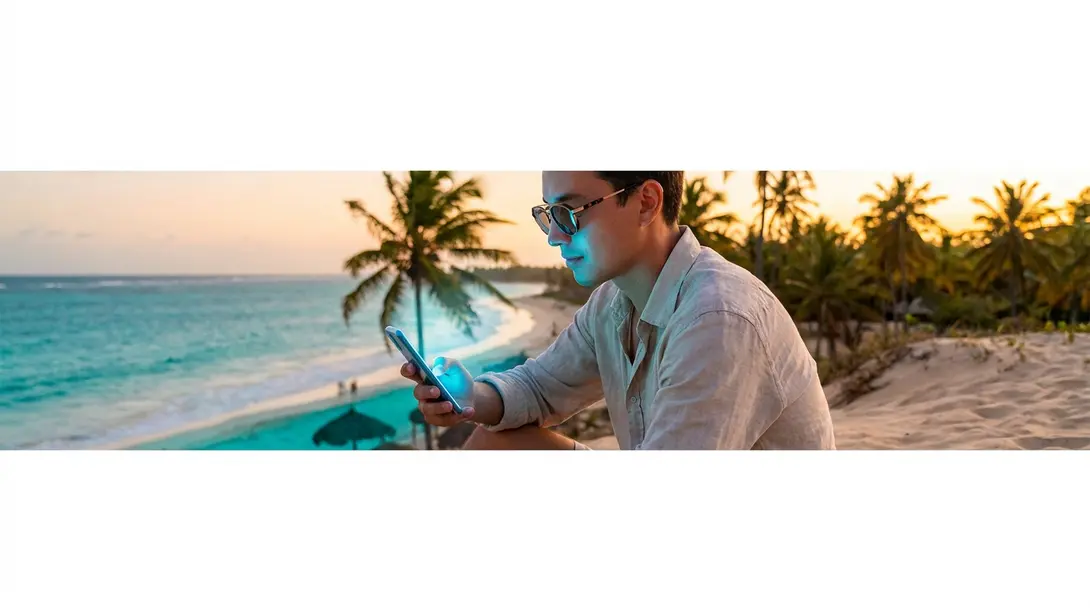
The smartphone has undeniably become the central orchestrator of modern vacations. From inspiring destination choices influenced by social media trends and pop culture to dictating daily schedules driven by notifications, friends’ updates, and the pervasive fear of missing out (FOMO), our devices are more integrated into our travel experiences than ever before. Despite a growing discourse around digital detox, a significant number of holidaymakers still spend several hours daily glued to their screens. Increasingly, technology, instead of merely aiding travel, often fuels FOMO and encourages excessive spending.
The Smartphone: Your Vacation’s Command Center
A recent international study highlights that a true vacation without a smartphone is now almost a fantasy. The findings reveal a compelling trend:
- Significant Screen Time: Over a third of travelers (37%) spend 1-3 hours per day on their screens during their holidays.
- Extended Usage: Another 34% dedicate 3-5 hours, with a concerning 20% admitting they don’t monitor their screen time at all.
- Youth Engagement: These habits are even more pronounced among younger demographics. Previous analyses indicate that individuals aged 18-24 frequently use smartphones for 3 to 6 hours daily, underscoring a strong attachment to mobile devices even away from home.
On vacation, the smartphone plays a multifaceted role. It serves as your camera, navigation system, digital wallet, entertainment hub, and primary communication channel. However, this convenience comes with a trade-off: it also acts as a relentless source of stimuli that are incredibly difficult to disengage from. The more frequently we reach for our phones, especially for social media, the higher the risk of compulsive usage and exacerbating the anxiety of “falling out of the loop.” Understanding how to manage this can significantly improve your travel experience. For tips on reducing phone usage, read our guide on how I reduced phone usage digital detox.
Navigating FOMO on Your Holiday
The “Fear Of Missing Out” (FOMO) is a palpable presence during vacation for many. The study found varied experiences:
- Occasional FOMO: 31% of respondents report experiencing FOMO rarely, primarily triggered by observing friends’ activities online.
- Pressure to Maximize: 24% frequently feel pressure to “get everything out of their vacation,” driven by a desire not to miss potential experiences.
- Experience-Driven Trips: A dedicated 17% organize their entire trip around specific events and attractions they absolutely don’t want to miss, often influenced by online trends.
- FOMO-Free Travelers: Interestingly, 28% of surveyed individuals claim not to experience FOMO, suggesting a diverse range of responses to digital influences during holidays.
A higher propensity for FOMO is often correlated with increased smartphone usage and a stronger influence of social media platforms on daily life and productivity. Research into young users consistently identifies FOMO as a primary driver for excessive online engagement. On vacation, this translates into constantly checking social media stories, seeking out deals, reading reviews, and looking for new travel inspirations, often detracting from present experiences. For a deeper dive into managing online presence, consider exploring the psychology of social media lurkers conscious choices for digital well-being.
Pop Culture and Influencers: The Modern Travel Agency
The influence of popular culture and social media personalities on travel decisions is undeniable. A recent report indicates that:
- Inspiration from Media: 36% of travelers are frequently inspired by pop culture and social media when choosing holiday destinations.
- Direct Impact: A further 24% have made travel choices based on these influences at least once or twice.
Pop cultural imagery, such as breathtaking scenes from movies or TV shows, and influencer recommendations often transcend mere inspiration, becoming direct purchasing motivators within booking applications and attraction discovery platforms. However, there’s also a counter-trend:
- Avoiding Crowds: 21% of travelers consciously steer clear of “trendy” locations to avoid overcrowding.
- Seeking Unique Experiences: 19% opt for less obvious destinations, demonstrating a desire to balance digital trends with their personal preferences for more authentic or serene travel experiences.
Frequently Asked Questions (FAQ)
While appealing, a complete digital detox is becoming increasingly challenging for many. Modern smartphones serve multiple essential functions during travel, including navigation, communication, and financial transactions. Research suggests a significant number of travelers spend several hours daily on their devices, indicating that for many, a complete disconnection is not a current reality or preference.
FOMO (Fear Of Missing Out) on vacation can lead travelers to constantly check social media, seek out every “must-see” attraction, and feel pressured to “maximize” their trip based on what others are doing or sharing. This constant seeking and comparing can detract from genuine, present-moment enjoyment and lead to feelings of anxiety or dissatisfaction if expectations are not met.

Social media influencers and pop culture significantly impact travel planning by showcasing destinations and experiences, thereby inspiring followers to visit similar locations. This influence often extends beyond mere inspiration, directly motivating booking decisions for specific attractions or accommodations seen online. However, it also leads some travelers to seek out less-crowded, off-the-beaten-path alternatives.
Managing smartphone usage during vacation involves setting intentional boundaries. This could include dedicating specific times for checking social media, utilizing “do not disturb” modes, or consciously leaving your phone behind during certain activities. The goal is to use your device as a tool for convenience (e.g., navigation, photos) rather than allowing it to become a constant source of distraction and comparison, ensuring you remain present and fully enjoy your travel experience.
Source: A recent international study, Various media reports
Opening photo: Gemini
About Post Author