Contents
Android Auto’s Speedometer Feature: Years Behind Waze, Google’s Puzzling Strategy
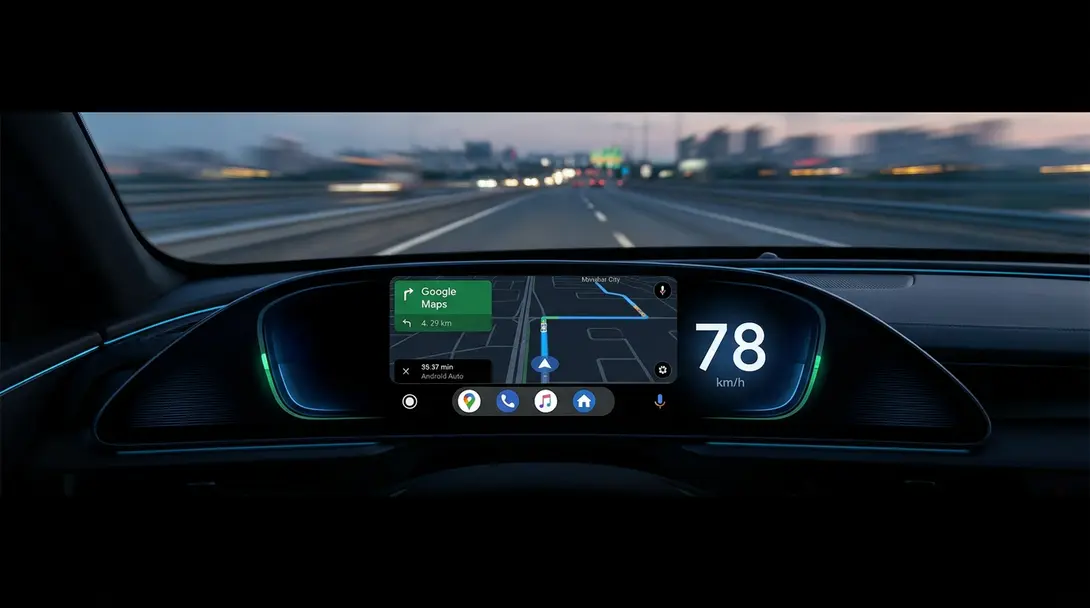
In recent days, there’s been considerable discussion surrounding the addition of a speedometer to Google Maps within Android Auto. While this feature seems like an absolute fundamental for any navigation application, it only started rolling out in early 2026, and even then, not to all users immediately. This situation is particularly surprising given that other Google navigation solutions have offered a similar option for quite some time.
A Core Feature, Years in the Making
The long-anticipated rollout of a speedometer in Google Maps for Android Auto finally commenced in late July 2023. With this update, the Mountain View-based company expanded the availability of a feature that has been present on smartphones for a while. This launch was part of an update identified by serial number 17.3.
Following its installation, the speedometer option was first noticed by a Canadian user in Google Maps version 26.29.02.946673643. It’s important to note that this was initially a beta release, indicating a phased and cautious deployment.
Why the Delay? Google’s Inconsistent Approach
The remarkably late implementation of this feature is baffling for at least two key reasons:
- Mobile Maps Precedent: A speedometer has been a standard offering in the mobile version of Google Maps for an extended period, making its absence in Android Auto perplexing.
- Waze’s Long-Standing Feature: Waze, another navigation application owned by Google, has provided a similar real-time speed display for years. The omission of this basic functionality in Google Maps for Android Auto was therefore even more difficult to comprehend, highlighting a strange divergence in product strategy.
Users often rely on speedometers within navigation apps for various reasons, including staying within legal speed limits, particularly in unfamiliar areas, and for general awareness. The lack of this critical visual cue forced many to switch between apps or rely on their vehicle’s built-in speedometer, which can be inconvenient.
For those interested in how Google integrates its various AI and automotive technologies, exploring topics like ChatGPT, Apple CarPlay, Android Auto, and Gemini integration can provide further context on the company’s broader development strategy.
Navigating Beyond Google: Exploring Alternatives
While Google Maps remains a dominant force, many users look for alternative navigation solutions that offer features they deem essential. For instance, some applications excel in areas like electric vehicle route planning, a feature increasingly integrated into platforms like Android Auto for EV users.
One popular alternative to Google’s navigation solutions, particularly in certain European regions, is Yanosik. This application, also available on Android Auto, has long featured a built-in speedometer alongside its primary function of warning users about road hazards.
Yanosik actively informs drivers about speed camera locations and police checks, a functionality that complements its speed display. Over the years, questions have arisen regarding the legality of such software. It’s crucial to clarify that Yanosik is not considered a device that interferes with speed measurement systems; therefore, its use is entirely legal. Moreover, the application has even collaborated with local law enforcement agencies on road safety campaigns in the past.

The Future of Navigation in Android Auto
The delayed rollout of a speedometer in Google Maps for Android Auto underscores the dynamic and sometimes unpredictable nature of software development, even for major tech companies. While the feature is a welcome addition, its belated arrival highlights a need for more consistent feature parity across Google’s own ecosystem and in comparison to its competitors. As navigation apps continue to evolve, user expectations for comprehensive and intuitive tools will only grow, pushing developers to prioritize fundamental safety and convenience features.
Frequently Asked Questions (FAQ)
The exact reasons are not publicly detailed by Google. However, it’s speculated that development priorities, integration complexities within the Android Auto framework, or a phased rollout strategy might have contributed to the significant delay, especially given that the feature was already present in mobile Google Maps and Waze.
When it first launched in late July 2023, the speedometer feature was part of a beta rollout (version 17.3 of Google Maps, seen in Android Auto version 26.29.02.946673643) and was not immediately available to all users. Google typically deploys new features gradually, so availability may vary depending on region, app version, and device.
Yes, several other navigation applications available for Android Auto have included a speedometer feature for a considerable time. Waze, also owned by Google, is a prominent example. Additionally, regional alternatives like Yanosik in some European countries offer this functionality alongside other road hazard warnings.
A speedometer within a navigation app provides several benefits. It helps drivers easily monitor their current speed relative to the legal limit, especially in unfamiliar areas. This can aid in preventing speeding tickets and promote safer driving. It also reduces the need to constantly look down at the vehicle’s dashboard speedometer, keeping the driver’s eyes closer to the road ahead.
Source: Self-developed content.
Opening photo: Gemini
About Post Author