

Contents

Decoding the Butterfly Symbol: Your Essential Guide to Delicate Laundry Care
Modern washing machines often feature a variety of symbols on their control panels, which can sometimes be more confusing than helpful. While pictograms for common cycles like cottons or synthetics are generally recognizable, one symbol that frequently sparks uncertainty is the butterfly. Many users are unsure which fabrics this cycle is designed for, or how to use it correctly without damaging their cherished garments.

What the Butterfly Symbol Signifies on Your Washing Machine
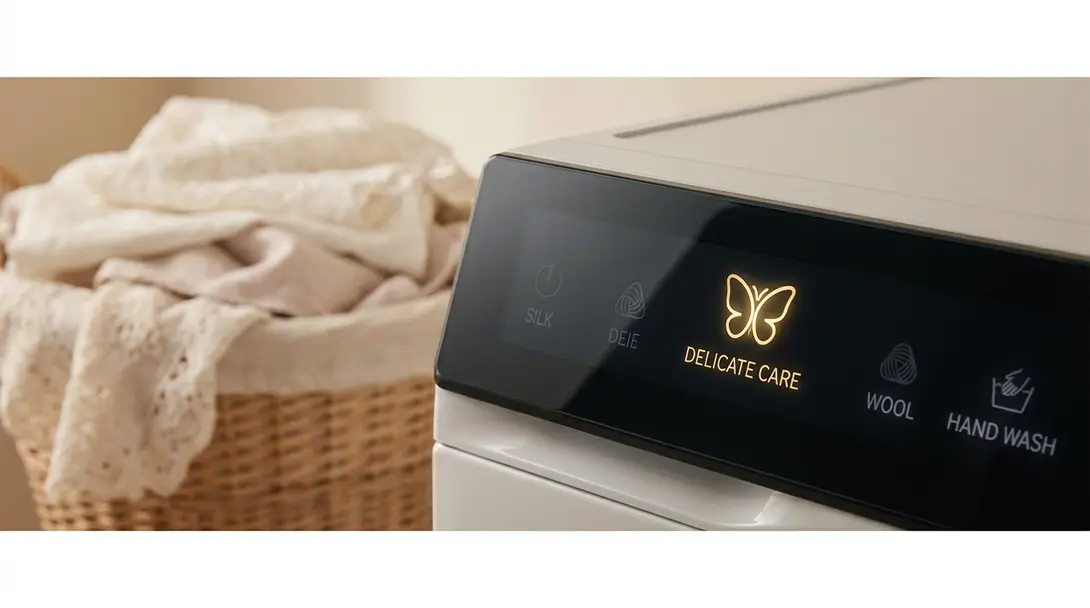
The butterfly symbol on a washing machine typically indicates a program specifically designed for silk or other exceptionally delicate materials. This includes items such as fine lingerie, lace, viscose, and satin. Depending on the brand and model of your appliance, this cycle might also be labeled as “Delicate,” “Hand Wash,” or simply “Silk.”
When you select this program, the washing machine employs a lower water temperature and significantly reduces the spin speed. This gentle approach minimizes stress on the fabric, greatly reducing the risk of stretching, snagging, pilling, and the formation of permanent creases. The result is better-preserved clothing that maintains its shape and texture for longer.
Essential Considerations Before Using the Delicate Cycle
Always Check Garment Care Labels
Before placing any item into the washing machine, it is paramount to consult its care label. Not all delicate fabrics are suitable for machine washing. If you see a symbol of a crossed-out basin, it means the garment should not be washed in water at all and may require dry cleaning or hand washing. The delicate cycle is best reserved for items explicitly marked as machine-washable or “delicate wash” on their labels.
Proper Laundry Sorting is Crucial
Even when using a delicate cycle, proper sorting of your laundry is vital. Never wash delicate items like a silk blouse with heavy-duty garments such as jeans, towels, or items with metal zippers, hooks, or Velcro closures. The abrasive texture of rougher fabrics or the hard edges of metal fasteners can easily snag, tear, or damage delicate materials, even when the washing machine operates gently.
Avoid Overloading the Washing Machine Drum
Delicate wash programs are typically designed for significantly smaller loads compared to standard cotton cycles. It is crucial not to overload the drum. Garments need ample space to move freely within the water during the wash cycle. If clothes are crammed into an overfilled machine, they will rub against each other more intensely, negating the very purpose of a gentle wash and potentially causing damage. The permissible load size for delicate cycles varies by machine model, but it's common for the drum to be filled to only one-third of its capacity for these specialized programs.
Best Practices for Washing Delicates with the Butterfly Program
To ensure the best care for your delicate items, follow these guidelines:
- Verify Care Labels: Always double-check every garment's care instructions before washing.
- Prepare Garments: Fasten all zippers, hooks, and buttons to prevent them from snagging other items. Turn delicate items, especially those with embellishments or prints, inside out to protect their surface.
- Utilize Mesh Laundry Bags: For extra protection, place fragile items like bras, hosiery, and garments with delicate lace or beads into mesh laundry bags. These bags create a barrier against friction and tangling.
- Use Appropriate Detergent: Opt for a mild, pH-neutral detergent specifically formulated for silk or delicate fabrics. Use only a small amount, as excessive detergent can be difficult to rinse out and may leave residue.
- Adjust Settings (If Manual): If your washing machine does not automatically set these parameters for the delicate cycle, manually select the lowest possible water temperature (cold water is often ideal) and the gentlest spin speed available.
Maximizing the Lifespan of Your Delicate Garments
The butterfly symbol program is an invaluable tool for extending the life and maintaining the quality of your delicate clothing. However, its effectiveness relies entirely on correct usage. Simply selecting the gentle cycle isn't enough; proper preparation, meticulous sorting, and careful loading of the washing machine are equally critical to protect your fabrics from damage.
Related Articles
- How High Should You Mount Your TV? Here's What You Need to Know
- The Rise of the Air Fryer: Replacing Microwaves and Ovens?
Frequently Asked Questions (FAQ)
No, not all silk items are suitable for machine washing. Always check the care label on your silk garment. If it shows a crossed-out basin symbol, it indicates that the item should not be machine washed and likely requires hand washing or dry cleaning. The butterfly program is ideal for machine-washable silks and other delicates.
Overloading the machine for delicate cycles can lead to excessive friction between garments, even with a gentle wash motion. This friction can cause stretching, pilling, snagging, and damage to fragile fabrics, negating the benefits of the delicate program. Delicates need ample space to move freely in the water.
Yes, it is highly recommended to use a mild, pH-neutral detergent specifically designed for delicate fabrics, such as silk or wool. These detergents are gentler on fibers and help preserve the integrity and softness of your garments. Avoid harsh conventional detergents, which can strip natural fibers or damage delicate dyes.
Mesh laundry bags provide an additional layer of protection for very delicate items like bras, hosiery, lace, or garments with embellishments. They prevent items from snagging on each other, tangling, or getting damaged by other clothes or the washing machine drum during the cycle.
Source: Gemini. Opening photo: Gemini
About Post Author
