Contents
Galaxy Z Fold8: The Crease That Wouldn’t Disappear
One of Samsung’s latest foldable smartphones, the Galaxy Z Fold8, was heralded for bringing significant improvements, particularly concerning the visibility of its screen crease. However, despite the manufacturer’s assurances that the crease would be “almost invisible,” reality painted a different picture, leaving many users disappointed.
The Promise vs. Reality: Galaxy Z Fold8’s Crease Conundrum
At the highly anticipated Samsung Galaxy Unpacked event in late July, three new foldable smartphones were unveiled, with the Galaxy Z Fold8 taking center stage. Samsung heavily promoted its display technology, including innovations like “Flex Titanium,” claiming it would make the screen almost entirely resistant to visible creases. This promise was a key selling point, aiming to address one of the most common criticisms of previous foldable generations.
Unfortunately, early adopters and tech enthusiasts quickly found that the reality converged significantly from Samsung’s marketing. Social media platforms became a hub for users sharing images and videos of their new devices, showcasing a prominent screen crease that contradicted the “almost invisible” claim.
User Outcry: Social Media Evidence Surfaces
The discrepancy between Samsung’s promises and the actual product was swiftly highlighted by the online community. Numerous users began posting photos of their newly acquired Galaxy Z Fold8 devices, illustrating the noticeable fold in the display.
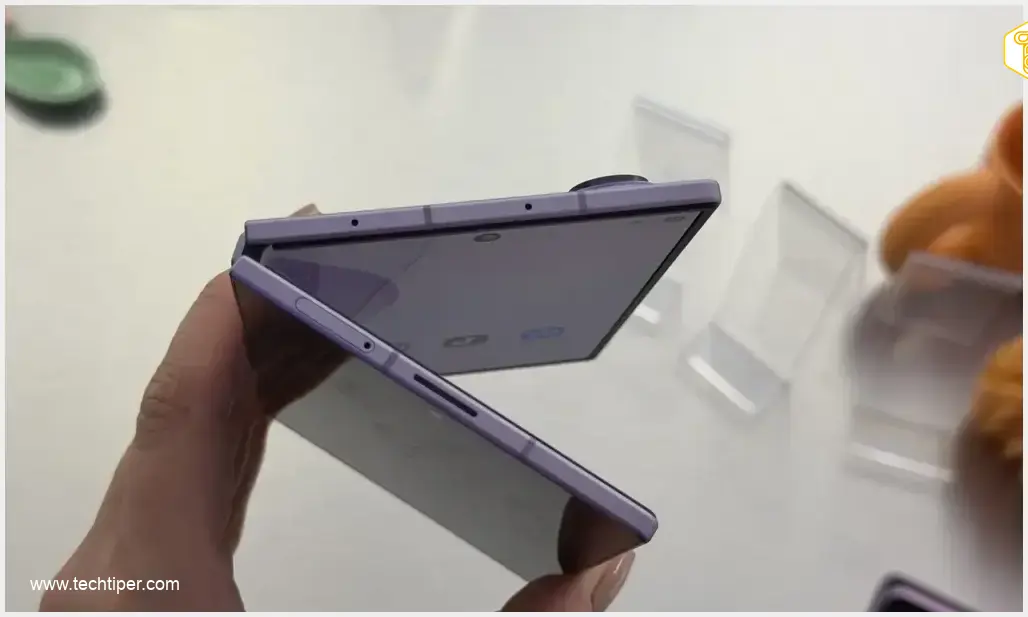
A notable example came from a popular tech influencer, who documented the appearance of their Galaxy Z Fold8. They shared two comparative photos: one taken immediately after unboxing the device, and another after just a few days of usage. Both images clearly depicted a distinct crease, challenging the notion of a rapidly disappearing or minimal fold. While some initially speculated that unfavorable lighting conditions might be exaggerating the issue, the influencer confirmed that both photos were taken under identical lighting, strongly suggesting a fundamental technical concern rather than an environmental artifact.
Beyond Aesthetics: Long-Term Implications
The persistence of the screen crease raises important questions beyond mere aesthetics. While its immediate impact on functionality might be minimal, concerns linger regarding its long-term effects on the display’s durability and user experience. A visible crease could potentially accumulate dust or wear down faster in that specific area, affecting the overall lifespan of the device.
This situation has undoubtedly cast a shadow on Samsung’s reputation within a segment of the tech community. For a company that positions itself at the forefront of foldable technology, such a prominent design flaw can erode consumer trust and influence future purchasing decisions.
Navigating the Foldable Phone Market
Despite these challenges, foldable smartphones have experienced a surge in popularity in recent years. Their innovative form factor and versatility continue to attract a growing number of users who are intrigued by the prospect of a device that combines the portability of a phone with the expansive screen of a tablet.
However, due to their unique construction and often premium price point, foldable phones are not a one-size-fits-all solution. Prospective buyers need to carefully consider several factors before committing to such an investment.

Deciding on a Foldable: Key Considerations
Before purchasing a foldable smartphone, it’s crucial to ask yourself some important questions to ensure it aligns with your needs and expectations:
- Budget: Are you prepared for the typically higher cost associated with cutting-edge foldable technology?
- Durability Concerns: Are you comfortable with the current state of foldable screen durability, including the potential for visible creases or increased susceptibility to damage compared to traditional smartphones? You can learn more about crease-free foldable smartphone technology and ongoing advancements.
- Usage Habits: How do you plan to use the device? Will the larger screen be beneficial for your daily tasks, or is the folded form factor more important for portability?
- Software Optimization: Is the operating system and your frequently used apps well-optimized for the unique screen sizes and multitasking capabilities of a foldable?
- Future Developments: Are you willing to embrace a technology that is still evolving rapidly, or would you prefer to wait for more mature and refined versions? For those interested in upcoming developments or comparing the latest leaks, exploring Galaxy Z Fold8 specifications leaks can provide valuable insights.
By thoroughly evaluating these points, you can make a more informed decision about whether a foldable smartphone, with its current advantages and limitations, is the right choice for you.
Frequently Asked Questions (FAQ)
The primary issue reported by users is the prominent and persistent screen crease on the Galaxy Z Fold8’s display, contrary to Samsung’s claims of an “almost invisible” crease achieved with technologies like “Flex Titanium.”
While the immediate impact on basic functionality may be minimal, a noticeable crease can affect the aesthetic experience, potentially impact long-term screen durability, and raise concerns about dirt or wear accumulation in the folded area.
Foldable smartphones offer unique benefits like a larger screen in a portable form factor. If you value innovation and the versatility of a foldable device, and are aware of the current trade-offs like potential screen creases and higher costs, they can still be a worthwhile investment. It’s recommended to research the latest models and user reviews thoroughly.
Source: Android Authority. Opening photo: Jolanta Szczepaniak
About Post Author