

Contents
Samsung’s New Wearable: Longer Battery Life Without Wear OS
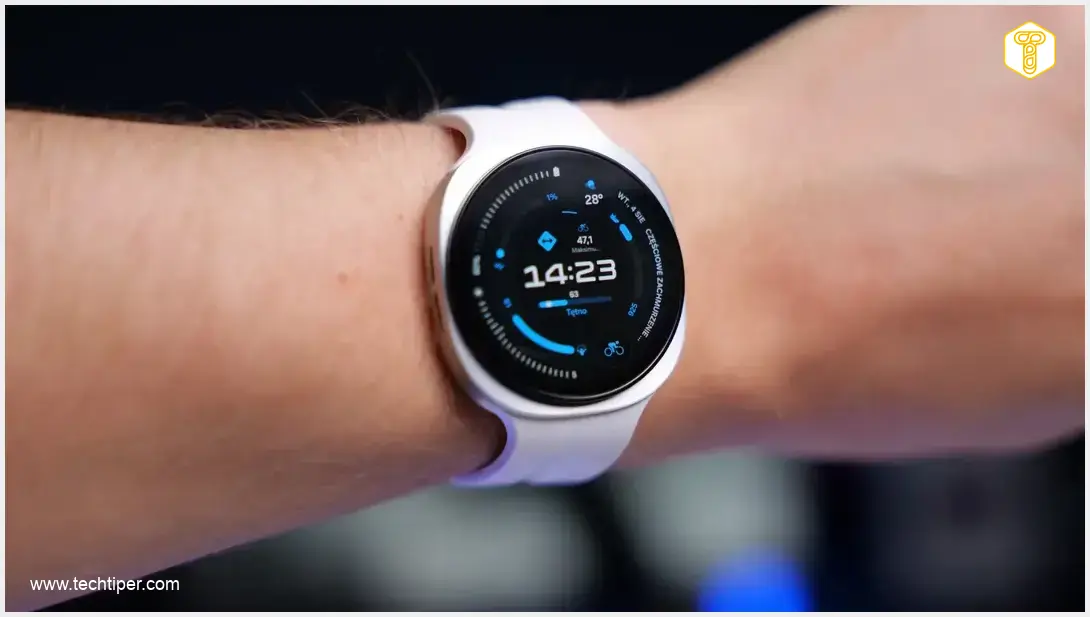
Samsung is reportedly developing an intriguing new wearable device, aiming to fill a strategic gap in its product lineup. This upcoming gadget is positioned between the popular Galaxy Fit 4 fitness tracker and the more advanced Galaxy Watch FE, offering a unique blend of affordability and functionality.
Introducing Galaxy Aero: A Simpler System for Extended Battery Life
Currently referred to by the internal codename “Galaxy Aero,” this device is expected to diverge from Samsung’s traditional smartwatch offerings. Information gleaned from application code suggests that it will not run on Wear OS, the operating system powering most of Samsung’s smartwatches.
Instead, the codename “galaxy_rtos_watch” points towards the implementation of a Real-Time Operating System (RTOS). RTOS is a specialized operating system designed for time-critical applications, known for its efficiency and low power consumption. This choice of OS is a significant indicator of the device’s intended performance and cost structure.
- Simplified Functionality: RTOS devices typically offer a more streamlined set of features compared to Wear OS smartwatches.
- Energy Efficiency: A key advantage of RTOS is its minimal power draw, allowing devices to operate for extended periods on a single charge.
Why RTOS Matters for Battery Life and Cost
The adoption of an RTOS is a strategic move that could make the Galaxy Aero a compelling option for many users. While Wear OS offers a rich app ecosystem and advanced features, it is also resource-intensive, leading to shorter battery life. For instance, many Wear OS smartwatches, like the Samsung Galaxy Watch5, typically require charging every few days.
In contrast, RTOS-based wearables are renowned for their impressive endurance. Devices running on such systems often boast battery lives of a week or even longer. This would be a significant differentiator for the Galaxy Aero, providing a substantial advantage over its Wear OS counterparts and addressing a common user pain point.
Furthermore, by opting for a less complex operating system, Samsung can potentially reduce manufacturing costs, translating into a more affordable retail price for consumers. This positions the Galaxy Aero as an accessible option for those seeking more than a basic fitness band without the premium price tag of a full-fledged smartwatch.
Bridging the Gap: More Capable Than a Band, More Affordable Than a Smartwatch
While the exact design details remain under wraps, Samsung refers to this new device as a “watch,” implying it will be more sophisticated than a simple fitness tracker. This suggests a form factor and user experience closer to a smartwatch, rather than just a basic band with a small display.
If the Galaxy Aero is priced above the Galaxy Fit 4, it’s reasonable to expect it will incorporate essential smartwatch sensors. These could include:
- Accelerometer for motion tracking
- Gyroscope for orientation detection
- Heart rate sensor for health monitoring
This combination of features would offer users enhanced tracking capabilities and a more interactive experience than a typical fitness band. It would serve as an attractive alternative for individuals who desire a capable wearable for health and fitness tracking but do not require the full suite of smart features and third-party app support found on Wear OS smartwatches.

What’s Next for the Galaxy Aero?
As of now, there is no official word on when this device will be launched or what its final retail name will be. The information currently available is based on an analysis of the Galaxy Wearable app code, meaning that the device’s appearance, specifications, and features could still evolve before its official unveiling.
The Galaxy Aero represents an exciting development for Samsung, potentially expanding its wearable market reach by offering a compelling mid-range option that prioritizes battery life and essential smart features over the extensive capabilities—and higher costs—associated with Wear OS devices.
Frequently Asked Questions (FAQ)
RTOS (Real-Time Operating System) is an operating system optimized for efficiency and low power consumption. For the Galaxy Aero, this means significantly longer battery life—potentially up to a week or more—compared to Wear OS smartwatches, while still providing core wearable functionalities at a potentially lower cost.
The Galaxy Aero is expected to offer more features and a more “watch-like” experience than a basic Galaxy Fit band, including sensors like an accelerometer, gyroscope, and heart rate monitor. However, it will be simpler and more affordable than a full Galaxy Watch, primarily due to its RTOS operating system instead of Wear OS, which trades extensive app support for superior battery life.
As of now, there is no official release date for the Galaxy Aero. Information about the device comes from code analysis, so its final specifications and launch timeline are subject to change.
Source: SamMobile. Opening photo: Krzysztof Wilamowski
About Post Author
