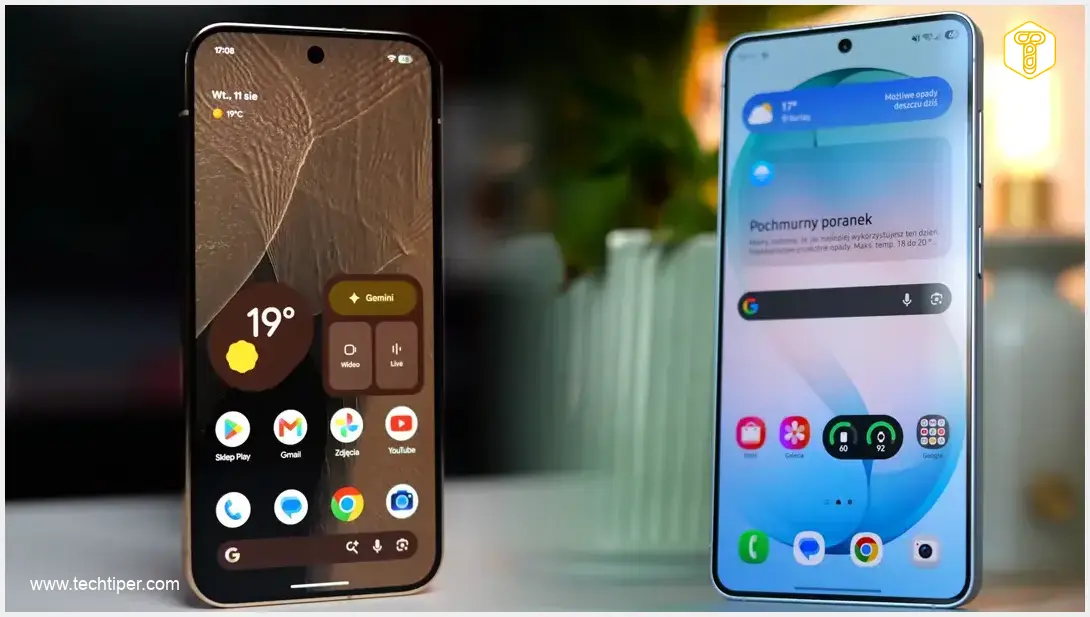
In the ever-evolving smartphone landscape, the Google Pixel 11 and Samsung Galaxy S26 emerge as the latest flagships, offering refinements rather than radical overhauls from their predecessors. While both devices aim to set new benchmarks, a closer look reveals distinct differences that could sway consumer preferences. Notably, the Google Pixel 11 appears to carve out a compelling niche, particularly for users prioritizing battery longevity, photographic capabilities, and timely software updates.
Contents
Google Pixel 11 vs. Samsung Galaxy S26: A Head-to-Head Comparison
A recent analysis from Android Authority highlights several critical areas where the Pixel 11 significantly distinguishes itself from the Galaxy S26. For many, the choice between these two premium smartphones will hinge on these key disparities.
Battery Life: Where the Pixel 11 Shines
One of the most significant advantages for the Pixel 11 lies in its battery performance. Samsung has opted for a remarkably lightweight and slender design for the Galaxy S26, a feat achieved, in part, by integrating a battery with a modest capacity of just 4300 mAh. While this might suffice for a day of moderate usage, demanding activities such as navigation, gaming, or extensive camera use could quickly deplete its power, requiring frequent recharges.
In contrast, the Pixel 11 boasts a more robust 4840 mAh battery. This capacity even surpasses that of the larger Galaxy S26 Plus, despite the standard Pixel 11 being more comparable in size to the base S26. While raw capacity isn’t the sole determinant of battery longevity, Google undeniably holds a significant advantage on paper.
Advanced Wireless Charging on the Pixel 11
The Pixel 11 extends its lead into wireless charging technology. It features integrated Qi2-compatible magnets, allowing users to effortlessly attach magnetic accessories without needing a specialized case. Furthermore, the Pixel 11 supports Qi2.2, enabling wireless charging speeds of up to 25W. The Galaxy S26, however, caps wireless charging at 15W, and requires a compatible case to utilize Qi2 features due to the absence of built-in magnetic profiling.
Camera Innovations: Google’s Strategic Upgrades
The camera systems of both devices present another interesting point of comparison. Samsung’s Galaxy S26 largely retains the camera hardware from its predecessor, the Galaxy S25, even with an increase in price. Google, while also adjusting the price of the Pixel 11 upwards, has introduced more substantial hardware enhancements to its imaging suite.
Pixel 11 Camera Specifications:
- Main Camera: New 48-megapixel sensor, designed to capture up to 56% more light than previous generations.
- Telephoto Lens: 10.8-megapixel sensor, offering 5x optical zoom and an impressive 30x maximum digital zoom (an upgrade from the Pixel 10’s 20x).
- Ultra-wide Camera: 13-megapixel sensor (retained from the previous model).
For context, the Galaxy S26 provides a 3x optical zoom, placing the Pixel 11 ahead in telephoto capabilities.
Performance: A Battle of Next-Gen Processors
When it comes to raw processing power, both flagships deploy cutting-edge silicon. The Samsung Galaxy S26 is equipped with the formidable Snapdragon 8 Elite Gen 5 chipset. Meanwhile, the Pixel 11 introduces Google’s new Tensor G6, manufactured on a 2nm process by TSMC.
While a direct performance superiority isn’t guaranteed for Google, the Tensor G6’s advanced manufacturing process could address some of the persistent challenges faced by earlier Tensor chips, such as elevated operating temperatures and moderate power efficiency. This could potentially translate into a more stable and efficient user experience for Pixel 11 owners.

Software Experience and Updates: The Pixel Advantage
Software is another critical differentiator. Samsung has made considerable strides in recent years, improving its update policy and accelerating the rollout of new Android versions. However, the Pixel series inherently maintains an edge in this domain. Google’s own smartphones typically receive the latest Android releases and Feature Drops first, making the Pixel 11 a preferred choice for users eager to experience new features immediately upon launch.
Making Your Choice: Pixel 11 or Galaxy S26?
It’s important to note that the Galaxy S26 is by no means an inferior smartphone. It continues to appeal to users who value Samsung’s expansive One UI ecosystem and the robust performance delivered by the Snapdragon chipset. However, when considering specific priorities, the Pixel 11 presents a strong case.
Pricing Overview (Approximate – at launch):
- Google Pixel 11 (256 GB): Generally priced at a slightly higher point than its competitor.
- Samsung Galaxy S26 (256 GB): Often available at a more competitive price point, though offers can vary significantly from different retailers.
Google has historically offered pre-order incentives, such as significant store credit, which can make the initial higher price of the Pixel 11 more palatable.
Ultimately, if your priorities lean towards superior battery life, seamless Qi2 accessory compatibility, tangible camera hardware upgrades, immediate software updates, and Google’s signature design aesthetic, the analysis from Android Authority suggests that the Pixel 11 stands out as the more intriguing option this year.
Frequently Asked Questions (FAQ)
The Pixel 11 generally offers a larger battery capacity, more advanced wireless charging (Qi2 with integrated magnets), significant camera hardware upgrades (new 48MP sensor, 5x optical zoom), and priority access to the latest Android updates and Google’s Feature Drops.
The Galaxy S26 features the Snapdragon 8 Elite Gen 5, known for its high raw performance. The Pixel 11 uses Google’s new Tensor G6, built on a 2nm process by TSMC, which could potentially offer improved efficiency and thermal management over previous Tensor chips. While both are powerful, real-world performance will depend on optimization and specific benchmarks.
The Pixel 11 introduces a new 48-megapixel main sensor designed to capture more light and a telephoto lens with 5x optical zoom and 30x maximum digital zoom. The Galaxy S26 largely retains its previous camera hardware and offers 3x optical zoom. Based on hardware upgrades, the Pixel 11 brings more substantial improvements to its camera system this year.
Users might prefer the Galaxy S26 for its established One UI ecosystem, potentially superior raw performance from the Snapdragon 8 Elite Gen 5 chipset, and its sleek, lightweight design. Samsung also offers a comprehensive ecosystem of connected devices and services that can be a deciding factor for some.
Source: Android Authority. Opening photo: Krzysztof Wilamowski / Android.com.pl, edited by author.
About Post Author