Contents
Samsung Explores Radical Camera Redesigns for Future Galaxy Z Flip Models
Samsung appears to be eyeing significant aesthetic and functional overhauls for its upcoming Galaxy Z Flip lineup. Recent intellectual property filings at the World Intellectual Property Organization (WIPO) reveal a series of ambitious camera module concepts, with one particularly intriguing design hinting at the inclusion of a third lens. These explorations suggest Samsung is moving beyond mere cosmetic tweaks, aiming to redefine the camera experience on its popular compact foldables.
Current Galaxy Z Flip Camera Design
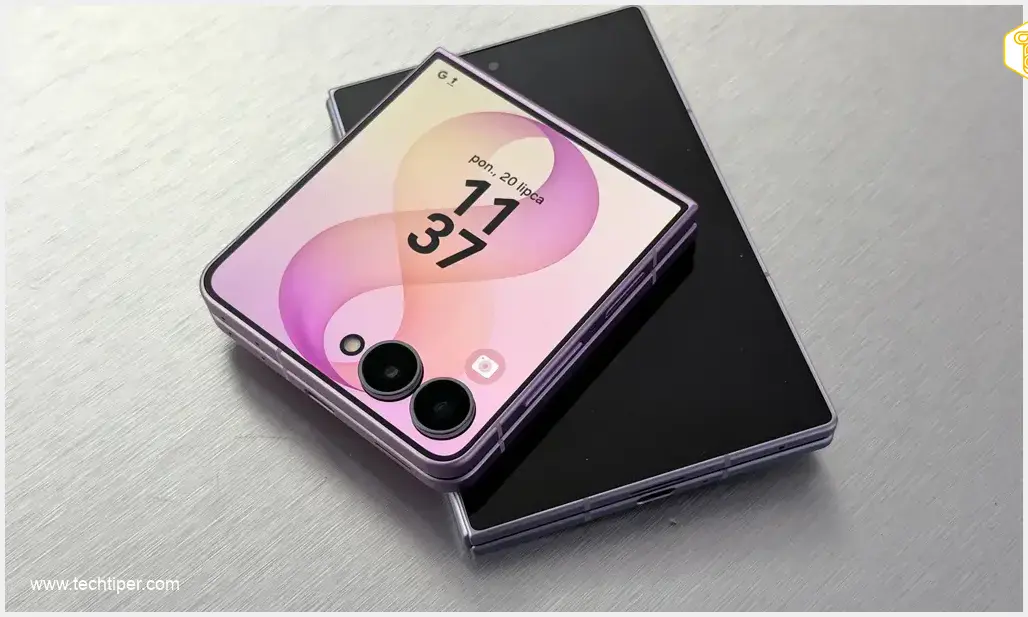
Currently, models like the Galaxy Z Flip8 feature a dual-camera setup positioned horizontally next to the external display. Each sensor is distinctly housed, often accented by a noticeable ring, contributing to the device’s unique aesthetic when folded. This configuration has become a signature look for the series, but Samsung is clearly looking to innovate further.
New Camera Concepts Revealed in WIPO Filings
The WIPO documents showcase four distinct camera module configurations that Samsung is considering for future Galaxy Z Flip iterations:
- Ambient Island Concepts: Two of the proposed designs adopt an “Ambient Island” approach, suggesting an integrated or more fluid camera housing that blends seamlessly with the device’s design, potentially reminiscent of features seen in other premium smartphones.
- iPhone Pro-Inspired Design: Another concept bears a striking resemblance to the camera layout found on Apple’s iPhone Pro models, indicating Samsung’s willingness to explore diverse design languages.
- Enhanced Triple-Sensor Array: Perhaps the most significant revelation is a design that expands upon Samsung’s current dual-camera setup by incorporating a third sensor.
The Potential Impact of a Triple Camera System
The prospect of a three-camera system on a Galaxy Z Flip device is particularly exciting. If Samsung proceeds with this concept, a telephoto lens would be the most logical addition. This would dramatically enhance the photographic versatility of the compact foldable, offering optical zoom capabilities that are currently absent from the series. Users would be able to capture distant subjects with greater clarity and detail, a significant upgrade for a device known for its portability and unique form factor.
Challenges and Considerations: The External Display
However, integrating a more complex camera system, especially a triple-lens setup, presents a notable challenge: the external cover display. Each of Samsung’s proposed designs demands additional space for the camera module, which could potentially encroach upon the precious real estate currently allocated to the outer screen. Balancing advanced camera functionality with a generously sized and usable external display will be a key design hurdle for Samsung engineers. For example, innovations in display technology, such as those discussed in articles like AI OLED Displays, could play a role in optimizing space.
Future Outlook and Speculation
It’s crucial to remember that these WIPO filings represent design explorations rather than confirmed product specifications. Samsung frequently patents and registers various concepts as it innovates, and there’s no guarantee that any of these specific designs will appear in a retail version of the Galaxy Z Flip. The final design of upcoming foldable smartphones, perhaps even the highly anticipated Galaxy S26 Ultra with its AI privacy display, could still evolve significantly. For more on cutting-edge display technology, see our analysis on Samsung Galaxy S26 Ultra AI Privacy Display vs iPhone 17 Pro Max. These documents merely offer a glimpse into the potential directions Samsung is considering for its future foldable devices.
Source: Sammy Fans, Original Content
Opening photo: Jolanta Szczepaniak
Frequently Asked Questions (FAQ)
A1: Samsung is exploring several concepts, including two “Ambient Island” designs, one resembling the iPhone Pro’s camera layout, and a notable design that incorporates a third camera sensor, likely a telephoto lens.
A2: Not necessarily. The WIPO filings show concepts and potential directions Samsung is considering, but there is no guarantee that any of these specific designs will be implemented in a commercial product. The final design could be different.

A3: The most significant benefit would likely be the addition of a telephoto lens, providing optical zoom capabilities. This would allow users to capture distant subjects with greater detail, significantly expanding the phone’s photographic versatility.
A4: Yes, a key challenge is the potential impact on the external cover display. A larger camera module might require reducing the size or changing the shape of the cover screen, which could affect user experience. Samsung will need to find a balance between camera advancements and screen usability.
About Post Author