Contents
Android 17 Gets a Clever Feature: Helping Drivers and Passengers
For many, using a smartphone while traveling in a car or bus quickly leads to nausea and discomfort, a condition commonly known as motion sickness. Google is now beginning to roll out a promising new feature in Android 17 called Motion Assist, designed to alleviate this problem with a simple yet ingenious solution.
Android 17 Starts Helping with Motion Sickness
Google has initiated the gradual rollout of its Motion Assist feature, primarily targeting individuals who experience discomfort when using their smartphones in moving vehicles. Initial observations suggest that this feature is first becoming available on Pixel smartphones.
Users have already started reporting the presence of Motion Assist on their devices. However, the feature is not appearing simultaneously on all Android 17 phones, with differences noted even among various Pixel models. This phased rollout ensures stability and gathers user feedback effectively. For more details on what’s new in the latest iteration of Google’s mobile OS, you can explore other Android 17 features and its release date.
The Evolution of Motion Assist: From Motion Cues to Android 17
The core concept behind this innovative feature isn’t entirely new. Google first hinted at Motion Assist as early as late 2024, when the solution was under development internally, then known as “Motion Cues.” This project has now resurfaced, refined and integrated as a key component of Android 17.
How Motion Assist Works: Tricking Your Inner Ear with Visual Cues
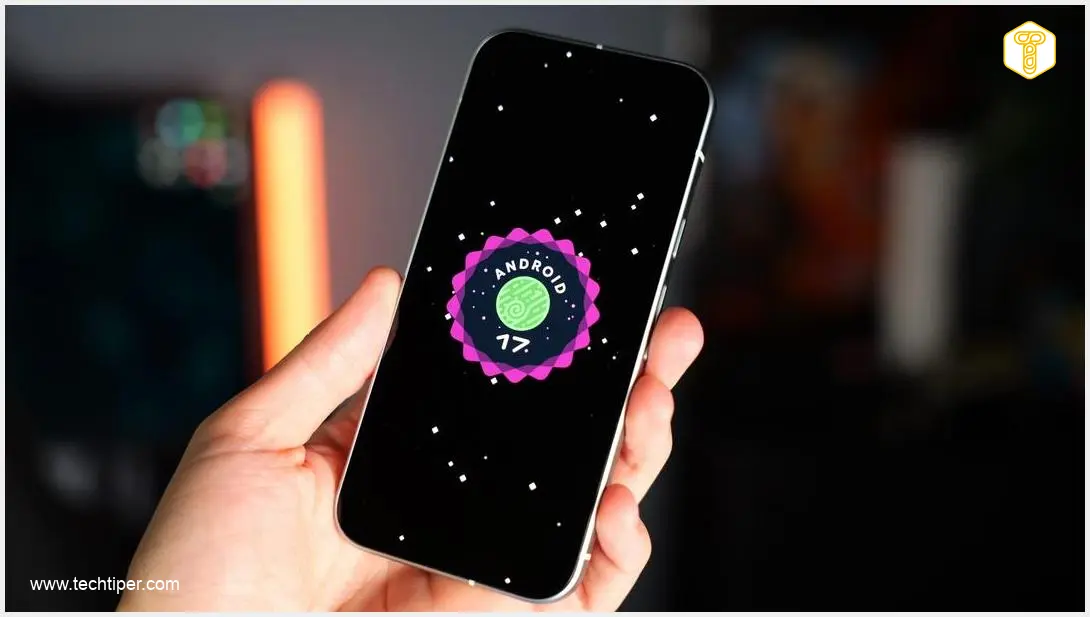
The mechanism behind Motion Assist is remarkably straightforward. Android displays special elements, such as moving dots, along the edges of the screen. These visual cues move in sync with the vehicle’s motion. By doing so, the smartphone provides your visual system with additional information that your body is indeed in motion. This clever technique aims to reduce the sensory mismatch between what your eyes perceive and what your body’s vestibular system (inner ear) experiences. This discrepancy is a primary cause of motion sickness, and by aligning these inputs, Motion Assist helps mitigate the feeling of nausea.
Personalization and Control at Your Fingertips
Users can personalize the visual aspects of the Motion Assist feature to suit their preferences. Options include selecting different:
- Colors
- Shapes
- Transparency levels for the indicators
There’s also an option to randomize their appearance for a varied experience. Motion Assist can be set to activate automatically when driving is detected. Alternatively, users can manually control the feature via a dedicated tile in their quick settings panel.
Availability and Looking Ahead
As Motion Assist is still in its early deployment phase, patience is key. Even owning a Pixel phone with Android 17 does not yet guarantee immediate access to the feature. Google typically rolls out such updates gradually to ensure stability and gather feedback.
Interestingly, similar solutions aimed at combating motion sickness are already available in smartphones from other manufacturers, including brands like OPPO and vivo. This highlights a growing recognition of the need for such features. For instance, some audio solutions also tackle motion sickness, such as the Samsung Galaxy Buds Hearapy app, which uses sound-based therapies.

Frequently Asked Questions (FAQ)
Motion Assist is a new feature in Android 17 designed to reduce motion sickness for smartphone users in moving vehicles. It works by displaying visual cues on the screen’s edges that move in synchronization with the vehicle, helping to align visual perception with the body’s sense of motion.
Motion sickness often occurs when there’s a disconnect between what your eyes see (e.g., a static phone screen) and what your inner ear feels (motion). Motion Assist introduces dynamic visual elements on the screen that mimic the vehicle’s movement, providing consistent sensory input and thereby reducing this conflict.
No, Motion Assist is being rolled out gradually. Initially, it is appearing on Pixel smartphones with Android 17, but even then, availability can vary between different Pixel models and is not immediate for all users.
Yes, users can personalize Motion Assist by choosing different colors, shapes, and transparency levels for the visual indicators. There’s also an option to randomize their appearance.
Motion Assist can be set to activate automatically when vehicle motion is detected. Alternatively, you can manually control it through a dedicated tile in your smartphone’s quick settings.
Yes, some other smartphone manufacturers, such as OPPO and vivo, have introduced similar features to help combat motion sickness. This indicates a growing trend in addressing this common issue for mobile users.
The concept for Motion Assist was first hinted at by Google in late 2024, under the working title “Motion Cues,” before its official integration and rollout as part of Android 17.
Source: Android Authority. Opening photo: Krzysztof Wilamowski
About Post Author