Contents
Android 16 VPN Bug: Urgent Privacy Warnings from Providers
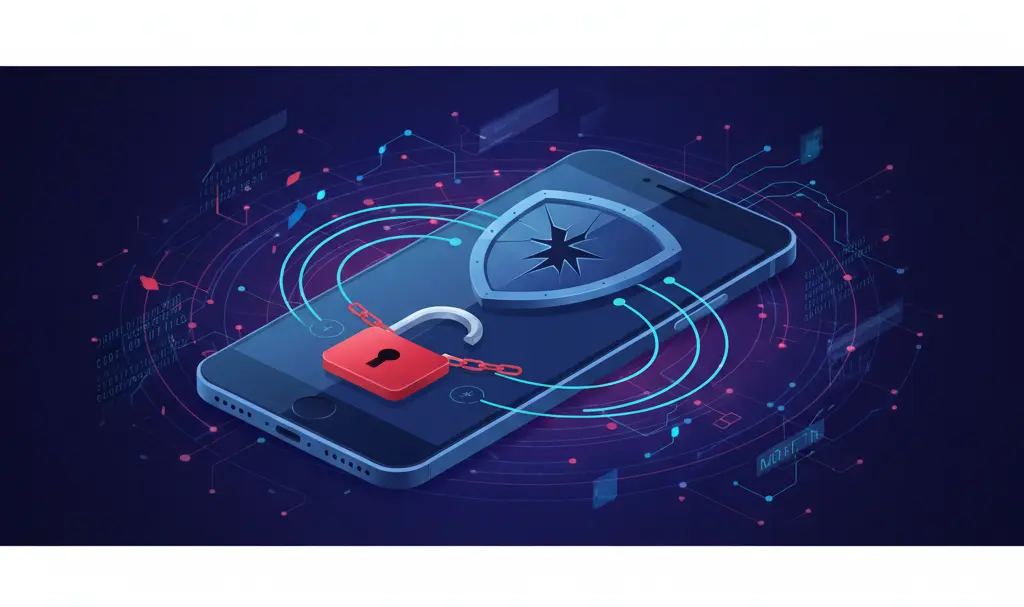
A critical flaw in the upcoming Android 16 operating system is raising significant alarms among Virtual Private Network (VPN) providers. Reports indicate that this bug can silently disconnect active VPN connections without user notification, potentially exposing sensitive data and compromising privacy. Cybersecurity experts are urging Google to swiftly address this serious vulnerability.
Understanding VPNs and Their Importance
A Virtual Private Network (VPN) is a crucial internet security service that encrypts your online connection and masks your IP address, enhancing your privacy and security. By routing your internet traffic through a secure, encrypted tunnel, VPNs protect your data from eavesdropping, surveillance, and potential cyber threats. They are increasingly popular tools for individuals and businesses seeking to safeguard their digital footprint, especially when using public Wi-Fi networks.
Many users rely on VPNs for a variety of reasons, including:
- Protecting personal data from hackers on unsecured networks.
- Maintaining anonymity online by hiding their real IP address.
- Bypassing geo-restrictions to access content.
- Securing communications for remote work.
The Android 16 VPN Disconnection Flaw
According to comprehensive analyses by leading VPN providers, Android 16 contains a significant defect within its network layer responsible for managing VPN connections. This issue primarily manifests when a VPN application is updated in the background via the Google Play Store.
The problematic sequence is as follows:
- A VPN app updates in the background.
- The operating system abruptly terminates the VPN software.
- Crucially, the user receives no notification that their VPN connection has been lost.
- Attempts to restart the VPN application often fail to re-establish the secure connection.
- Users typically need to restart their entire smartphone to restore VPN functionality.
This silent disconnection is particularly dangerous because, without the VPN tunnel, all subsequent network traffic is routed outside the encrypted channel. This means user data, including browsing activity, personal information, and actual IP addresses, could be transmitted openly and potentially intercepted, leading to severe privacy breaches and data leaks. The bug appears to be systemic, affecting a wide range of popular VPN services.
Proton VPN, a prominent VPN service, brought significant attention to the issue:
Google has known about a bug that breaks VPN apps for 7 months, leaving users exposed with no warning or error, just a VPN app that stopped working in the background.
If you’re using ANY VPN on Android, you can help us by getting Google’s attention to fix it.— Proton VPN (@ProtonVPN) March 18, 2026
Their communication highlights that this flaw has been known for an extended period, reportedly since September 2025, yet persists without clear symptoms or an official fix.
Google’s Response and the Path Forward
Proton VPN began reporting this critical vulnerability to Google, the Mountain View-based technology giant, as early as September 2025. Despite numerous submissions and public warnings, Google has not yet issued an official confirmation of the dangerous phenomenon.
The latest communication from Google regarding the issue suggests that the problem has been escalated to relevant internal teams. While this offers a glimmer of hope, the cybersecurity community and privacy advocates are keenly awaiting a definitive statement and, more importantly, a rapid patch to secure Android 16 users.
The urgency to resolve this bug cannot be overstated. As digital privacy becomes an increasingly vital concern, operating systems must prioritize robust security features. Users depend on their devices to provide reliable protection, and a silent VPN failure undermines fundamental security expectations.
Frequently Asked Questions (FAQ)
What exactly is the Android 16 VPN bug?
The Android 16 VPN bug is a critical flaw in the operating system’s network handling that causes active VPN connections to silently disconnect, primarily when the VPN app updates in the background. Users are not notified of this disconnection, leaving their internet traffic unsecured.
How does this bug affect my privacy and security?
When your VPN disconnects without warning, your internet traffic is no longer routed through an encrypted tunnel. This exposes your online activities, personal data, and real IP address to potential interception, surveillance, and data leaks, significantly compromising your privacy and security.
What can I do if I suspect my VPN is affected by this bug?
If you suspect your VPN connection might be silently disconnecting on Android 16, the current workaround suggested by providers is to restart your smartphone. Regularly check your VPN app’s status to ensure it’s active. You can also monitor your connection for any unusual behavior or use a “kill switch” feature if your VPN provider offers one, which is designed to block internet access if the VPN connection drops.
Has Google officially acknowledged or fixed the issue?
As of current reports, Google has not yet officially confirmed the bug. While they have indicated that the issue has been escalated to relevant internal teams, a public statement or a definitive fix has not yet been released. VPN providers and users are actively urging Google for a swift resolution.
Source: AndroidAuthority, Original Research
Opening photo: Krzysztof Wilamowski
About Post Author