
Contents
Apple’s Latest Product Purge: 15 Devices Axed, What It Means for You
Apple continues to streamline its product lineup, a strategic move that often involves discontinuing older or less popular models to make way for new innovations. The Cupertino giant has recently removed 15 devices from its production roster, a list that surprisingly includes some models launched just a few months ago. This raises important questions for consumers: What are the immediate and long-term implications for owners of these devices?
The Surprising List of Discontinued Apple Products
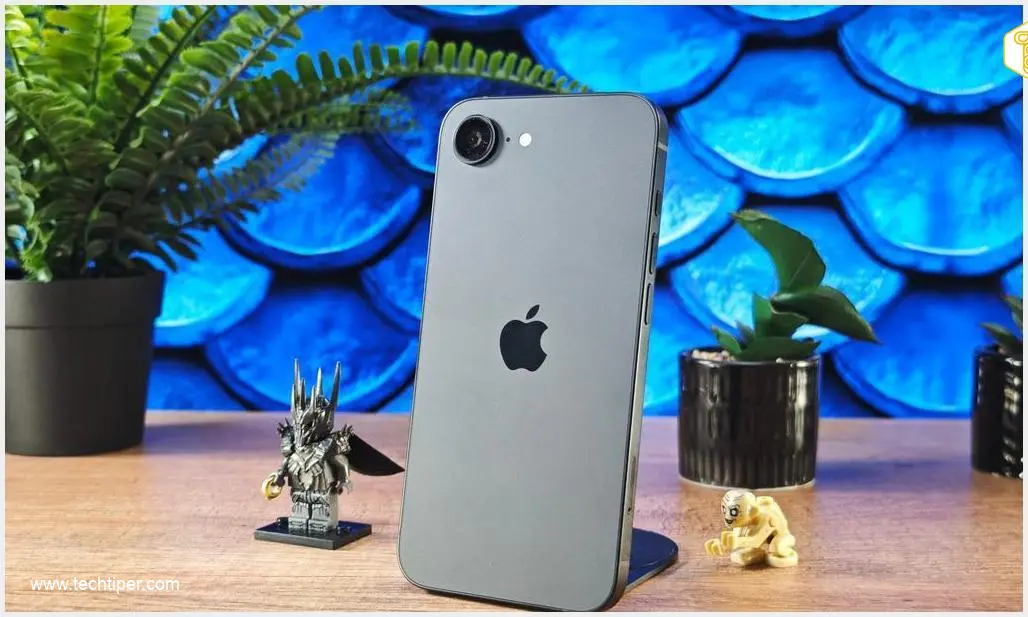
The latest round of product cancellations from Apple includes a mix of older and relatively recent hardware. For instance, the iPhone 16e, which debuted in the first half of 2025, has already ceased production following the release of the newer iPhone 17e. This rapid lifecycle is becoming increasingly common. Similar fates have met the following devices:
- iPhone 16e (A18, 2025)
- iPad Air M3 (11-inch, 2025)
- iPad Air M3 (13-inch, 2025)
- MacBook Air M4 (13-inch, 2025)
- MacBook Air M4 (15-inch, 2025)
- MacBook Pro M5 (13-inch, 512 GB, 2025)
- MacBook Pro M4 Pro (14-inch, 2024)
- MacBook Pro M4 Pro (16-inch, 2024)
- MacBook Pro M4 Max (14-inch, 2024)
- MacBook Pro M4 Max (16-inch, 2024)
- Mac Studio M3 Ultra (2025)
- Studio Display (A13 Bionic, 2022)
- Pro Display XDR (2019)
- Pro Stand (2019)
- Pro Display XDR VESA Mount Adapter (2019)
It’s clear that Apple’s strategy isn’t solely about phasing out older generations. The company is also consolidating its offerings by replacing relatively recent configurations with newer variants or simplifying its product lines to improve focus and manufacturing efficiency.
What Happens When Your Apple Device is Discontinued?
While the discontinuation of a device from production might sound alarming, it doesn’t mean your product will immediately lose all support. However, it does initiate a “degradation cycle” that users should be aware of:
Immediate Impact on Resale Value
One of the most significant and immediate consequences is the potential drop in residual value. Over the next few months, the market value of these discontinued devices could decrease by 20-30%. If you were considering selling any of the electronics listed above, acting quickly before this value erosion accelerates is advisable.
Long-Term Support and Repair Challenges
Apple typically provides several years of software updates and service availability for its products. However, as devices age and reach “vintage” status (generally around five years after discontinuation), obtaining spare parts, especially for components like batteries, and securing official repair services can become significantly more challenging and costly. Most users prefer to keep their devices as long as they are under warranty, but it’s wise to monitor the situation. While your device is still under warranty, its market value may be more stable, but the long-term outlook for support changes once production stops.
Key Takeaways for Device Owners
Apple’s decision to cease production on these devices, some of which are quite new, underscores a continuous push for innovation and product cycle acceleration. For consumers, understanding these changes is crucial for making informed decisions about their current and future Apple purchases. Keep an eye on your device’s support status and consider your options, especially if you plan to upgrade or sell in the near future.
Frequently Asked Questions (FAQ)
What does “discontinued” mean for my Apple device?
“Discontinued” means Apple has stopped manufacturing new units of that specific product. It does not immediately affect existing devices’ functionality or warranty. However, it signals the beginning of a phase-out period where future software updates may eventually cease, and hardware support (like parts availability) may become limited over time.
Will my discontinued Apple device still receive software updates?
Typically, yes, for a period. Apple usually supports its devices with major iOS/macOS updates and security patches for several years after they are discontinued. However, eventually, these devices will stop receiving the latest operating system versions, though critical security updates might continue for a while longer. The exact timeline varies by product.
How will this affect the resale value of my device?
The resale value of a discontinued device usually depreciates faster than models still in production. The article suggests a potential drop of 20-30% in residual value in the months following discontinuation. This is due to decreased demand for older models and the market anticipating future support limitations.
Should I sell my discontinued Apple device now?
If you were already planning to upgrade or sell your device, doing so sooner rather than later is often recommended to maximize its resale value. Waiting longer means facing further depreciation as the product ages and new models enter the market.
What challenges might I face owning a “vintage” Apple device in the long term?
Once an Apple device reaches “vintage” status (typically around five years after discontinuation), obtaining replacement parts, especially for batteries or specific components, can become significantly more difficult and expensive. Authorized service providers may no longer stock parts, pushing users towards third-party repairs which might not always use genuine components or meet Apple’s quality standards. Furthermore, lack of the latest software updates might mean incompatibility with newer apps or features, and potential security vulnerabilities if critical patches are no longer issued.
Source: PhoneArena, internal research. Opening photo: Konstanty Mlynarczyk
About Post Author
