

Google’s new Nano Banana 2 model, powered by Gemini 3.1 Flash Image, is set to revolutionize AI image generation. Delivering Pro-level quality at Flash speeds, it integrates deeply across Google’s ecosystem, from Gemini to Search and Lens, while robustly combating AI slop with advanced verification.
Author: Deepak Malik

Canada Pressures OpenAI: AI Safety Under Government Scrutiny
The Canadian government is demanding urgent changes to OpenAI’s safety protocols after the company failed to alert authorities about suspicious user activity linked to a recent shooting incident in Tumbler Ridge. This move highlights growing scrutiny over AI companies’ responsibility in public safety.
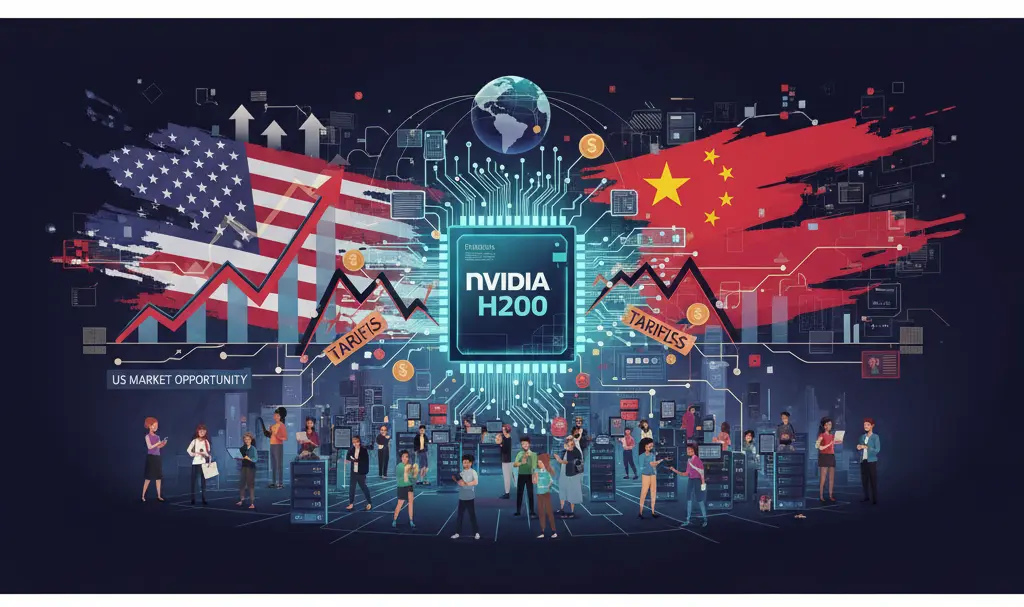
NVIDIA Resumes Trade with China? Huge Tariffs Loom
NVIDIA has reportedly secured a license from the U.S. government to ship a limited number of older-generation H200 chips to China. This move signals a potential turning point in the long-standing US-China tech conflict, but comes with significant costs for the tech giant, including U.S. inspections and a hefty 25% tariff. The decision could avert billions in losses for NVIDIA, while facing stiff competition from domestic players like Huawei.

Artificial Intelligence Instead of a Friend? New Data on Teenagers and AI
New research reveals that while American teenagers commonly use AI for academics, a significant minority also turn to chatbots for casual conversation and emotional support, raising concerns among mental health experts and parents, and prompting tech companies to adjust their offerings.

Altman and Musk Don’t Understand Why People Hate AI
AI, once a symbol of progress, is increasingly viewed with apprehension. This article explores the growing disconnect between tech leaders’ visions and public sentiment, examining reasons behind widespread distrust, low consumer enthusiasm, and the societal demand for greater control over artificial intelligence.

How Many People Want to Pay for AI? The Data Reveals the Truth
Recent data challenges the common perception of widespread artificial intelligence adoption, revealing that a vast majority of the global population has never used AI tools, and only a tiny fraction pays for premium AI services. This article delves into surprising statistics, explores reasons behind limited AI usage, and addresses the environmental concerns associated with AI development.

Oura Introduces New AI Model. It Will Check… Women’s Health Status
Oura, renowned for its smart rings, has unveiled an AI chatbot specifically designed for women. This innovative tool aims to empower women to monitor their health, integrate data from Oura rings, and receive personalized insights and guidance, marking a significant step in the intersection of AI and women’s wellness.

AMD to Supply Chips to Tech Giant: Why You Should Have Bought Their Stock Sooner
AMD extends its multi-year partnership with Meta, providing powerful MI450 graphics processing units for AI infrastructure, leading to a significant surge in AMD’s stock.

New ChatGPT Subscription Closer. Price is Mind-Boggling.
Unofficial reports suggest OpenAI is developing a new ChatGPT “Pro Lite” subscription plan, rumored to cost $100 per month. This mid-tier option aims to bridge the significant price gap between existing ChatGPT Plus and Pro plans, addressing user demand and strategic challenges faced by the company.

The 18th TIME Economic Forum ‘Technological Sovereignty of Poland and Europe 2030’ is About to Begin
Explore insights from the 18th TIME Economic Forum (March 9-10, 2026, Warsaw) on digital transformation, cybersecurity, and technological sovereignty for Poland and Europe by 2030.

‘Practically Nothing’: Analysts Estimate AI’s Impact on US GDP Last Year
Unpacking AI’s Economic Influence: Why the Impact on US GDP Might Be Smaller Than Assumed Billions of USD poured into artificial intelligence development were widely expected to supercharge the American economy.

Google TV Malfunctions on Many Televisions: An Unavoidable Update
Google TV users are encountering frustrating software issues, particularly with budget-friendly smart TVs, following the integration of Gemini AI. These glitches, often manifesting during the initial setup process, highlight a critical lack of control over mandatory updates and raise concerns about device stability.

Where to Find AI Applications Tailored for Your Computer? AMD Comes to the Rescue
Discover how AMD is simplifying access to powerful AI applications for users with Ryzen AI processors and Radeon graphics cards through its Adrenalin Edition software. Explore dedicated hardware, the ‘AI Bundle,’ and essential AI tools.

Free on Android, Paid on iOS: The AI App That Can Replace Your Keyboard
Wispr Flow, an advanced AI-powered speech-to-text application, has officially launched on Android devices. This tool, previously available on Windows and Apple platforms, offers seamless voice dictation, transcribing speech, organizing text, and even removing filler words, all currently free and unlimited for Android users. Discover how Wispr Flow is set to transform how we interact with our smartphones, offering a powerful alternative to traditional typing.

ChatGPT: Most Users Engaging for Concerning Reasons
New data from OpenAI reveals that ChatGPT is increasingly used for casual conversations, emotional expression, and mental organization, rather than just work. However, this shift raises concerns about potential user attachment and the exacerbation of mental health issues.

Finance Leaders’ Meeting 2026: The Future of Banking, Insurance, and FinTech
Explore the cutting-edge of finance at the Finance Leaders’ Meeting 2026. This premier two-day event brings together experts in banking, insurance, and FinTech to discuss economic transformation, AI-driven strategies, digital payments, and regulatory landscapes. Discover insights into the future of the financial sector and forge valuable business connections.
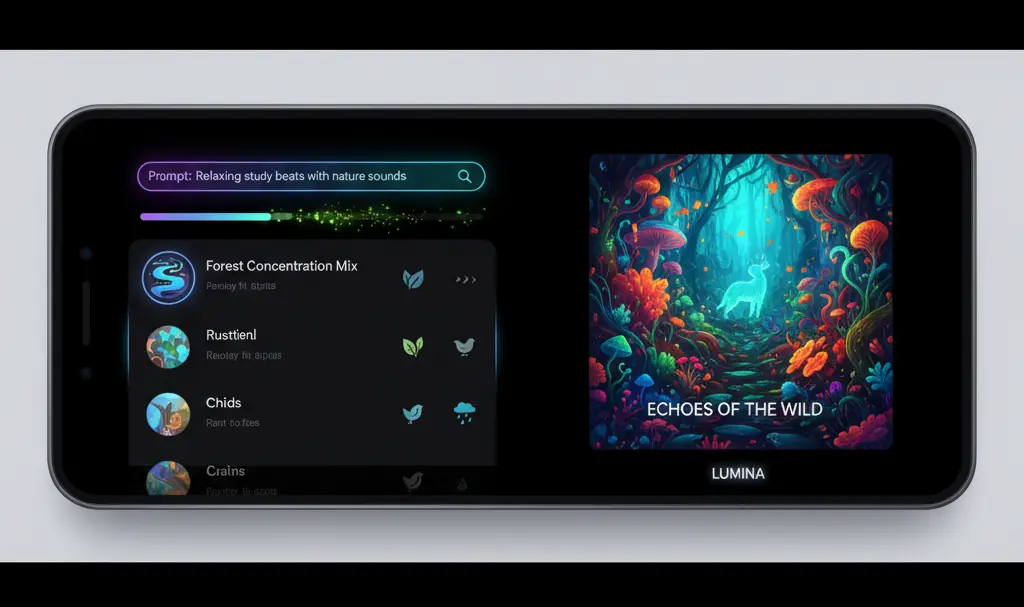
Spotify’s Competition Isn’t Giving Up: Apple Music Rolls Out Major Updates
Apple Music is challenging Spotify’s dominance with a slew of new features, including generative AI-powered playlists and a refreshed interface. These updates, available in beta for both iOS and Android, position Apple Music as a strong contender, especially with its competitive pricing.

When Algorithms Go Silent: AI Dilemmas After a Canadian Tragedy
Months before a tragic school shooting in Canada, OpenAI’s moderation systems flagged disturbing user conversations. The company’s subsequent decision not to inform law enforcement has sparked a critical debate about the ethical boundaries and societal responsibilities of artificial intelligence developers.

Galaxy AI Reaches a Higher Level: Samsung’s New Ace Up Its Sleeve
Samsung continues to push the boundaries of Galaxy AI, announcing significant advancements for its upcoming flagship phones. The Galaxy S26 series is set to redefine user interaction with artificial intelligence, introducing multi-AI agent support and deep integration with the conversational search engine, Perplexity.

Sam Altman Responds to AI’s Environmental Cost Claims: ‘Humans Also Consume a Lot of Energy’
OpenAI CEO Sam Altman addresses widespread concerns about AI’s environmental impact, particularly debunking myths surrounding its water consumption and offering a broader perspective on energy use, drawing parallels to human development.

OpenAI Prepares for Epochal Expenses: Artificial Intelligence Costs More and More
OpenAI is gearing up for unprecedented AI development spending, potentially reaching hundreds of billions of dollars, tied to a possible IPO and a projected trillion-dollar valuation by 2030, despite rising operational costs.

Social Media and Political Views: Algorithms May Influence More Than You Think
Recent research published in *Nature* reveals that algorithms on social media platforms like X (formerly Twitter) can significantly shift users’ political attitudes, particularly towards conservative viewpoints, even after the algorithmic intervention ceases. This comprehensive analysis explores the study’s findings and the profound implications for how we consume information and form our political beliefs.

YouTube with an Important Change on TV: Higher Level Integration
YouTube is rolling out an experimental AI conversational feature for its TV app, allowing users to interact with AI directly while watching videos. This move comes as YouTube strengthens its presence on Smart TVs and simultaneously implements new restrictions for users employing ad blockers on its browser and mobile platforms.