
Contents
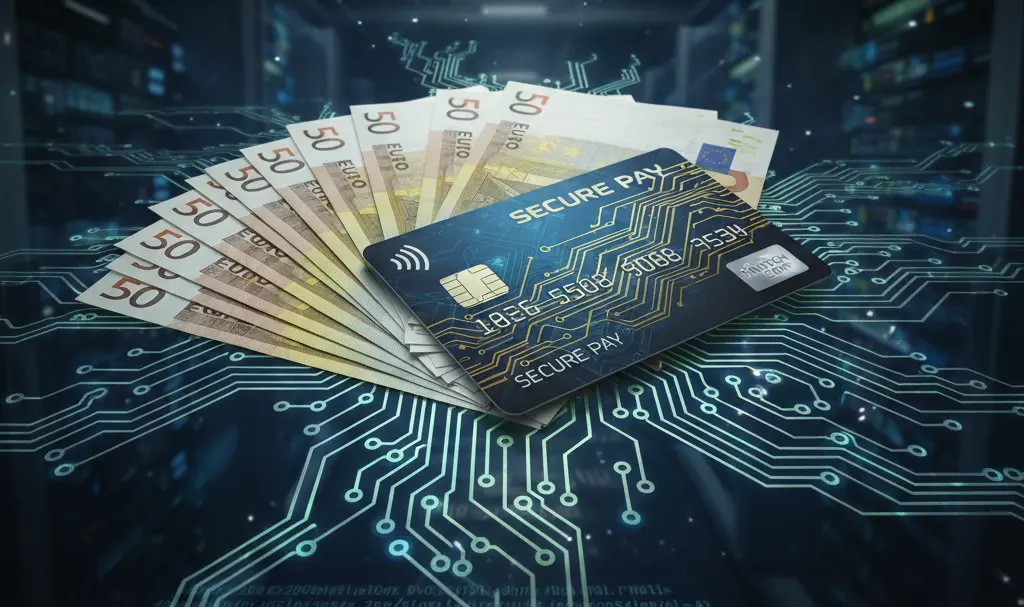
The Future of Payments: Navigating the Cash vs. Card Debate
The global financial landscape is grappling with a fundamental question: should societies prioritize robust digital payment systems, even during outages, or should physical cash remain the cornerstone of transactions? Recent developments from Denmark and Switzerland highlight these contrasting philosophies, prompting a critical look at what path countries like Poland might take. This discussion delves into the insights of a former Deputy Minister of Finance on this pressing issue.
Cash in Emergencies: A Fading Necessity?
For many years, the argument for physical cash as the only viable payment method during system failures or power outages has been a strong one. While this holds some truth, the Danish approach suggests a shift in perspective, aiming to make digital payments resilient even in challenging circumstances.
Denmark’s Proactive Stance on Payment Resilience
In October of last year, the Danish Central Bank issued comprehensive guidelines for businesses. These recommendations emphasize the importance of implementing systems that allow electronic payments to function even during emergencies, such as power disruptions. The objective is to ensure continuity of commerce and access to essential services, reducing reliance on physical currency during crises.
Key recommendations from the Danish Central Bank include:
- Emergency Payment Systems: Businesses offering electronic payments should deploy systems capable of operating during power outages or other system failures.
- Authorization Methods: Two primary methods were proposed for authorizing emergency transactions:
- Local Authorization: Works with physical cards but does not support mobile payment solutions like Apple Pay or Google Pay.
- Deferred Authorization: Encompasses all card types and requires a separate agreement with a service provider.
- Staff Training: Retail employees should receive specialized training to handle transactions during system disruptions.
Furthermore, the Danish Central Bank also released an alternative guide for citizens on how to prepare for unforeseen situations. It recommends:
- Possessing at least two different payment cards.
- Utilizing mobile payments for transfers.
- Keeping a small amount of physical cash on hand.
The suggested amount of cash is approximately 250 Danish Kroner per household member (roughly $35 USD or €33 EUR), intended for immediate needs during short-term disruptions.
Switzerland: Upholding the Constitutional Right to Cash
In stark contrast to Denmark’s digital-first approach, Switzerland remains a staunch advocate for physical cash. Approximately 1,000 kilometers south of Denmark, the Swiss constitution guarantees the availability of cash in circulation. This commitment was recently reaffirmed by a national referendum where about 69% of citizens voted to uphold cash access, as reported by financial news outlets.
This result might seem surprising given the decline in cash payments within Switzerland, which saw a drop from 70% to 30% over a decade. However, it underscores a deep-rooted belief in financial freedom and resilience. Despite the undeniable growth of digital payments, a significant amount of physical cash is still held in Swiss households, with an average value of approximately $10,700 USD (equivalent to roughly 40,000 Polish Złoty).
Card or Cash? What’s Best for Modern Economies?
The debate between prioritizing electronic payments and maintaining a strong role for physical cash is ongoing. In many countries, the value of cash in circulation remains substantial. For instance, in Poland, it is estimated at around 446.7 billion Polish Złoty (approximately $111.6 billion USD). This raises the question of whether nations should lean towards digital transformation or continue to embrace physical currency.
Expert Insights on Payment Freedom and Control
Piotr Soroczyński, Chief Economist at the National Chamber of Commerce and former Deputy Minister of Finance, believes that while states can promote electronic payments (over which they often have greater control), they should not mandate their use. He also highlights the increasing difficulty of living solely on cash in today’s interconnected world.
He notes, “It is very difficult today to function without a bank account (and having one should not be compulsory), and by extension, without a mobile phone (due to typical bank transaction authentication systems that can collect information about us in so many ways).”
Regarding the idea of a constitutional guarantee for cash, similar to Switzerland, Soroczyński suggests it might not be necessary for most nations. Instead, he argues that the state itself should ensure cash payment options are available in public institutions, which is not always the case currently.
The renewed interest in cash has several drivers, including geopolitical concerns related to conflicts. However, Soroczyński points to another significant factor:
“A stronger growth factor here seems to be a broad change in the policy of both the central bank and commercial banks towards depositors. In recent years, the central bank broke with a social contract (which had been in place for over two decades), according to which interest rates should be set so that depositors do not lose real value on deposits due to inflation.”
Soroczyński believes a “golden mean” exists to balance electronic transaction growth with a significant role for cash: robust protection of payment freedom by state authorities. He emphasizes the need for governments to safeguard weaker market participants from stronger ones who exploit their negotiating position and profit excessively from the increasing pressure to transact electronically, especially when reasonable alternatives are lacking.
Frequently Asked Questions (FAQ)
Why is payment system resilience important for modern economies?
Payment system resilience is crucial for ensuring economic stability and continuity, especially during unexpected events like power outages, natural disasters, or cyberattacks. Robust systems minimize disruptions to commerce, allow citizens to access essential goods and services, and maintain public trust in financial infrastructure. Denmark’s approach, for example, highlights efforts to ensure digital payments remain functional even in emergencies, reducing dependence on a single payment method.
What are the main arguments for and against a predominantly cashless society?
Arguments for a cashless society include increased efficiency, reduced costs associated with handling physical cash, enhanced security (less risk of theft), and improved traceability for combating illicit activities and tax evasion. Arguments against often cite concerns about financial inclusion for those without bank accounts or digital literacy, privacy concerns, vulnerability to cyberattacks or system failures, and the potential for increased surveillance and control over personal finances.
How do different countries’ approaches to cash and digital payments reflect their societal values?
A country’s approach often reflects its priorities regarding economic efficiency, individual privacy, and financial resilience. Nations like Denmark, with a strong emphasis on technological advancement and convenience, are pushing for robust digital payment infrastructures that can withstand emergencies. Conversely, countries like Switzerland, through constitutional guarantees for cash, prioritize financial freedom, individual autonomy, and a backup system independent of digital infrastructure, reflecting a more conservative stance on the role of the state in personal finance.
In an increasingly digital world, what are the primary challenges for governments in balancing innovation with financial inclusion and consumer protection?
Governments face several challenges: ensuring that technological advancements in payments do not exclude vulnerable populations (the elderly, low-income, or those without digital access), safeguarding consumer data and privacy from increasingly sophisticated cyber threats, and preventing monopolistic practices by large payment providers. Additionally, they must maintain trust in both digital and traditional financial systems, provide resilient payment options during crises, and regulate new technologies to prevent fraud while fostering innovation. Finding this balance requires careful policymaking that prioritizes broad societal benefits over singular technological drives.
Source: Original content analysis.
Opening photo: Gemini
About Post Author
