

Contents
ChatGPT Health: A New Era of AI-Powered Medical Assistance
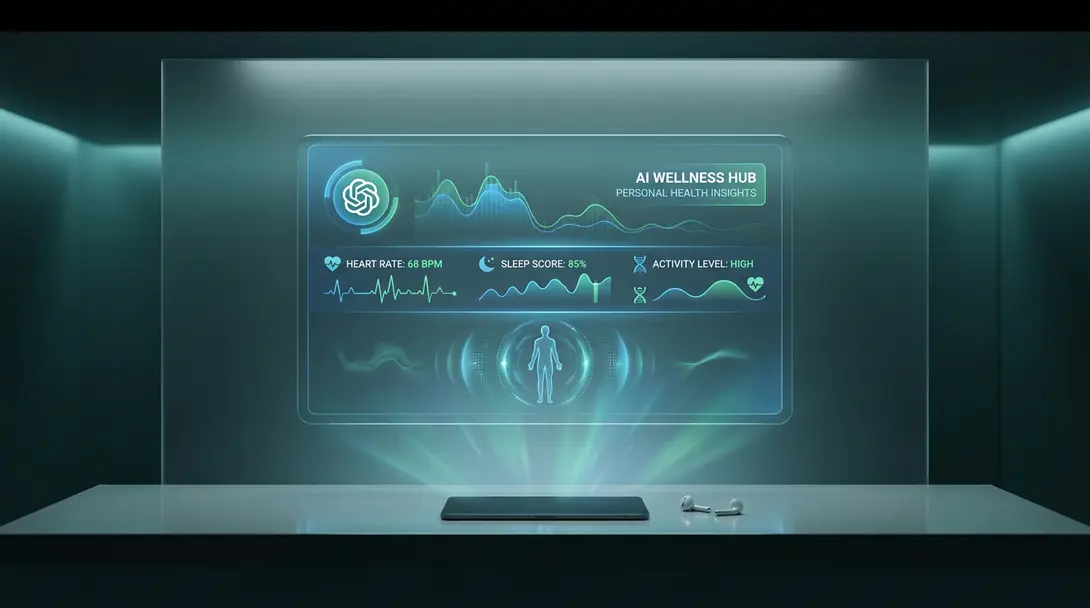
ChatGPT has reportedly been enhanced with a long-anticipated “Health” feature, designed to help users monitor their well-being. This innovative tool is engineered to accurately remember past conversations, significantly reducing the need to repeatedly input important health information. This potentially transformative, yet controversial, function was reportedly tested by a group of professional medical practitioners prior to its launch.
The Dawn of ChatGPT Health: Integrating AI into Personal Well-being
Reports about OpenAI’s plans to introduce a “ChatGPT Health” service began circulating as early as 2026. By late July of that year, these announcements reportedly materialized, making the tool available to adult users of the application in the United States. A key aspect of this feature is its robust integration with various health data sources, including Apple Health, allowing for a comprehensive view of a user’s health landscape.
How Does It Work?
In practice, ChatGPT is designed to leverage a wide array of data from external providers, such as medication details, records of doctor’s appointments, and personal activity levels. Based on this comprehensive input, it can reportedly plan subsequent actions, offer personalized recommendations, and proactively support the user’s health journey. This continuous and integrated flow of information aims to eliminate the need for users to repeatedly input the same data, streamlining personal health management.
The Health feature is reportedly powered by two distinct OpenAI models: GPT-5.5 Instant, which is accessible to users on the free plan, and GPT-5.6 Sol, exclusively available to those with premium subscriptions. This tiered approach ensures varying levels of sophisticated AI assistance based on user engagement.
Addressing Controversies: Medical Oversight and Data Privacy
The integration of medicine and Artificial Intelligence invariably sparks considerable debate, and the introduction of ChatGPT Health is no exception. However, OpenAI emphasizes that before its full implementation, the Health feature underwent rigorous testing by a global panel of several hundred medical professionals. Their feedback was reportedly largely positive, indicating a level of medical validation for the tool’s capabilities.
Data Privacy and Security Concerns
Many users will naturally question the security of their confidential medical information, especially when dealing with AI. The discussion often circles back to concerns about AI models potentially being trained on sensitive user data. OpenAI, however, assures users that all data transmitted through the Health feature is appropriately encrypted, safeguarding personal health details.
Before each use, users are presented with a clear notification regarding ChatGPT’s access to their health data, which they can choose to grant permanently. Furthermore, users retain the ability to disconnect data sources at any time. Should they choose to do so, all associated health information will reportedly be removed from OpenAI’s servers after a period of 30 days, reinforcing user control over their data.
Global Rollout and Future Prospects
Unfortunately, as of the current reports, ChatGPT Health has not yet been introduced in Europe. The potential launch date for the European continent remains undisclosed, and an immediate release is not anticipated. This regional limitation means many potential users outside the US will have to wait for this advanced medical AI functionality.
AI’s role in healthcare is rapidly expanding, from assisting with emergency room discharge summaries to improving hospital responses. This development highlights the growing integration of advanced AI models in managing personal health, similar to how AI is being integrated into vehicles like Apple CarPlay and Android Auto, or through advanced models like Gemini. The future of personalized healthcare seems increasingly intertwined with AI advancements.

Frequently Asked Questions (FAQ)
As of current reports, ChatGPT Health was introduced to adult users in the United States. Its availability in other regions, such as Europe, is not yet confirmed, and an immediate global rollout is not anticipated.
ChatGPT Health is designed to integrate data from external providers, including medication details, doctor’s appointment records, activity levels, and information from platforms like Apple Health.
OpenAI states that all data transmitted through the Health feature is appropriately encrypted. Users are notified about data access, can grant or revoke access, and can disconnect data sources, leading to the removal of associated information from OpenAI servers after 30 days.
The Health feature reportedly utilizes GPT-5.5 Instant for users on the free plan and GPT-5.6 Sol for those with premium subscriptions. While specific feature differences aren’t detailed, it implies varying levels of sophistication or access based on the subscription tier.
Yes, users reportedly have full control to disconnect their health data sources from ChatGPT Health at any time. Upon disconnection, all associated health information is said to be removed from OpenAI’s servers within 30 days.
Source: OpenAI / Press materials
Opening photo: Gemini
About Post Author
