

Contents
Japan Pioneers Next-Generation Commercial Aircraft: The “Science Fiction” Z4 Jet
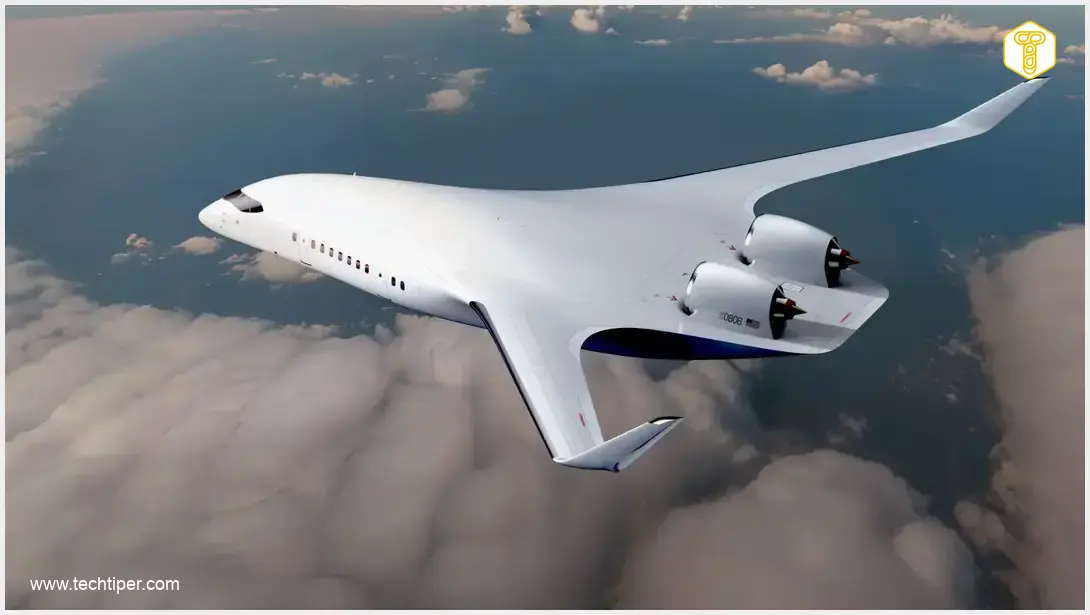
Japan, through its national carrier Japan Airlines (JAL), has officially committed to JetZero’s Z4 project. This ambitious initiative aims to construct a revolutionary, highly fuel-efficient aircraft featuring a blended-wing-body design. If development progresses according to schedule, this groundbreaking machine could achieve its first flight within the next six years, potentially transforming the landscape of commercial aviation.
A Revolutionary Aircraft Unlike Any Other
The Z4 program, spearheaded by the innovative aerospace company JetZero, is set to introduce the world’s first commercially utilized aircraft developed with a blended-wing-body (BWB) architecture. This advanced design integrates the fuselage seamlessly with the wings, offering several significant aerodynamic advantages:
- Enhanced Lift Generation: The integrated body contributes to lift across nearly the entire span of the aircraft, unlike conventional tube-and-wing designs where the fuselage generates minimal lift.
- Reduced Drag: The smooth, continuous contours of the BWB design minimize aerodynamic resistance, leading to improved efficiency.
Japan Airlines has recently joined this cutting-edge development effort. The collaborative goal is to produce an aerial vessel with an impressive range of 5,000 nautical miles (approximately 9,260 kilometers) capable of accommodating 250 passengers. This partnership highlights a strong commitment to pushing the boundaries of aviation technology, similar to how other innovations like commercial robotaxis are revolutionizing ground transport.
Unprecedented Fuel Efficiency and Passenger Comfort
This modern aircraft is projected to achieve exceptionally high fuel efficiency—potentially up to 50% greater than existing conventional airliners. Such a significant improvement would drastically reduce operational costs and environmental impact.
Beyond its environmental benefits, the blended-wing-body design is also expected to offer a significantly more comfortable passenger experience. The wider cabin cross-section allows for more flexible interior layouts, potentially providing more spacious seating and amenities for travelers.
Japan Airlines’ interest in the Z4 project aligns perfectly with its ambitious net-zero emissions strategy, which the airline aims to achieve by 2050. This collaboration with JetZero extends beyond mere investment; JAL will contribute not only to the aircraft’s design and development but also to its future maintenance and operational strategies.
When to Expect Commercial Flights
The timeline for the Z4 aircraft’s entry into service is eagerly anticipated. Current plans project that the first commercial flight will occur in the early 2030s, specifically between 2030 and 2032. This timeline positions the Z4 to be a leader in sustainable air travel for decades to come, bringing designs that once seemed like pure science fiction into reality.
An Enormous Aircraft Made of… Paper
While discussing unconventional aerial innovations, it’s fascinating to briefly acknowledge another remarkable project. Students at the University of Pisa in Italy undertook an intriguing endeavor, which resulted in the creation of the world’s largest paper airplane. This impressive model is comparable in size to a light aircraft, showcasing ingenuity and design principles on a different scale.
This monumental paper airplane boasts a wingspan of 20 meters (approximately 65.6 feet) and a length of seven meters (approximately 23 feet). During its test flights, it achieved a remarkable distance of 59 meters (approximately 193.5 feet), thereby breaking a thirteen-year-old world record and securing a well-deserved entry into the Guinness World Records.

Frequently Asked Questions (FAQ)
The blended-wing-body (BWB) design integrates the aircraft’s fuselage smoothly into its wings, creating a continuous lifting surface. This innovative architecture significantly reduces aerodynamic drag and allows for lift generation across the entire aircraft span, leading to higher fuel efficiency and potentially greater passenger comfort compared to traditional tube-and-wing designs.
The Z4 aircraft is projected to be up to 50% more fuel-efficient than current airliners. This substantial reduction in fuel consumption will lead to a significant decrease in carbon emissions, directly supporting Japan Airlines’ goal of achieving net-zero emissions by 2050 and contributing to global sustainability efforts in aviation.
Japan Airlines is not just an investor; it is a key partner in the Z4 project. JAL will contribute to the aircraft’s design and development, leveraging its operational expertise. Furthermore, JAL will be responsible for the future maintenance and operational strategies of the Z4 aircraft, ensuring its successful integration into commercial service.
According to current development plans, the Z4 aircraft is anticipated to commence its first commercial flights in the early 2030s, specifically targeting the period between 2030 and 2032.
Source: JetZero / press materials. Opening photo: JetZero / press materials
About Post Author
