

Contents
The Return of Physical Buttons to Mercedes-Benz Interiors
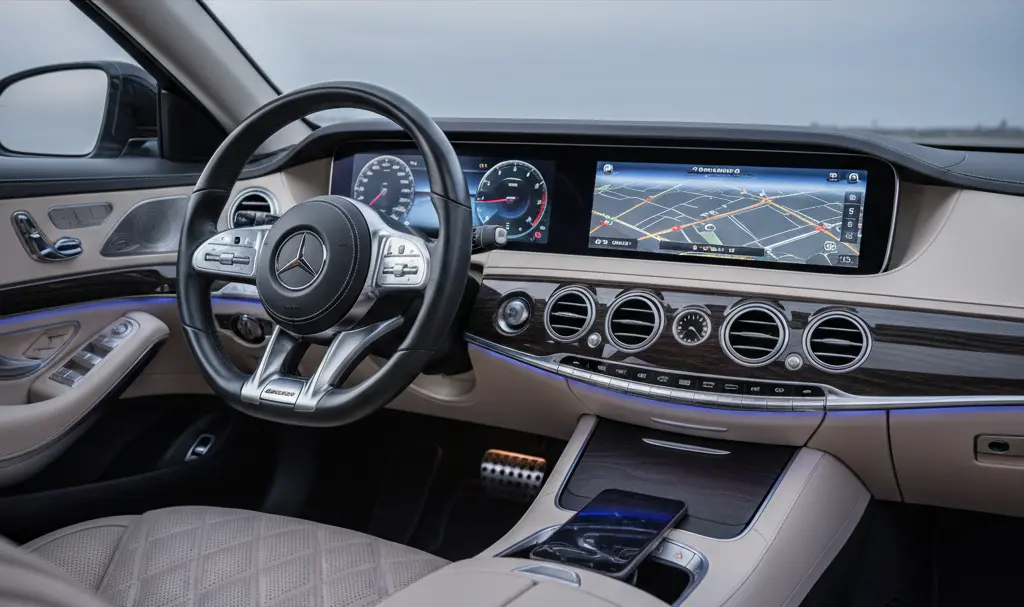
Mercedes-Benz is among several major automotive manufacturers making a significant shift back to physical buttons in their vehicle cabins. After years of replacing traditional controls with expansive touchscreens and haptic panels, the German automaker recognizes that tactile switches remain crucial for driver safety and overall user experience.
This pivot is a direct response to consumer demands. As automotive technology has rapidly advanced, many drivers have expressed frustration with overly complex touchscreen interfaces that require taking their eyes off the road for basic adjustments.
Why the Automaker is Reverting to Tactile Controls
For decades, physical buttons were the unquestioned standard in automotive design, proving highly effective and intuitive. Mercedes-Benz executives are keenly aware of this legacy and have decided to reintroduce this proven solution after a hiatus of several years.
What prompted the automotive giant to reverse its design philosophy? According to Mathias Geisen, a senior executive at Mercedes-Benz, the decision was driven by vocal feedback from the brand’s community. Just as we recently observed in the Toyota Corolla Cross GR Sport test, where facelifts respond directly to customer needs, automakers are learning that user feedback is paramount. While drivers acknowledged that digital, screen-based buttons looked futuristic and sleek, they overwhelmingly agreed that touch interfaces simply cannot compete with the practicality and safety of classic physical buttons.
Which Models Will Get Physical Buttons First?
The transition back to tactile controls will not happen overnight, but the rollout is imminent. The first models to spearhead this great return will be the upcoming generations of the highly popular GLC and C-Class series. These updated vehicles are expected to debut late this year or early next year.
Where Will the Buttons Be Located?
Mercedes-Benz plans to position the new physical controls in key, easily accessible areas:
- The Steering Wheel: Moving away from the heavily criticized capacitive touch sliders, allowing for positive, tactile feedback.
- The Center Console: A dedicated panel located just in front of the wireless charging pads.
Crucially, these physical buttons will not replace the digital ecosystem but will be fully integrated with the vehicle’s multimedia system. With sophisticated in-car technology expanding—such as the emerging integration of ChatGPT and Gemini into Apple CarPlay and Android Auto—having physical shortcuts makes navigating these complex infotainment suites much simpler and safer.
Maintaining Large Displays
Interestingly, Mercedes-Benz does not plan to shrink its massive, trademark infotainment displays to accommodate the new buttons. Unlike some competitors, such as Audi, which may reconsider screen real estate to fit physical controls, Mercedes aims to offer the best of both worlds: expansive digital visuals complemented by ergonomic physical switches.
A Broader Automotive Industry Trend
Mercedes-Benz is not alone in this ergonomic course correction. The wider Volkswagen Group (VAG) has similarly recognized the need to bring back physical controls.

Earlier this year, Volkswagen revealed its upcoming electric concepts—frequently dubbed the electric equivalents to the Polo, such as the ID. 2all—which immediately drew attention for their revised interiors. Volkswagen is introducing a dedicated physical control panel situated directly beneath the multimedia screen. This panel allows drivers to quickly access essential functions, including:
- Adjusting the climate control temperature and fan speed
- Toggling air recirculation
- Activating the rear window defroster
This broader industry shift highlights a growing consensus: while screens are excellent for displaying information and media, physical buttons remain the safest and most efficient way to interact with a vehicle while driving.
Frequently Asked Questions (FAQ)
Why are car manufacturers returning to physical buttons?
Automakers are bringing back physical buttons primarily due to safety concerns and customer feedback. Tactile buttons allow drivers to build muscle memory and adjust settings like climate control or audio volume without taking their eyes off the road, which is often required when using a smooth touchscreen interface.
Will Mercedes-Benz reduce the size of its infotainment screens to fit physical buttons?
No, Mercedes-Benz has stated that it does not intend to shrink its current large digital displays. Instead, the automaker plans to design the interior spaces to accommodate both massive screens and ergonomic physical buttons harmoniously.
Which upcoming Mercedes-Benz models will feature the new physical buttons?
The first models slated to feature the return of physical buttons are the upcoming iterations of the GLC SUV and the C-Class sedan, expected to be revealed between late this year and early next year.
Source: Drive & Opening photo: Gemini
About Post Author
