
Meta’s Latest Move: Transforming Facebook and Instagram Reels into Shopping Powerhouses
Meta is taking a significant step forward in monetizing its vast social media platforms, Facebook and Instagram. The company is introducing innovative, clickable shopping links directly within posts and particularly in its short-form video feature, Reels. This strategic enhancement is designed to turn these popular content formats into highly lucrative video channels, offering new avenues for creators to generate income. However, this raises an important question: how much more advertising and intrusive sales content can users truly tolerate before their experience is negatively impacted?
Meta Intensifies Its Advertising Strategy
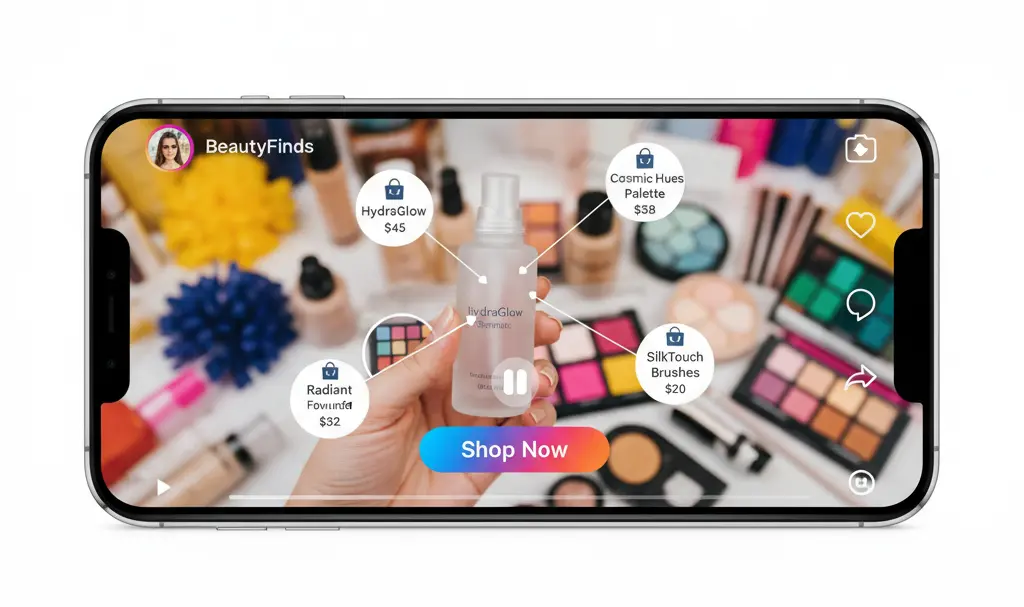
Meta is rolling out advanced shopping solutions across Facebook and Instagram, effectively transforming ordinary content into miniature storefronts. This initiative empowers creators to tag specific products and brands directly within their posts and Reels. Notably, interactive elements featuring a direct link to a purchase page will now appear prominently above the profile name, streamlining the path from discovery to transaction.
A core component of this shift is Meta’s strong emphasis on affiliate marketing. Through programs like “Meta Affiliate Partnerships,” content creators can earn commissions by recommending products from a curated selection of selling platforms. This model eliminates the need for creators to establish their own e-commerce stores or complex sales funnels, simplifying the monetization process. This expansion aligns with Meta’s broader corporate strategy to tightly integrate social media with e-commerce, aiming to keep users within its applications for longer periods and enhance their shopping journey.
From “Link in Bio” to In-App Purchases
Gone are the days of relying solely on a classic “link in bio” or external link-shortening services. The entire purchasing journey—from discovering a product to completing the transaction—is now being consolidated within the Facebook or Instagram ecosystem. This benefits various stakeholders:
- E-commerce Partners: Major global e-commerce platforms and marketplaces stand to gain increased sales volume.
- Creators and Publishers: They will earn commissions on product sales generated through items tagged in their content.
While Meta itself doesn’t currently take a direct commission on these sales, the company reaps a different, equally valuable reward. By facilitating these transactions, Meta gains access to a wealth of precious user purchasing behavior data. This data is crucial for further refining its advertising systems and developing more targeted marketing strategies, ultimately enhancing its value proposition to advertisers.
How New Shopping Links in Reels Function
The most significant innovation arriving with this update is the integration of clickable shopping links directly into Reels. Meta now allows creators to include up to 30 distinct products within a single short video. This transforms the concise video format into a comprehensive, interactive product showcase. When a user taps on a tagged product, they will instantly see essential product information and then be seamlessly redirected to the product page on the store’s website, an affiliate partner’s site, or a marketplace.
A New Income Stream for Creators
For digital creators, this represents a tangible opportunity for a new revenue stream. Meta is actively testing affiliate programs where influencers, product reviewers, and vloggers can earn commissions from sales generated through links embedded in their content. This means that every gadget review, fashion styling video, or product recommendation clip can now become a direct source of income, rather than merely serving as a prelude to an individual brand sponsorship deal. By doing so, Meta is directly competing with platforms like TikTok and YouTube Shorts in the burgeoning social commerce space, aiming to keep users engaged in discovering and purchasing products without ever leaving its applications.
User Acceptance: How Much Is Too Much Advertising?
From the perspective of a regular user, Facebook and Instagram are poised to become even more saturated with advertisements. The introduction of new shopping links in Reels, additional product tags, price bubbles, and direct links to marketplaces will make it increasingly challenging to avoid sales-oriented content. What might initially appear as neutral reviews, helpful tutorials, or personal vlogs will, in practice, function as yet another form of advertising.
Coupled with other algorithmic changes—such as the limitation of organic reach for standard posts containing external links and the preferential promotion of sponsored content—the user feed is increasingly resembling a digital billboard rather than a traditional social networking service. This shift raises concerns about content authenticity and the overall user experience, as the line between organic content and commercial promotion blurs further.
Beyond Reels: The “Buy Now” Button
These shopping links are not the only significant update. Another key feature is the new “Buy Now” button, designed to appear in advertisements. This button dramatically shortens the path from ad view to purchase, requiring just a single click. Users can finalize their transaction without ever leaving the Meta ecosystem, with the order processing and fulfillment handled by the seller’s chosen payment and logistics partner.
For brands, this signifies an even deeper integration of sales activities with social media marketing campaigns. For Meta, this represents a substantial opportunity to capture a larger share of advertising and affiliate budgets, all without formally adopting the role of a traditional online retailer.
Frequently Asked Questions (FAQ)
What are the main new shopping features Meta is introducing?
Meta is rolling out clickable shopping links directly in Facebook and Instagram posts and Reels, allowing creators to tag products. They are also emphasizing affiliate partnerships, enabling creators to earn commissions, and introducing a “Buy Now” button for direct purchases within the Meta ecosystem.
How do these changes benefit content creators?
Creators gain new direct monetization opportunities. Instead of just brand deals, they can earn commissions on product sales generated through their tagged content. This turns reviews, styling videos, and recommendations into direct revenue streams through Meta’s affiliate programs.
What is “social commerce” and how does Meta fit into it?
Social commerce is the act of selling products directly through social media platforms. Meta is actively investing in this by making the entire shopping journey – from product discovery to purchase – happen within its apps, competing with platforms like TikTok and YouTube Shorts in creating a seamless in-app shopping experience.
What are the potential drawbacks of these new features for users?
Users may experience an increased saturation of advertisements and sales content, making it harder to distinguish between organic and promotional material. The feed could become more commerce-driven, potentially impacting the traditional social networking experience and raising concerns about content authenticity.
How might Meta balance its aggressive monetization strategy with maintaining user satisfaction and platform integrity?
This is a critical challenge for Meta. While these new features offer significant revenue potential, an excessive focus on monetization without considering user experience could lead to user fatigue and platform abandonment. Meta will likely need to refine its algorithms to ensure a balance between commercial content and authentic social interaction, potentially by offering more transparent labeling of sponsored content, providing user controls for ad preferences, and continuously monitoring engagement metrics to avoid alienating its user base.
Source: Instagram, RetailBrew, Techtimes, Verge. Opening photo: itchaznong / Adobe Stock
About Post Author
