

Contents

The AI Music Tidal Wave: How Artificial Intelligence is Reshaping Streaming Platforms
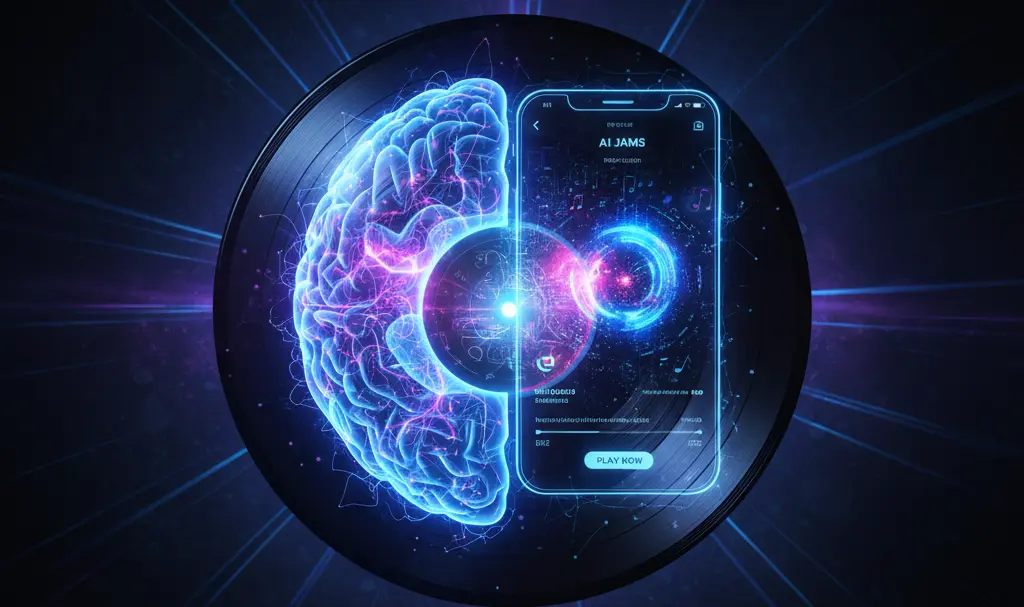
Artificial intelligence is boldly entering the music world, but not everyone is welcoming it with open arms. Recent data from the popular streaming service Deezer reveals that the scale of AI-generated music is growing at an unprecedented pace, raising serious concerns about the future of traditional human creators.

The Avalanche of AI Music and Growing Controversies
The numbers behind the AI music revolution are staggering. Deezer recently reported that approximately 75,000 AI-generated tracks are uploaded to its platform every single day. To put this into perspective, this accounts for a massive 44% of all new publications. This means that nearly every second new track hitting the platform is created entirely without human intervention.
This trend has accelerated dramatically over the past year. Today, over 2 million AI tracks are being generated and uploaded monthly. As powerful tools continue to evolve—such as the Suno AI music generator with its advanced voice personalization capabilities—the output is only expected to multiply. For many industry observers, this is a glaring red flag. Traditional artists are expressing growing fears that they will simply be drowned out by the sheer volume of mass-produced, algorithm-driven music.
“Deezer reports that 44% of all new music tracks uploaded to its platform each day are now fully AI-generated. That equals about 75,000 new AI tracks appearing every single day, or more than 2 million each month.”
Transparency vs. The Survival of Human Artists
In response to the overwhelming influx of synthetic music, streaming platforms are attempting to adapt. Deezer has emphasized that it is actively deploying detection tools to identify and flag AI-generated audio. Furthermore, the platform has begun limiting the influence of AI tracks on user recommendation algorithms. However, these measures only address the symptoms, not the root problem: the sheer scale of the phenomenon and its long-term consequences for the music industry as a whole.
Research cited by Deezer brings another alarming statistic to light:
- 97% of listeners cannot distinguish between music created by a human and audio generated by an algorithm.
- This means a vast majority of the audience is unknowingly consuming synthetic content that lacks traditional creative effort.
Despite this inability to tell the difference, the majority of surveyed listeners strongly believe that AI-generated tracks should be clearly labeled. This highlights a growing consumer demand for transparency and exposes an underlying discomfort with artificial intelligence creeping into creative spaces. For many listeners and performers alike, this taps into a deeper AI authenticity dilemma, where the true value of art is intimately tied to human emotion and imperfection.
What Does the Future Hold for the Music Market?
The pressing question is whether the music industry can keep pace with this rapid technological shift. It is no longer a matter of if, but when. AI-generated music is quickly transitioning from a fleeting technological curiosity to a dominant market force that could irrevocably alter the landscape of the global music streaming industry.
Frequently Asked Questions (FAQ)
How are streaming platforms identifying and managing the influx of AI-generated music?
Platforms are implementing advanced audio detection algorithms to flag synthetic tracks. To protect human artists, services are introducing mandatory labeling for AI music and deliberately reducing its visibility within algorithmic recommendation feeds and curated playlists.
Will AI music completely replace human artists on streaming services?
While AI tracks currently account for a significant percentage of daily new uploads (up to 44% on some platforms), they are unlikely to replace human artists entirely. Consumer research shows a strong demand for transparency and authentic human artistry, pushing the industry to prioritize and protect genuine creative works over mass-produced synthetic audio.
Source: Deezer / Press release, independent research.
Opening photo: Gemini
About Post Author
