

Contents
Norway Weighs Potential Ban on Smart Glasses Over Privacy Concerns
The future of smart glasses, hailed as a revolutionary step in wearable technology, faces a significant hurdle in at least one European nation. Norway is actively exploring the possibility of restricting or even banning these devices, driven by a strong desire to bolster its citizens’ privacy in an increasingly digitized world.
Norway’s Proactive Approach to Digital Privacy
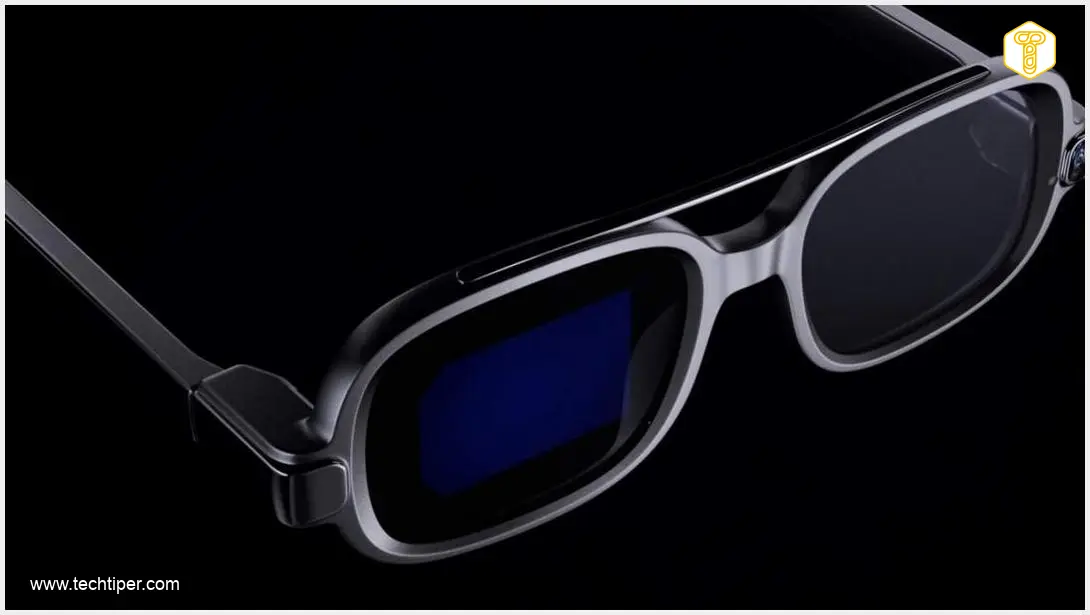
Smart glasses are rapidly emerging as a fascinating new category in consumer electronics. Tech giants like Google have recently showcased their innovations in this space, while collaborations such as the one between Ray-Ban and Meta have already brought stylish, connected eyewear to the market. These devices often integrate cameras, microphones, and advanced sensors, offering users a blend of digital information overlayed onto their physical environment, hands-free communication, and discreet recording capabilities.
However, the rapid advancement of smart glasses has also ignited a global debate about privacy. The Norwegian government has positioned itself among the proponents of stricter controls, currently developing regulations that could significantly impact the distribution and use of smart glasses within its borders. This initiative stems directly from concerns raised by civil rights advocates who point to the genuine threat these devices pose to individual privacy.
Karianne Tung, Norway’s Minister of Digitalization, has highlighted the pervasive integration of artificial intelligence into everyday attire. From caps and headphones to smart glasses themselves, AI-powered wearables are becoming common. This trend, she notes, inadvertently simplifies the monitoring of individuals in public spaces—a practice Norwegians are keen to limit. The potential for discreet recording, real-time data collection, and even facial recognition without explicit consent raises significant ethical and legal questions.
To navigate this complex landscape, Minister Tung plans to establish a dedicated team of experts. This group will be tasked with thoroughly evaluating the implications of smart glasses and proposing the most effective path forward. Their recommendations will be pivotal in shaping the final regulatory framework for these devices in Norway.
For more insights into protecting personal data in the digital age, you might find our article on preventing smartphone listening and microphone privacy insightful.
The Growing Debate: Innovation vs. Privacy
The discussion around smart glasses exemplifies the broader challenge of balancing technological innovation with fundamental privacy rights. While these devices offer convenience and enhanced capabilities, the ease with which they can record interactions or gather data about individuals unknowingly is a primary concern. Critics argue that this constant potential for surveillance erodes public trust and individual autonomy.
The debate extends to how society will adapt to pervasive AI in our daily lives. Will AI transform our interactions, or will it lead to new forms of regulation and social norms? Explore more about this in our discussion on whether apps will disappear in the AI revolution.
Innovating Against Surveillance: A Smart Glass Detector
Despite ongoing debates and potential restrictions, smart glasses like the Ray-Ban Stories (co-created with Meta) have been available to consumers for some time. Interestingly, a counter-innovation has emerged for Android smartphone users: an application designed to detect these very devices.

Yves Jeanrenaud, from Germany’s Darmstadt University of Applied Sciences, developed this “radar” for smart glasses. The application, named “Nearby Glasses,” operates by scanning its surroundings for Bluetooth Low Energy (BLE) signals. It then cross-references these signals with known manufacturer identifiers associated with specific smart glass models. This allows users to potentially identify when smart glasses are present in their vicinity.
Jeanrenaud acknowledges that while “Nearby Glasses” is not yet perfect, its current functionality provides a sense of security for those concerned about discreet recording. For many, simply having a tool to detect potential surveillance devices fulfills a crucial need for peace of mind.
Frequently Asked Questions (FAQ)
Norway is exploring regulations or a potential ban on smart glasses primarily due to privacy concerns. The government and civil rights advocates are worried about the ability of these AI-powered wearables to discreetly record individuals, collect data, and potentially facilitate public monitoring without consent, thereby infringing on citizens’ privacy rights.
The primary privacy concerns include the always-on potential of cameras and microphones for discreet audio and video recording, real-time data collection about individuals and environments, and the future integration of advanced features like facial recognition. These capabilities raise fears about surveillance, lack of consent, and the erosion of personal privacy in public and private spaces.
A ban or strict regulation, like the one Norway is considering, could have a dual impact. On one hand, it might slow down the adoption and development of smart glass technology in that specific market, potentially limiting innovation driven by consumer demand. On the other hand, it could also spur innovation in privacy-by-design features, encouraging manufacturers to develop smart glasses with stronger privacy safeguards and transparent usage indicators to meet regulatory requirements and consumer trust. It could also set a precedent for other nations, influencing global tech policy and product development towards more privacy-conscious designs.
Source: TechCrunch
Opening photo: Xiaomi / Press materials
About Post Author
