

Contents
The Future of Home Lighting: OLED vs. LED
For many years, LED bulbs have been the undisputed champion for anyone seeking energy-efficient and effective lighting solutions. However, the landscape of home illumination is on the cusp of a significant transformation. Soon, those furnishing new homes or upgrading existing lighting systems may face a choice as pivotal as selecting a new television: LED or OLED.
OLED vs. LED Lighting: Understanding the Difference
While both LED (Light Emitting Diode) and OLED (Organic Light Emitting Diode) technologies are celebrated for their energy efficiency, their fundamental operation and the quality of light they produce differ significantly. LEDs are point sources of light, often requiring diffusers to spread their illumination. OLEDs, on the other hand, are emissive displays made from organic compounds that produce light when an electric current is applied, allowing for thin, flexible, and uniformly glowing panels.
Advantages of OLED Lighting
While OLED panels in premium televisions have sometimes faced scrutiny over “burn-in” issues—where static images can leave faint, permanent imprints—OLED technology applied to general room lighting is engineered differently and is expected to be more robust and kinder to the eyes. Here are the key benefits:
- Natural Light Quality: OLED lights emit a soft, diffuse light that closely mimics natural daylight, creating a more comfortable and inviting ambiance in any space. This contrasts with the often harsher, directional light from many LED sources.
- Reduced Eye Strain: A significant advantage of OLED lighting is the absence of flicker. Traditional LED lights, even those marketed as “flicker-free,” can sometimes have imperceptible flickering that contributes to eye fatigue, headaches, and discomfort for sensitive individuals. OLED’s continuous light emission eliminates this problem.
- Low Heat Emission and Energy Efficiency: OLED panels operate at lower temperatures, leading to less energy wasted as heat. While top-tier LEDs currently boast impressive longevity, OLED’s inherent efficiency in light production holds great promise for future energy savings.
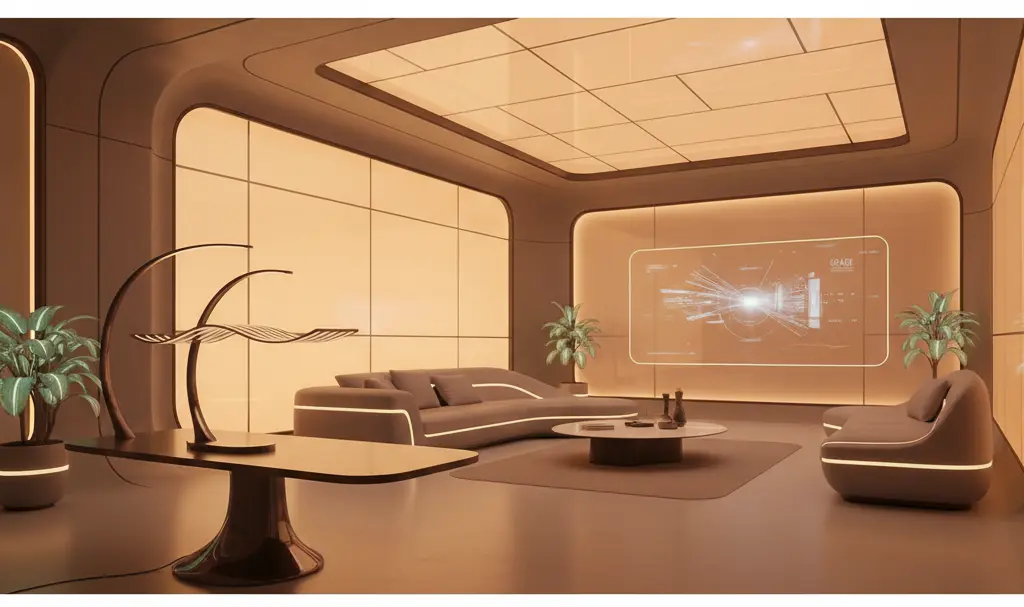
- Unparalleled Design Flexibility: Unlike traditional bulbs, OLEDs are not confined to a singular form factor. They can be incredibly thin, flexible, and transparent, opening up revolutionary possibilities for architectural and decorative lighting. Imagine light sources integrated seamlessly into walls, ceilings, or even furniture.
A typical OLED panel can provide consistent illumination for up to 5 years. It’s important to note that the best LED solutions currently offer superior longevity and energy efficiency. However, rapid advancements in OLED technology suggest this dynamic could shift dramatically in the coming years, potentially reversing the roles of efficiency leaders.
Is OLED Lighting Right for You Today?
Let’s be clear: currently, OLED lighting largely resides in the premium segment of the market. Its adoption is primarily seen in high-end apartment complexes, luxury homes, and modern office spaces. The transition to mainstream consumer homes typically occurs as manufacturing costs decrease and technology becomes more accessible.
For instance, acquiring a pendant OLED lamp from a high-quality European manufacturer (such as OMLED) can cost upwards of $1,200. This price point understandably deters many consumers accustomed to inexpensive LED bulbs. Even desk lamps utilizing OLED technology are not cheap, often approaching prices around $1,000.
OLED lighting technology has been available since the early 2020s, steadily evolving and improving since its initial introduction.
Seamless Smart Home Integration
Just like their LED counterparts, OLED lights are fully compatible with smart home ecosystems. This means leading integrated lighting manufacturers, like Philips or Govee, could soon incorporate OLED technology into more sophisticated and ambitious lighting configurations, provided production costs continue their downward trend. The ability to control brightness, color temperature, and even patterns through smart devices will only enhance the appeal of OLED lighting as it becomes more widespread.
The Road Ahead
The trajectory of OLED lighting mirrors that of many cutting-edge technologies: initially expensive and niche, but with immense potential for broader adoption as efficiency improves and costs decline. As research and development continue, OLED could very well redefine our expectations for indoor lighting, offering not just illumination, but an enhanced living experience through superior light quality and design innovation.
Frequently Asked Questions (FAQ)
What is the main difference between LED and OLED lighting?
LEDs are typically point sources of light (diodes) that produce light, often requiring diffusers. OLEDs, or Organic Light Emitting Diodes, use thin sheets of organic material that glow uniformly when an electric current passes through them, offering a more diffuse and natural light spread.
Is OLED lighting better for your eyes than LED?
Yes, a significant advantage of OLED lighting is the absence of flicker. Many LED lights, even if imperceptible, can have a slight flicker that contributes to eye strain, fatigue, and discomfort for some individuals. OLED’s continuous light emission provides a gentler, more comfortable illumination.
How long do OLED lights last compared to LEDs?
Currently, the best LED solutions generally offer superior longevity compared to OLED lighting, which typically provides consistent illumination for up to 5 years. However, OLED technology is rapidly advancing, and its lifespan and efficiency are expected to improve significantly in the coming years.
Why is OLED lighting so expensive?
OLED lighting is a newer, more complex technology to manufacture compared to traditional LEDs. The production processes and specialized materials contribute to higher costs, placing it in the premium market segment. As manufacturing scales up and technology matures, prices are expected to decrease.
Can OLED lighting be integrated into smart home systems?
Absolutely. Like modern LED lighting, OLED lights can be fully integrated into existing smart home ecosystems, allowing users to control them via apps, voice commands, and automated routines. This offers flexibility in adjusting brightness, color temperature, and dynamic lighting effects.
Source: Money.it. Opening photo: Generated by Gemini
About Post Author
