
Contents
One UI Watch on Wear OS Finally Beats watchOS: Years of Struggle Culminate in Success
For years, I believed Wear OS was a system with immense potential but unfortunate luck. It primarily lacked stability and genuine support from Google. Yet, at a certain point, Samsung and Google collaborated to make it truly usable. In 2026, after many years of updates, I can now state something that would have sounded like a joke in 2020: One UI Watch on Wear OS genuinely surpasses watchOS.
The Rocky History of Wear OS on My Wrist
Wear OS—formerly Android Wear—was designed from the outset to be an extension of the smartphone. However, it lacked the tools to realize this vision. Google created a platform intended to be open, flexible, and appealing to manufacturers, but in practice, it was a patchwork of compromises.
Early smartwatches running the system were slow, applications were often useless, and the interface felt as if it were designed by a team that had never worn a smartwatch. This frustrating state of affairs persisted for years.
A Skeptical Past: The “Dead” Wear OS
The much-maligned watchOS from Apple is now almost perfect, offering users significantly more than Google’s meager system. I fear that nothing will change this anytime soon, not even the release of a new processor.
— Adam Lulek, article from July 2019
The primary issue for Wear OS at the time was the lack of support from tech giants. “Weak” processors struggled with the demanding software, and manufacturers often included insufficient RAM. Furthermore, no brand emerged to attract users with high-quality devices or build an ecosystem to propel the platform forward. Brands like Fossil, which released Wear OS smartwatches, couldn’t create the necessary momentum.
Samsung’s Intervention: A Game Changer
It wasn’t until Samsung—returning to Wear OS after years of focusing on Tizen—introduced what had been missing from the start: consistency, a clear vision, and substantial hardware resources. The Galaxy Watch4 transformed how Wear OS was perceived. This shift was largely thanks to the One UI Watch overlay and the dedicated support of a tech giant genuinely committed to succeeding in such a vital market.
One UI Watch Today: A System That Finally Makes Sense
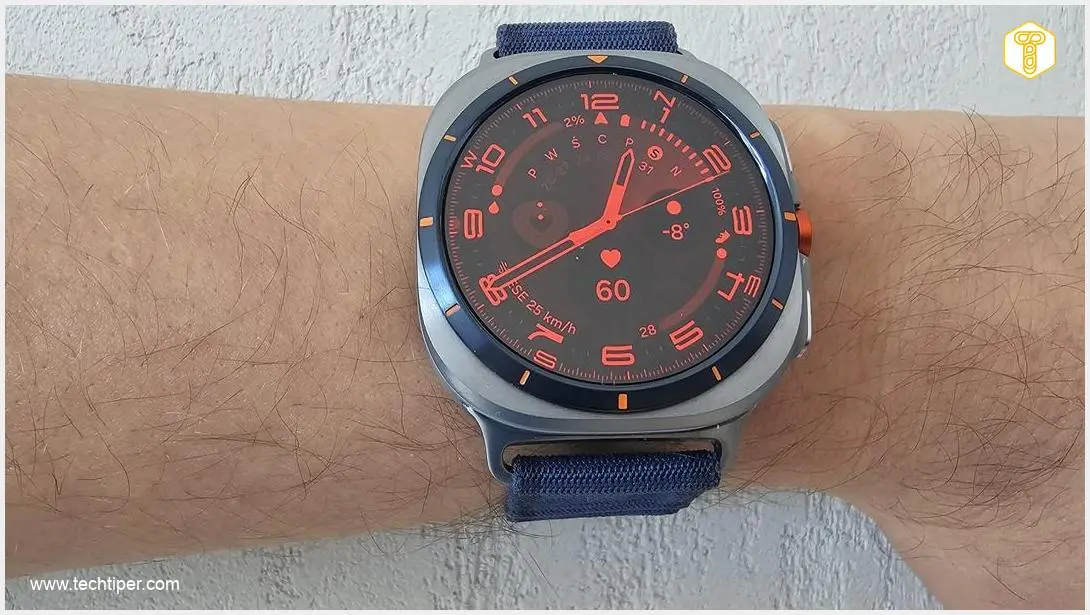
Today’s One UI Watch is a completely different story. Samsung not only streamlined the interface but also infused it with character. Galaxy smartwatches no longer feel like devices born from random Google ideas; instead, they resemble a cohesive part of the One UI ecosystem.
The interface is fast, predictable, and logical. Animations are fluid, and switching between applications no longer feels like a race against time (which was once a truly dreadful experience).
Crucially, One UI Watch no longer attempts to merely imitate watchOS. It doesn’t copy Apple, nor does it desperately try to catch up or be a “worse version of the same thing.” Samsung has forged its own philosophy—one that is more visual, more configurable, and more “Android-like” in the best sense of the word.
It’s a system that offers users choice without overwhelming them with chaos. After the latest update, One UI Watch looks remarkably clean, yet remains colorful and visually appealing.
Fitness and Health: Nothing to Be Ashamed Of
For years, fitness was Wear OS’s Achilles’ heel. Apple Watch dominated, Garmin held its niche, and Wear OS… well, Wear OS had a pedometer and a rather basic Google Fit application. Today, the situation is vastly different, especially with One UI.
Samsung Health has evolved into one of the most comprehensive health monitoring tools available. The summaries it provides are original, presenting three levels of user engagement in a heart-shaped visualization. Moreover, the companion phone application seamlessly expands upon the information visible on the watch. Once again, Samsung doesn’t copy Apple here; instead, it matches watchOS’s comprehensive summaries with its own unique style.
Personalization and Interface: An Edge Apple Lacks and Will Continue to Lack
One of One UI Watch’s most significant advantages is its personalization. Apple Watch is excellent but remains a closed system. Samsung empowers users with a freedom that allows them to tailor screens to their precise needs.
This is particularly evident in the latest One UI Watch update. The interface offers numerous options for configuring tiles and their content. Editing these is more flexible than in watchOS, allowing users to rearrange tile layouts and even place multiple widgets on a single tile.
A few years ago, this area was cumbersome and slow. Now, it’s where Wear OS truly demonstrates its maturity. It’s no longer a system that sacrifices stability for freedom. Instead, it offers freedom within a exceptionally well-designed structure. This difference is palpable during use, especially when searching for desired functions within One UI Watch.
Google Services and AI: An Invaluable Advantage
For years, the Google Play Store on smartwatches was a place rarely visited. Today, the situation is entirely different. There are more applications, they are better updated, and integration with the phone works flawlessly.
Services like Spotify, Google Maps, and WhatsApp all function natively, quickly, and stably. The support for Google applications, such as the aforementioned Maps, Wallet, and especially Gemini, is invaluable.
It is this latter feature, Gemini, that gives One UI Watch on Wear OS a tremendous advantage over watchOS. It’s no longer an assistant that responds with half-answers and pretends to understand context. On the smartwatch, it operates surprisingly naturally and without any hitches. This specific feature has made the smartwatch significantly more useful for me when I need to quickly check something without pulling my phone out of my pocket.
Years of Endeavor Conclude in Success
It’s clear that Samsung and Google have begun to take Wear OS seriously. The growing number of users demonstrates to these companies that the platform now makes business sense, indicating that it will continue to evolve. The recent debut of Gemini, among other developments, serves as testament to this commitment.
These technological giants have shown that by pursuing their own path, they can create an even better wearable ecosystem than what Apple has offered for years. A decade ago, this seemed impossible, but today I look at One UI Watch and Wear OS with admiration and eagerly anticipate their future.
Frequently Asked Questions (FAQ)
How has Wear OS evolved over the past few years?
Wear OS, initially plagued by instability, slow performance, and a lack of support, has undergone a significant transformation. Through a strong collaboration between Samsung and Google, particularly with the introduction of One UI Watch and improved hardware, it has become a stable, fast, and highly functional smartwatch operating system.
What role did Samsung play in the resurgence of Wear OS?
Samsung’s return to Wear OS with the Galaxy Watch4 and its custom One UI Watch overlay was a critical turning point. Samsung brought consistency, a clear vision, and robust hardware resources that were previously missing. This partnership provided the much-needed optimization and ecosystem integration, dramatically improving user experience and platform perception.
What are the key advantages of One UI Watch over watchOS?
One UI Watch offers significant advantages in personalization, a more open and customizable interface (e.g., flexible tile layouts, multiple widgets per tile), and robust integration of Google services including an advanced AI assistant like Gemini. Its health tracking through Samsung Health is comprehensive and uniquely presented, often outperforming watchOS in user choice and customization options.
How does Gemini enhance the Wear OS experience on One UI Watch?
Gemini on One UI Watch provides a highly natural, responsive, and context-aware AI assistant experience directly from the wrist. Unlike previous voice assistants on smartwatches, Gemini works seamlessly and without lag, making it exceptionally useful for quickly checking information or performing tasks without needing to pull out a smartphone.
Source: Self-developed, Opening photo: Adam Lulek
About Post Author
