
Contents
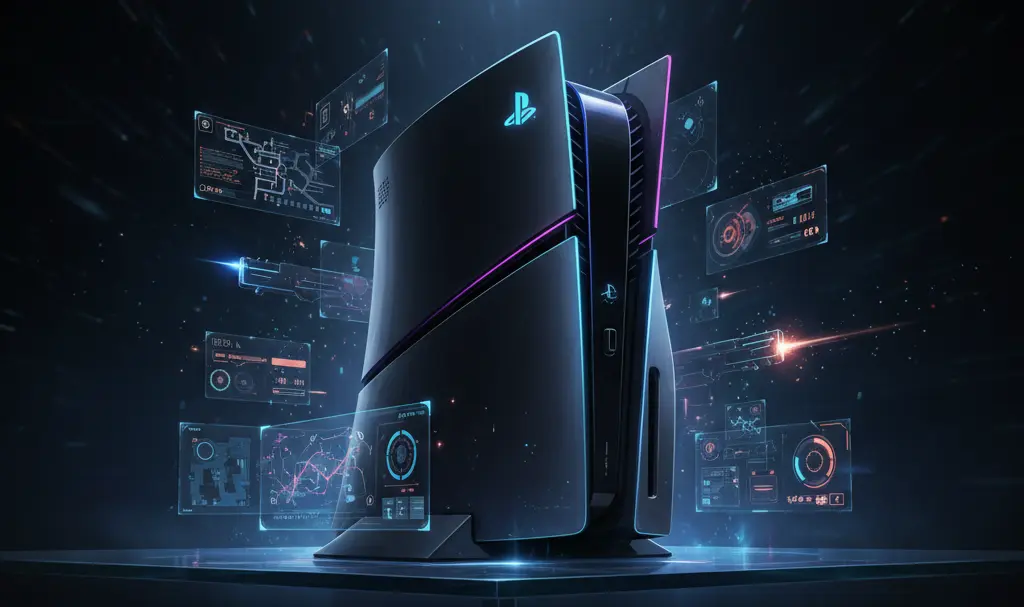
PlayStation 6: An Early Look at Production Costs and Market Strategy
The PlayStation 6 is already a hot topic among gamers keenly anticipating the next generation of console technology. While official details from Sony remain under wraps, an initial estimate for the console’s production cost has emerged from a reliable industry source, offering a glimpse into what its retail price might entail. The big question remains: what strategy will Sony adopt for its next flagship console?
Unpacking the Production Cost of the PlayStation 6
According to KeplerL2, a well-known insider in the gaming hardware sector, the estimated production cost for a single PlayStation 6 unit currently stands at approximately $760 USD. This figure, while significant, is a crucial data point as Sony plans its market positioning for the console.
This early estimate provides context for potential retail pricing strategies. Understanding the cost of manufacturing is the first step in predicting how the console will be priced to consumers, considering profit margins, market demand, and competition.
The Evolving Console Pricing Landscape
This production cost appears relatively modest when considering the general trend of increasing console prices. The current generation has seen significant price adjustments, and more are anticipated. For instance, reports indicate that from April 2, 2026, consumers can expect further price hikes across the PlayStation lineup.
The PlayStation 5 Pro, for example, is reportedly nearing an equivalent of €899 (approximately $970 USD). Even the base PlayStation 5 digital edition is now priced around €599 (approximately $645 USD), with the disc drive version at €649 (approximately $700 USD). This upward trend in pricing sets a precedent for what consumers might expect for the PlayStation 6. You can read more about the PlayStation 5 price increases here.
Sony’s Strategic Dilemma: Pricing the PlayStation 6
The ultimate retail price of the PlayStation 6 will largely depend on Sony’s overarching strategy for the next console generation. There are two primary paths the company could pursue:
Option 1: A More Accessible Price Point
- A relatively lower launch price could encourage a wider adoption rate, allowing more players to embrace the new platform quickly.
- This strategy often aims to build a large install base, which then drives revenue through digital game sales and subscriptions. Sony typically earns a 30% commission from every digital purchase made through its PlayStation Store.
- By potentially selling the hardware at a reduced profit margin, or even a slight loss initially, Sony could secure long-term profitability from its robust ecosystem of games and services.
Option 2: A Premium Price for Enhanced Profitability
- Alternatively, Sony might opt for a higher price on shelves, ensuring profitability from each console sold.
- The current generation has demonstrated that consumers are often willing to pay premium prices, and the days of significant console price drops over time appear to be largely over.
- Gamers, concerned about future price increases, might be compelled to purchase the PlayStation 6 even at a higher initial cost, potentially around €999 (approximately $1075 USD). This reflects a market where waiting for promotions is less viable, and early adoption is a way to “lock in” a price before potential further hikes. This trend is also evident with anticipated titles like GTA 6, where console upgrades are becoming a significant factor. Learn more about the console upgrade trend in anticipation of games like GTA 6.
PlayStation 6: Expected Release Window and Speculated Features
Despite earlier reports, current industry whispers suggest the PlayStation 6 could hit the market towards the end of 2027. While official specifications are still under wraps, several key features are being speculated:
- Advanced Graphics Technologies: The console is rumored to support cutting-edge technologies like AI-powered Frame Generation, which can intelligently create additional frames to enhance visual smoothness and responsiveness.
- AMD FSR 4 Upscaling: Integration of AMD’s next-generation FidelityFX Super Resolution 4 (FSR 4) upscaling technology is also anticipated, aiming to deliver higher resolutions with improved performance.
- Extensive Backward Compatibility: Crucially, the PlayStation 6 is expected to offer full backward compatibility with titles from both the PlayStation 5 Pro and PlayStation 4 Pro, ensuring players can carry their existing game libraries forward.
- Exclusive Game Lineup: As with previous generations, Sony will undoubtedly leverage a strong roster of exclusive titles to entice players to upgrade to the new hardware, showcasing the console’s unique capabilities.
The PlayStation 6 is poised to be a significant leap forward in gaming technology. However, its ultimate success will hinge on Sony’s strategic decisions regarding pricing and market positioning in a rapidly evolving industry.
Frequently Asked Questions (FAQ)
What is the estimated production cost of the PlayStation 6?
According to industry insider KeplerL2, the estimated production cost for a single PlayStation 6 unit is approximately $760 USD. This figure is a preliminary estimate and does not include distribution, marketing, or retail markups.
When is the PlayStation 6 expected to be released?
While earlier reports varied, current rumors suggest the PlayStation 6 is expected to be released towards the end of 2027. Official confirmation from Sony is still pending.
Will the PlayStation 6 be backward compatible with previous generations?
Yes, it is highly anticipated that the PlayStation 6 will offer extensive backward compatibility, supporting titles from both the PlayStation 5 Pro and PlayStation 4 Pro, allowing players to access their existing game libraries on the new console.
Source: KeplerL2 / NeoGAF. Opening photo: Gemini
About Post Author
