Contents
Samsung Flagship Smartphones Facing Significant Price Increases
Unsettling news is emerging from Samsung’s camp: the South Korean technology giant is reportedly gearing up to implement price increases for its flagship smartphones. These adjustments are initially slated to take effect in the Greek market starting June 1, 2026. While the immediate impact is localized, there’s a growing concern that Samsung might extend similar price hikes to other countries in the future.
Upcoming Price Adjustments for Samsung’s Elite Devices
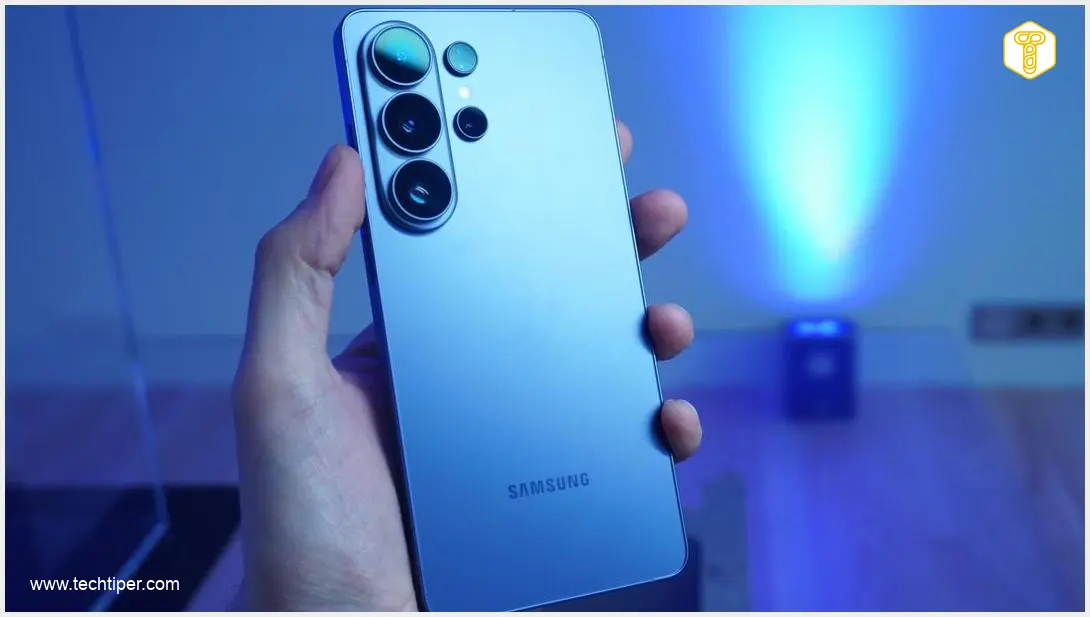
Effective June 1, 2026, Samsung is expected to introduce a revised pricing structure for several of its top-tier smartphones in Greece. The list of devices set to become more expensive includes highly anticipated models such as the Galaxy S26 series, the Galaxy Z Fold 7, the Galaxy Z Flip 7, and the Galaxy FE phones.
So, what kind of price increases are we talking about? Current speculations suggest that consumers might have to pay an additional cost of up to 100 Euros for a single unit. It’s important to note, however, that this figure typically applies to the base versions of these devices. For variants offering greater storage capacity, the price adjustments could be even more substantial, leading to a more noticeable impact on consumers’ wallets.
A Wider European and Global Concern
There’s a strong possibility that these changes won’t be confined to Greece. Similar price revisions could eventually extend to other nations across Europe. This would be particularly unwelcome news, especially considering that the European market has already experienced price increases ranging from 50 to 80 Euros not long ago. Furthermore, consumers in the Americas are also having to contend with their own share of price adjustments in the smartphone market.
The Root Cause: Global RAM Crisis and AI Demand
The primary driver behind these global smartphone price increases stems from an ongoing worldwide crisis in the RAM (Random Access Memory) market, which has been impacting the technology sector since late last year. The rapid development and expansion of AI infrastructure are largely to blame, as they demand an immense quantity of semiconductors, straining existing supply chains.
This unprecedented demand has created a domino effect, pushing up the cost of vital components. This affects not only consumer models but also specialized versions like the Samsung Galaxy S26 Enterprise Edition, which rely on similar component supply chains.
Not Just Samsung: Industry-Wide Price Trends
Given the circumstances, Samsung is not the only smartphone manufacturer compelled to revise its pricing. Numerous other prominent Chinese companies, including Xiaomi, vivo, OnePlus, and OPPO, have faced similar challenges and implemented price changes. In a more optimistic scenario, market prices are anticipated to stabilize around mid-2027, offering a glimmer of hope for consumers and manufacturers alike.
Frequently Asked Questions (FAQ)
Why are Samsung phone prices increasing now?
The primary reason for the anticipated price increases is a global crisis in the RAM (Random Access Memory) market. This shortage is largely driven by the surging demand for semiconductors to support the rapid development of AI infrastructure worldwide.

Which Samsung models are affected by these price hikes?
The initial price adjustments, starting in Greece, are expected to affect flagship models such as the Galaxy S26 series, Galaxy Z Fold 7, Galaxy Z Flip 7, and Galaxy FE phones. Higher storage variants may see more significant increases.
Is this price increase only happening in Greece?
While the initial reports indicate price changes for the Greek market, there is a strong possibility that Samsung, and other manufacturers, may extend similar adjustments to other European countries and potentially globally due to the widespread nature of the RAM crisis.
How long is the global RAM crisis expected to last, and what does it mean for future smartphone prices?
The global RAM crisis has been ongoing since late last year, driven by high demand from AI infrastructure. Experts optimistically forecast that market prices for components, and consequently smartphones, could stabilize around mid-2027. Until then, consumers may continue to see fluctuating or elevated prices for new devices.
Source: Android Authority. Opening photo: Krzysztof Rojek
About Post Author