Contents
Samsung Galaxy S26 Series Elevates Mobile Payments with Innovative Dual NFC Antenna
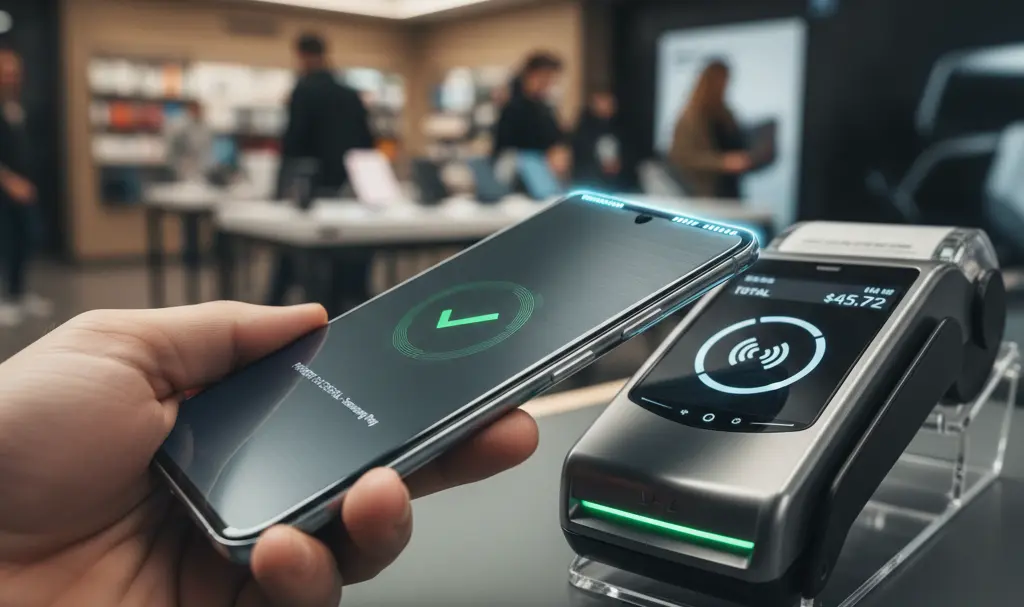
The highly anticipated launch of the Samsung Galaxy S26 series has brought a suite of impressive advancements, and among them is a significant upgrade to mobile payment capabilities. This enhancement, while a seemingly minor technical adjustment, promises to revolutionize how users interact with contactless payment systems.
Enhanced Mobile Payments on Galaxy S26: A Game Changer
The late February unveiling of the Samsung Galaxy S26, S26+, and S26 Ultra models introduced a particularly noteworthy innovation that many users might not immediately recognize: the integration of an additional Near Field Communication (NFC) antenna.
What’s New with NFC?
Traditionally, NFC antennas are placed in a single location, often at the back of the device. However, the Galaxy S26 series now features a supplementary NFC antenna positioned in the upper section of the smartphone. Crucially, this isn’t a replacement for the standard antenna but an enhancement, working in tandem to provide superior performance.
Benefits of the Dual NFC Antenna System:
- Faster Transactions: Users can complete payments more quickly than ever before.
- Increased Range and Reliability: The expanded NFC field reduces instances of failed transactions and provides a wider sweet spot for device placement.
- Improved User Experience: No more awkward fumbling or searching for the exact spot on the payment terminal; the dual antenna ensures a seamless connection.
This intelligent design directly addresses a common pain point experienced with previous smartphone generations, including the Samsung Galaxy S25, where inconsistent payment connections could be a source of frustration. Samsung’s commitment to refining its flagship devices demonstrates a clear focus on user experience and ongoing technological advancement.
The Rise of Cashless Transactions: A Global Shift
For several years, public discourse has debated the impending decline of traditional cash payments. This discussion is fueled by the escalating popularity of electronic and mobile payments, which offer convenience and speed. In 2023, for instance, mobile payments constituted a significant portion of all terminal transactions.
The global trend toward digital payment methods is undeniable. Consumers increasingly opt for the convenience of tapping their smartphone or smartwatch at checkout rather than handling physical currency. This shift is driven by technological innovation, security features, and the widespread adoption of digital wallets.
Cash vs. Digital: The Freedom Debate
Opponents of a fully cashless society often highlight the “freedom from bankers and corporations” that cash transactions purportedly provide. They argue that physical currency offers anonymity and independence from financial institutions and their data tracking.
However, in an increasingly interconnected world, many aspects of our daily lives are already intertwined with major corporations—from communication services to online shopping and essential utilities. The concept of complete financial independence, therefore, may be an illusion for most modern consumers. While cash certainly has its place, particularly for privacy-conscious individuals or in specific economic contexts, the convenience and efficiency of digital payments continue to drive their adoption.
This move by Samsung with the Galaxy S26 series further solidifies the trend towards more robust and reliable mobile payment solutions, adapting to consumer preferences and the evolving landscape of global commerce.
Frequently Asked Questions (FAQ)
What is NFC and how does it facilitate mobile payments?
NFC, or Near Field Communication, is a short-range wireless technology that allows two devices to communicate when they are brought within a few centimeters of each other. For mobile payments, it enables your smartphone to securely transmit payment information to a compatible terminal with a simple tap, similar to how a contactless credit card works.
How does the dual NFC antenna improve payment reliability on the Galaxy S26?
The dual NFC antenna system on the Samsung Galaxy S26 series, with one antenna at the top and another standard one at the back, creates a wider and more consistent communication field. This means you have a larger “sweet spot” for tapping your phone against a payment terminal, reducing misreads and making transactions faster and more reliable, regardless of how you hold your device.
Which Samsung Galaxy S26 models feature this enhanced NFC technology?
The enhanced dual NFC antenna system is a feature across the entire Samsung Galaxy S26 lineup, including the base Samsung Galaxy S26, the S26+, and the premium S26 Ultra models.
Is cash truly becoming obsolete in favor of digital payments?
While digital and mobile payments are rapidly growing in popularity and convenience, cash is unlikely to become completely obsolete in the near future. It still serves important roles for certain demographics, small businesses, and in situations where digital infrastructure might be unavailable. However, the trend strongly indicates a continued shift towards digital transactions for everyday purchases globally.
Source: 9to5Google. Opening photo: Gemini
About Post Author