

Contents
Tesla’s Cybercab Launches into Regulatory Spotlight as NHTSA Initiates Audit
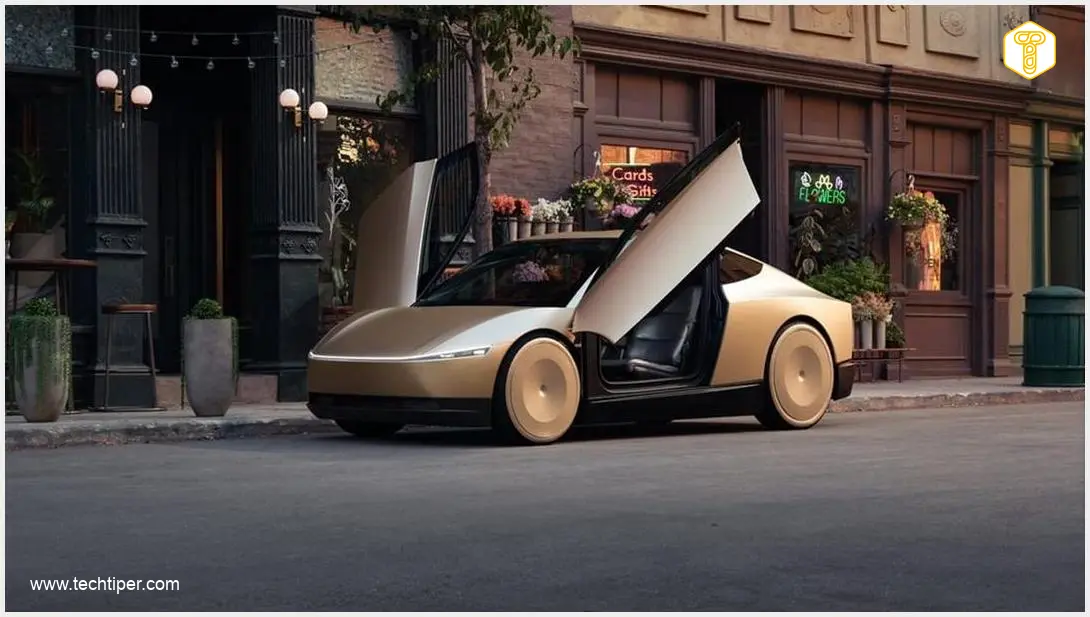
Tesla has recently commenced passenger operations with its highly anticipated Cybercab, an autonomous vehicle designed without traditional controls such as a steering wheel, pedals, or mirrors. However, the innovative vehicle’s debut has immediately captured the attention of the U.S. National Highway Traffic Safety Administration (NHTSA), which has launched a formal audit into its compliance with existing safety regulations. This investigation underscores the complex challenges of integrating groundbreaking autonomous technology into established regulatory frameworks.
What is the Tesla Cybercab?
The Tesla Cybercab represents a bold step towards fully autonomous transportation. Designed from the ground up as a robotaxi, it fundamentally rethinks vehicle interior architecture by eliminating the driver’s cockpit. This means no steering wheel, no brake or accelerator pedals, and no conventional side mirrors, as it is intended to operate without human intervention. The vehicle is a key component of Tesla’s broader vision for an autonomous ride-hailing network.
NHTSA Initiates Probe into Cybercab Certification
The U.S. National Highway Traffic Safety Administration began its inquiry into the Tesla Cybercab on September 3rd. This significant date coincides precisely with the launch of the first passenger rides for the autonomous vehicle in Austin, marking a swift regulatory response to its commercial deployment. The audit currently encompasses approximately 1,000 Cybercab units, highlighting the scale of concern from the federal safety agency.
The initial rollout of the Cybercab was notably understated. Instead of a grand public unveiling or livestream event, Tesla quietly introduced the first rides to a select group of invitees. Following this limited debut, access to the autonomous service has gradually expanded through the dedicated Robotaxi application, allowing more users to experience the futuristic transport.
The Core of the Regulatory Concern: Self-Certification and Novel Design
For NHTSA, the primary focus is not the commercial launch strategy, but rather the methodology Tesla employed to certify the Cybercab for public road use. The regulator aims to thoroughly examine both the vehicle’s certification process and the technical data Tesla presented to demonstrate its adherence to stringent national safety standards.
In the United States, vehicle manufacturers operate under a system of self-certification. This means that unlike some other regions where pre-approval is required for each new vehicle model, manufacturers like Tesla declare their vehicles comply with all applicable federal motor vehicle safety standards (FMVSS). NHTSA’s role is then to monitor and verify these declarations, launching investigations if there are doubts about a vehicle’s compliance or safety.
The Cybercab’s radical design — lacking conventional driver controls — presents a unique challenge to this system. NHTSA is particularly keen to understand how Tesla interpreted and applied existing regulations to a vehicle that fundamentally deviates from traditional automotive design. A key question is how Tesla justified deeming certain regulatory requirements non-applicable for a vehicle without standard human-operated controls. This investigation could set precedents for how future autonomous vehicles without traditional human interfaces are evaluated and certified. The broader push towards autonomous public transport is also underway globally, with discussions around a revolution in transport as commercial robotaxis arrive in Europe. For instance, Europe has seen its first commercial robotaxi service launch in Zagreb with partnerships between Uber, Verne, and Pony.ai.
Broader Context: NHTSA’s Ongoing Scrutiny of Tesla’s Autonomous Driving Systems
This latest audit is not an isolated event but rather fits into a broader pattern of regulatory oversight regarding Tesla’s advanced driver-assistance systems. NHTSA has previously initiated and conducted extensive investigations into Tesla’s Full Self-Driving (FSD) technology. For instance, one prominent ongoing probe involves approximately 3.2 million Tesla vehicles and is related to incidents where visibility limitations played a significant role in accidents. Such ongoing investigations underscore the agency’s commitment to ensuring the safety of evolving automotive technologies.
Frequently Asked Questions (FAQ)
The Tesla Cybercab is an autonomous vehicle designed for robotaxi services, notably lacking traditional controls like a steering wheel, pedals, and side mirrors, as it is intended to operate without human drivers.

The U.S. National Highway Traffic Safety Administration (NHTSA) is investigating the Cybercab to understand how Tesla certified a vehicle without traditional driver controls (steering wheel, pedals, mirrors) to comply with federal safety standards. They are reviewing the certification process and technical data.
In the U.S., manufacturers self-certify that their vehicles meet federal safety standards. They declare compliance, and NHTSA then has the authority to audit these claims and investigate if there are concerns about safety or compliance.
If NHTSA finds that Tesla’s certification of the Cybercab does not adequately meet safety standards, it could lead to recalls, modifications, fines, or even a halt in commercial operations until compliance is achieved. It could also influence future regulations for highly autonomous vehicles lacking traditional controls.
Source: Electrek, Original Reporting
Opening photo: Tesla / Press materials
About Post Author
