
Contents
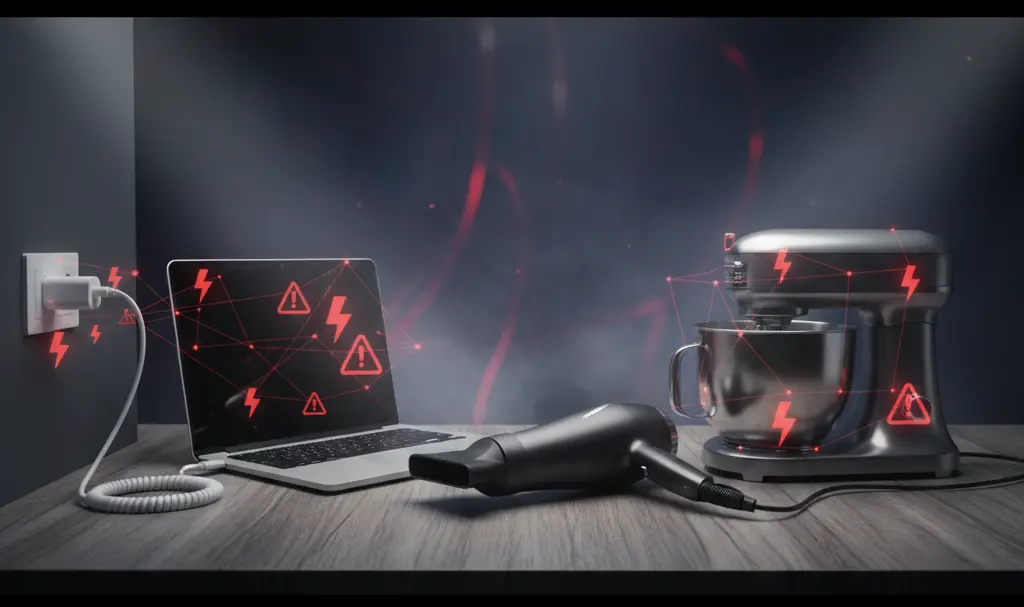
The Essential Guide to Unplugging Appliances Overnight for Safety and Savings
In our modern, tech-filled homes, many of us are blissfully unaware of the energy our devices consume even when not in use. This oversight can lead to an unwelcome surprise when the electricity bill arrives, not to mention posing potential safety risks. Understanding which appliances to unplug before bed is a simple yet effective way to protect your home and your wallet.
Here’s a comprehensive guide to the devices you should consider unplugging nightly:
1. Portable Electric Heaters
Portable electric heaters, often called space heaters, are notorious for their high energy consumption. Beyond their impact on your electricity bill, leaving them plugged in overnight can have severe safety consequences. These devices are highly susceptible to overheating, particularly if they are accidentally covered by curtains, bedding, or clothing.
An overheated heater can lead to a short circuit, which presents a significant fire hazard. It’s crucial to unplug portable heaters before going to sleep and never leave them unsupervised, even when you’re just stepping out of the house. Always ensure they are placed on a stable, non-flammable surface with adequate clearance from other objects.
2. Hair Styling Tools
Hair dryers, straighteners, curling irons, and other hair styling tools are designed to heat up rapidly. While convenient for quick styling, this rapid heating capability makes them a risk if left plugged in for extended periods, even when switched off. A sudden surge or an internal fault could unexpectedly activate the device.
Imagine a hair straightener, switched off but still plugged in, accidentally activating on a wooden surface or a towel in a closed bathroom overnight. The heat generated could quickly ignite flammable materials, leading to a dangerous house fire. Always unplug these appliances from the power outlet immediately after use to eliminate any risk.
3. Chargers for Electronic Devices
In our digital age, chargers for smartphones, tablets, laptops, and other gadgets are ubiquitous. Many people leave chargers plugged into outlets even after their devices are fully charged or disconnected. This common habit, however, is detrimental for two reasons: energy waste and safety.
While an individual charger might draw only a minuscule amount of “phantom load” or “vampire drain” – a small trickle of electricity even when not actively charging a device – these amounts add up. With multiple chargers plugged in across your home, this constant draw contributes to higher electricity bills over time. Although a single charger might only add a few cents to your monthly bill, the cumulative effect of several such devices can be substantial.
More critically, leaving chargers plugged in increases the risk of electrical faults. Damaged charging cables or non-certified, cheap replacement chargers are particularly prone to short circuits, which can lead to overheating or even fire. By unplugging chargers, you not only save money but also significantly enhance your household’s safety.
4. Laptops
Laptops are essential tools for many, often left perpetually connected to their chargers. A common misconception suggests that continuous charging is beneficial for a laptop’s battery life. This is incorrect and can actually be harmful, particularly when left plugged in overnight unnecessarily.
During your sleep, a laptop that remains plugged in for hours after its battery is full contributes to unnecessary heat buildup in both the device and the charger. This prolonged heat can accelerate battery degradation and potentially lead to overheating issues for the laptop’s internal components. Furthermore, a charging cable left lying on the floor could accidentally be crushed by furniture or stepped on, increasing the risk of damage, a short circuit, or even an electrical fire. It’s best practice to unplug your laptop once it’s fully charged, especially before leaving it unattended or overnight.
5. Small Kitchen Appliances
Modern kitchens are filled with an array of convenient small appliances, from microwaves and electric kettles to blenders and the increasingly popular air fryers. These devices, while incredibly useful, are often culprits of “energy vampire” drain, consuming power even when not actively in use.
Unplugging these appliances before bed takes mere seconds but can protect against potential hazards such as short circuits or sudden power surges. Power surges, which can occur due to lightning strikes or issues with the electrical grid, can damage electronics and, in extreme cases, ignite fires. The rise of certain appliances has even led to increased safety concerns. For instance, data from the UK Home Office revealed a significant 57% increase in house fires caused by air fryers between 2023 and 2024 alone. Considering an air fryer? Read our review. The popularity of these devices highlights the importance of safe usage and unplugging habits. Learn more about how air fryers are transforming kitchens.
Frequently Asked Questions (FAQ)
How much energy do unplugged appliances really save?
The energy saved by unplugging individual appliances might seem small, often referred to as “phantom load” or “vampire drain.” However, when you consider all the electronic devices in an average home, the cumulative effect can be significant. This “always-on” power consumption can account for 5-10% of a typical household’s electricity bill. Over a year, these small savings add up to noticeable reductions in your overall energy costs.
Is it enough to just switch off an appliance, or do I need to unplug it?
While switching off an appliance does reduce its power consumption, many devices still draw a small amount of electricity when in standby mode or even when turned off but still plugged in. This “phantom load” continues to consume energy and can still pose a minor fire risk, especially if the device is faulty. For complete energy saving and maximum safety, physically unplugging the appliance from the wall outlet is the most effective method.
What about appliances that need to stay on, like refrigerators or modems?
Certainly, some appliances are designed to run continuously for essential functions. Refrigerators and freezers need to stay on to preserve food, while Wi-Fi routers and modems are typically left on for internet connectivity. The advice to unplug primarily applies to non-essential devices or those that have a high “phantom load” or significant fire risk when idle, such as portable heaters, hair styling tools, and many chargers. Always prioritize safety and functionality for essential devices.
Are smart plugs a good alternative to unplugging?
Smart plugs can be an excellent alternative for managing “phantom load” and enhancing convenience. They allow you to remotely turn off power to an appliance at the outlet, effectively cutting off the electricity supply without physically unplugging it. This can save energy and reduce fire risks associated with idle appliances. However, for high-risk items like portable heaters, or if you’re concerned about potential electrical faults during power surges, physically unplugging remains the safest option. Always use certified smart plugs from reputable brands.
Source: Gemini
Opening photo: Gemini
About Post Author
