
Contents
YouTube Revolutionizes TV Viewing with AI Integration and Intensifies Ad Blocker Battle
YouTube is currently piloting a groundbreaking feature that will allow users to engage in direct conversations with artificial intelligence (AI) within the application, right as they’re enjoying their favorite videos. This innovative integration is initially available to a select group of users, marking a significant step towards a more interactive and personalized viewing experience. At the same time, YouTube is intensifying its efforts against ad blockers, introducing new measures for those accessing the platform via web browsers and and mobile devices.
Conversational AI Comes to Your TV Screen
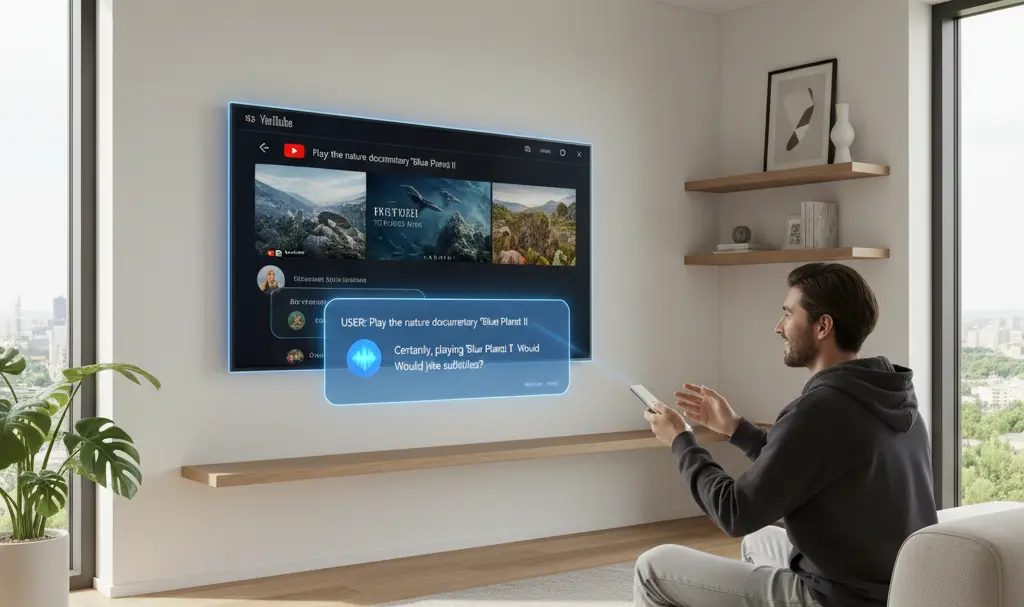
All signs point to YouTube soon deploying a powerful new AI tool within its application designed for Smart TVs, gaming consoles, and various streaming devices. This new feature centers around a conversational AI model that enables users to interact without interrupting their viewing experience. Imagine being able to ask questions about the video you’re watching and receiving instant, context-aware answers.
The functionality is designed for simplicity:
- A dedicated “Ask” button will appear on the screen.
- Clicking this button allows users to pose questions using the microphone built into their remote control.
- The AI will then provide details about interesting aspects, such as the context of a particular song or scene.
- It can also suggest follow-up questions, deepening your understanding and engagement with the content.
This expansion of the YouTube application with AI support is a strategic response from Google to the surging popularity of YouTube on television sets. Data from Nielsen indicates that YouTube’s TV app commands a substantial 12.4% market share in the USA, highlighting the growing trend of viewers consuming content on larger screens.
Experimental Rollout and Language Support
As of now, this conversational AI feature remains in an experimental phase. It is exclusively accessible to users who are 18 years of age or older. Furthermore, its current language support is limited to English, Spanish, Portuguese, Hindi, and Korean. There is no information available yet regarding when other languages will be added to this list. This gradual rollout allows YouTube to gather feedback and refine the AI’s performance before a wider release.
YouTube’s Stance on Ad Blockers
While the Smart TV application thrives, YouTube is simultaneously implementing significant changes for a segment of its users on web browsers and mobile devices. These changes specifically target individuals who utilize ad blockers, such as popular AdBlock extensions. In an unprecedented move, YouTube has introduced a unique restriction for these users: the disabling of video descriptions and comments.
While some theories suggest this issue might stem from incorrect functioning of the ad blockers themselves, strong indications point towards YouTube’s deliberate action. The platform has a documented history of actively combating users who bypass advertisements, famously deploying tactics such as hour-long ads in the past. This latest measure underscores YouTube’s commitment to ensuring ad revenue for creators and the platform.
Frequently Asked Questions (FAQ)
What is YouTube’s new AI feature for TVs?
YouTube is testing a conversational AI model that allows users to ask questions about the video they are watching directly within the TV app, using their remote’s microphone. The AI can provide context, details, and suggest further questions.
Who can access the new AI conversation feature?
Currently, the feature is in an experimental phase and is available only to selected users aged 18 and older.
What languages does the AI feature support?
At launch, the conversational AI supports English, Spanish, Portuguese, Hindi, and Korean. Information on future language support is not yet available.
What changes is YouTube implementing for ad blocker users?
YouTube is restricting users with ad blockers by disabling access to video descriptions and comments on its browser and mobile versions. This is part of YouTube’s ongoing efforts to ensure ad visibility.
Source: TechCrunch. Opening photo: Generated by Gemini
About Post Author
