Contents
Enhanced Privacy on the Horizon: Samsung’s Privacy Display and the Race Among Smartphone Makers
At the upcoming Galaxy Unpacked 2026 event, Samsung is anticipated to unveil a groundbreaking innovation: the world’s first smartphone featuring its highly anticipated Privacy Display. This cutting-edge functionality is designed to protect your on-screen content from unwanted glances, ensuring your personal and sensitive information remains private, especially in public spaces. Interestingly, this advanced privacy option may soon extend to devices from rival manufacturers in China, signaling a growing industry focus on user privacy.
Samsung’s Privacy Display: Setting a New Standard for Screen Security
The tech world is just days away from Samsung’s highly anticipated Galaxy Unpacked event, where the Seoul-based giant is expected to reveal a host of new hardware. A standout among these new devices will be the flagship Samsung Galaxy S26 Ultra, which is slated to introduce a critical security feature: the Privacy Display.
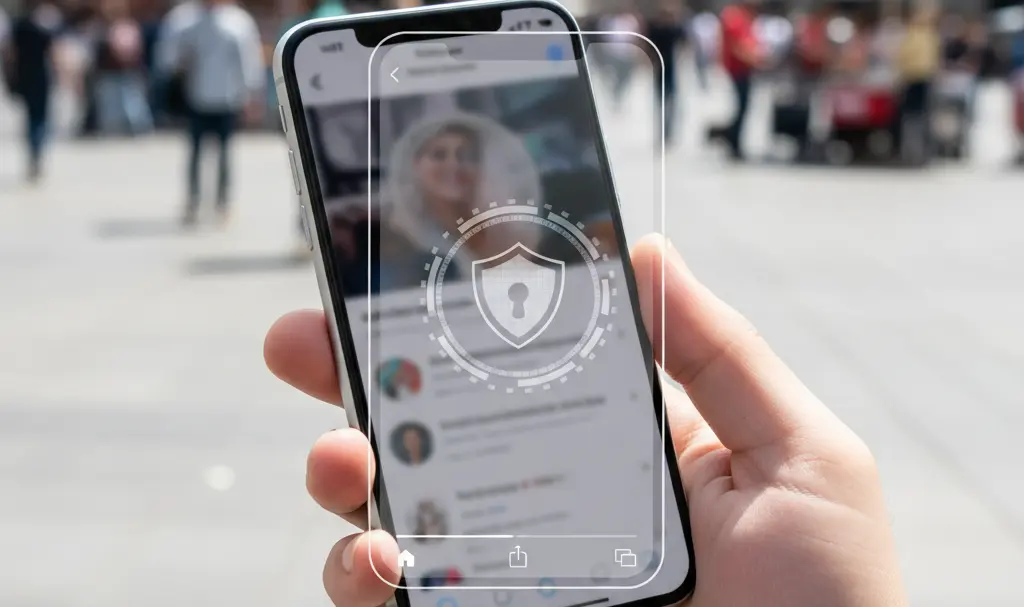
This technology utilizes hardware-level modifications to restrict viewing angles. This means that only the person directly in front of the screen can clearly see its contents. For anyone looking from an angle, such as a fellow commuter on a crowded bus or train, the screen will appear significantly dimmed or even completely black. This effectively prevents “visual hacking,” where sensitive information might be inadvertently or maliciously observed.
Chinese Tech Giants Join the Privacy Revolution
It appears Samsung’s exclusive ownership of this technology might be short-lived. Recent leaks and industry speculation suggest that some of the most popular smartphone manufacturers from China, including Vivo, OPPO, and Xiaomi, are actively developing their own proprietary solutions mirroring Samsung’s Privacy Display.
While official announcements are still pending, rumors indicate that these integrated screen visibility filters could arrive in Chinese flagship smartphones as early as September of this year. Crucially, these features are expected to be implemented in their high-end “Pro” and “Ultra” series models, emphasizing their commitment to premium user experiences and enhanced security.
Beyond Smartphones: Protecting Privacy on All Your Screens
While safeguarding smartphone visibility is a high priority due to their widespread use in public, similar privacy solutions are not exclusive to mobile devices. Users can extend this protection to other electronic gadgets, including laptops and desktop computers.
Hardware Privacy Filters for Laptops and Desktops
For years, owners of devices such as Windows laptops, MacBooks, and desktop computers have benefited from what are known as “privacy filters.” These affordable accessories are designed to work with virtually any screen:
- How they work: Privacy filters operate using a “micro-louvre” technology. Much like mini-blinds, these microscopic slats embedded in the filter direct light forward.
- Restricted Viewing: When a filter is applied, the screen’s content is only clearly visible to someone looking directly at it from a straight-on perspective.
- Affordable Solution: These are relatively inexpensive gadgets that offer an effective way to secure sensitive information on larger screens in various environments, from coffee shops to open-plan offices.
Frequently Asked Questions (FAQ)
What is a Privacy Display?
A Privacy Display is a smartphone screen technology that limits the viewing angles, making the screen content visible only to the person directly in front of it. This prevents others from easily seeing your private information.

How does Privacy Display technology work?
This technology typically uses hardware-level solutions, such as micro-louvre layers embedded in the display or specialized pixel structures, to direct light only towards the user’s direct line of sight. From oblique angles, the screen appears significantly darker or black.
Which smartphone brands are expected to feature Privacy Displays?
Samsung is set to debut its Privacy Display with the Galaxy S26 Ultra. Speculations also suggest that Chinese manufacturers like Vivo, OPPO, and Xiaomi are developing similar technologies for their upcoming flagship models.
Can I add a privacy filter to my current devices?
Yes, for devices like laptops, MacBooks, and desktop monitors, you can purchase physical privacy filters. These are affordable accessories that attach to your screen and use micro-louvre technology to restrict viewing angles, providing an effective layer of privacy.
Source: Android Authority. Opening photo: Generated by Gemini
About Post Author