Contents

Budget Galaxy Phones to Shame Samsung Flagships: Superior in One Key Aspect
Next-Gen Galaxy A-Series Poised to Outperform Flagships in Battery Life
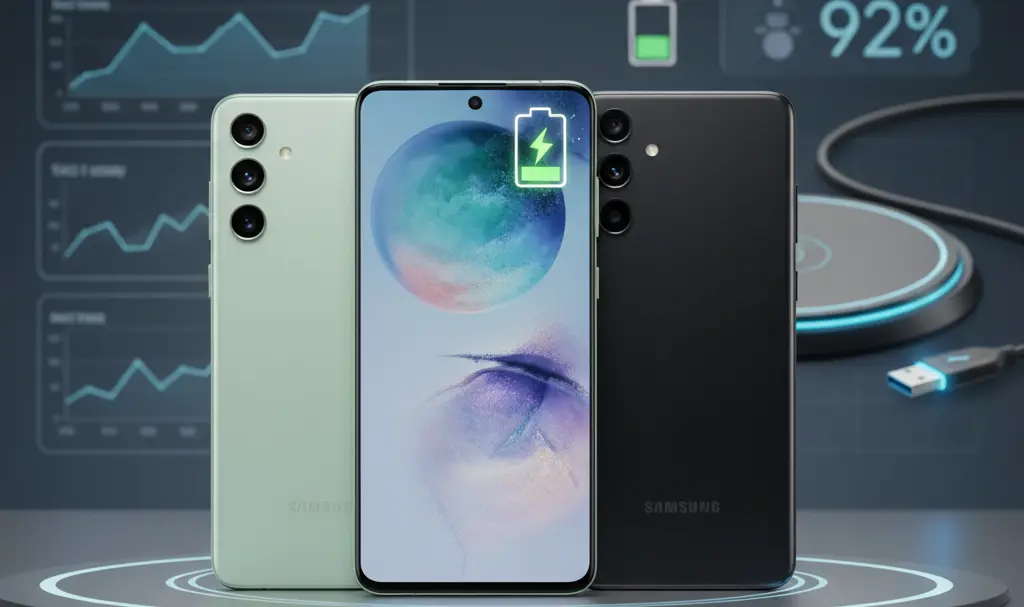
Samsung is reportedly preparing to launch its next wave of Galaxy A-series smartphones, and early data suggests these mid-range devices could deliver a surprising challenge to their flagship counterparts, specifically regarding battery endurance. Information from the European Product Registry for Energy Labelling (EPREL) indicates that the upcoming Galaxy A37 and A57 models might offer significantly longer battery life on a single charge compared to the base model of the hypothetical future Galaxy S26.

Galaxy A37 and A57 Expected to Feature Superior Battery Longevity
The EPREL database, a crucial source for energy efficiency data in the European Union, requires manufacturers to disclose estimated operating times for devices. According to entries for models identified as SM-A376B/DS and SM-A576B/DS, the Galaxy A37 is projected to last up to an impressive 53 hours, while the A57 is expected to achieve around 52 hours. In contrast, the Galaxy S26 is listed with an estimated battery life of 51 hours.
While these differences may seem marginal, they highlight an intriguing paradox: more affordable smartphone models could become the preferred choice for users who prioritize extended device usage above all else.
Behind the Numbers: Battery Capacity and Efficiency
Industry leaks further support these findings, suggesting that the upcoming Galaxy A-series phones are likely to incorporate batteries with capacities around 5000 mAh. This is a notable difference when considering that the base Galaxy S26 model is anticipated to retain a smaller 4300 mAh battery. The combination of a larger battery capacity with less power-intensive components in the budget-friendly models could provide them with an even greater advantage in real-world endurance.
Enhanced Durability: IP68 Rating for the A-Series
Battery life isn’t the only area where the new Galaxy A-series is making strides. The EPREL documents also reveal that both the Galaxy A37 and A57 are expected to feature an IP68 rating for water and dust resistance. This level of durability is typically reserved for Samsung’s premium flagship devices, making its inclusion in the mid-range A-series a significant upgrade and a major selling point for consumers seeking robust performance without the premium price tag.
Battery Longevity: Charging Cycles Explained
Another aspect highlighted by the leaked data is battery cycle life. Both the Galaxy A37, A57, and Galaxy S26 are rated for approximately 1200 charging cycles. This figure is somewhat lower than some previous models, which in certain tests achieved up to 2000 cycles. However, some industry experts suggest this might not indicate a decline in battery quality, but rather a shift in measurement standards and testing methodologies, which can influence reported cycle counts.
- What are Charging Cycles? A charging cycle refers to the process of using all of a battery’s capacity, which doesn’t necessarily mean charging from 0% to 100%. For example, if you use 50% of your battery one day and recharge it, and then use another 50% the next day, that counts as one charging cycle.
- Why is it Important? The number of charging cycles a battery can withstand indicates its expected lifespan before its capacity significantly degrades.
The Bigger Picture: Where Flagships Still Shine
It’s crucial to understand that while the Galaxy A-series may excel in battery life and durability, this does not imply overall superiority to the S-series flagships. Samsung’s flagship models will undoubtedly continue to offer cutting-edge features such as:
- Significantly faster and more powerful processors
- Advanced Artificial Intelligence (AI) capabilities
- Superior camera systems with more versatile photographic options
- Premium build materials and display technologies
The upcoming Galaxy A-series simply presents a compelling option for consumers whose primary needs revolve around exceptional battery life and robust durability, often at a more accessible price point.
Frequently Asked Questions (FAQ)
What are the main findings regarding the new Galaxy A series?
New data suggests the upcoming Galaxy A37 and A57 models could offer longer battery life than the base Galaxy S26 flagship, alongside an IP68 water and dust resistance rating, a feature typically found in premium devices.
How do the battery lives compare between the new A-series and the Galaxy S26?
According to the EPREL database, the Galaxy A37 is projected for up to 53 hours, the A57 for about 52 hours, while the base Galaxy S26 is listed at 51 hours. This suggests the budget A-series could have slightly superior battery endurance.
What does the IP68 rating mean for budget Galaxy phones?
An IP68 rating signifies that the phone is highly resistant to dust and can withstand immersion in water up to 1.5 meters for 30 minutes. Its inclusion in the budget Galaxy A-series makes these phones exceptionally durable for their price segment.
Why might the battery charging cycle rating be lower than previous models?
While the new A-series and S26 are rated for around 1200 charging cycles, lower than some older models, experts suggest this could be due to updated measurement standards and testing methodologies rather than a genuine decrease in battery quality.
Does this mean the Galaxy A series is overall better than the S series?
No, not overall. The S-series flagships will still offer superior performance with faster processors, advanced AI features, better cameras, and premium designs. The A-series simply provides a strong alternative for users prioritizing exceptional battery life and durability at a more affordable price.
Source: Unofficial leaks and EU EPREL database reports
Opening photo: Gemini
About Post Author