

Contents
Apple Declares iPhone 5 ‘Obsolete,’ Ending All Support
Apple has officially announced the end of life for one of its most historically significant smartphones, the iPhone 5. This move places the device on Apple’s “obsolete” list, signifying a complete cessation of manufacturer support after more than a decade since its debut.
What Does ‘Obsolete’ Status Mean for iPhone 5 Users?
When Apple classifies a device as “obsolete,” it means all technical support from the manufacturer comes to a definitive end. For iPhone 5 owners, this has several key implications:
- No Authorized Repairs: Apple Stores and Apple Authorized Service Providers will no longer offer repairs or service for the iPhone 5.
- Lack of Genuine Parts: Access to official replacement parts for repairs through Apple or its partners ceases, making it difficult to maintain the device with authentic components.
- Increased Security Vulnerability: Critically, obsolete devices no longer receive software updates, including crucial security patches. This leaves the iPhone 5 more susceptible to new malware, exploits, and system bugs, compromising user data and privacy.
- Limited Third-Party Options: While independent repair shops might still service the device, they will rely on unofficial or aftermarket parts, and the quality and longevity of such repairs cannot be guaranteed by Apple.
Apple typically designates devices as “obsolete” once they are more than seven years past their last distribution date. This policy helps the company focus resources on newer technologies and maintain its supply chain for current products.
The End of an Era: Celebrating the iPhone 5’s Legacy
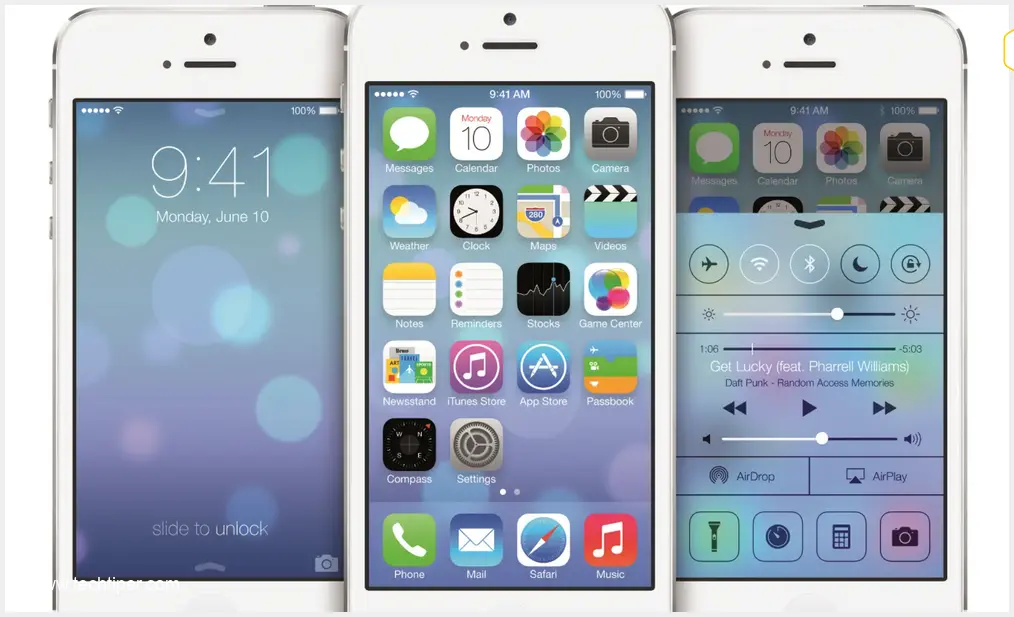
First launched in 2012, the iPhone 5 was more than just another iteration; it represented a significant leap forward for Apple and the smartphone industry. Its innovations set new standards and influenced countless devices that followed.
Key Innovations Introduced by the iPhone 5
- The Lightning Connector: The iPhone 5 marked the debut of Apple’s proprietary Lightning port, a smaller, reversible 8-pin connector that replaced the much larger, 30-pin dock connector. This innovation allowed for slimmer devices and a more convenient user experience for charging and data transfer.
- First with LTE Connectivity: This model was the first iPhone to support LTE (Long-Term Evolution), ushering in an era of significantly faster mobile data speeds. This upgrade was crucial for media streaming, faster browsing, and more robust app performance.
- Redesigned Form Factor: Apple refined the iPhone’s design with the iPhone 5. It featured a thinner, lighter aluminum body and, for the first time, a taller 4-inch Retina display (up from the previous 3.5-inch), offering more screen real estate while remaining comfortable for one-handed use. This design language paved the way for future iPhone generations.
- Last 32-bit iPhone: The iPhone 5 was the final Apple smartphone to utilize a 32-bit architecture. Subsequent models transitioned to 64-bit processors, which enabled more powerful computing and support for larger amounts of RAM, fundamentally changing how apps could be developed and how the operating system functioned. Running 32-bit applications on modern iOS versions is no longer possible, limiting the software compatibility of the iPhone 5.
The Path to ‘Obsolete’: Apple’s Product Lifecycle Policy
Apple maintains a clear product lifecycle policy for its hardware. Devices first enter a “vintage” status after five years of no longer being distributed for sale. During this “vintage” period, Apple may still offer repairs, subject to parts availability. After seven years, a device moves to the “obsolete” list, at which point all hardware service is discontinued without exception.
Frequently Asked Questions (FAQ)
What does it mean if my iPhone 5 is “obsolete”?
When an iPhone 5 is declared “obsolete,” Apple officially ceases all hardware service, authorized repairs, and availability of genuine replacement parts through its stores and certified service providers. Crucially, it also means the device will no longer receive any software updates, including security patches.
Can I still use my iPhone 5?

Yes, your iPhone 5 will still function. However, without security updates, it becomes increasingly vulnerable to new threats and software incompatibilities. Some newer apps may also cease to support its older operating system.
Where can I get my iPhone 5 repaired now?
Since Apple no longer offers official service, you would need to rely on independent, third-party repair shops. Be aware that these shops will use non-genuine or aftermarket parts, and the quality and longevity of such repairs are not guaranteed by Apple.
Why does Apple make devices obsolete?
Apple’s obsolescence policy is standard practice in the tech industry. It helps manage the complexity of supporting a vast range of products, ensures the company can focus on new technologies, and encourages users to upgrade to devices that can leverage the latest software features and maintain robust security standards.
Source: AppleInsider, Gemini.
Opening photo: Gemini.
About Post Author
