Contents
The Future of Samsung Galaxy Design: Why Qi2 Wireless Charging Faces Major Delays
The global smartphone community has been eagerly anticipating Samsung’s adoption of the Qi2 standard, a move that would bring highly convenient, magnetic wireless charging to the company’s flagship devices. While early industry rumors suggested this highly requested feature might debut with the upcoming Galaxy S27 series, recent reports from the Korean tech giant paint a far less optimistic picture.
Will We Have to Wait Longer for the Qi2 Wireless Standard?
The Qi2 wireless charging standard, widely regarded as the biggest direct competitor to Apple’s MagSafe ecosystem, is one of the most anticipated technological upgrades among Samsung enthusiasts. Unfortunately, implementing this standard comes with several significant technical and structural barriers that the Seoul-based manufacturer currently seems unable to overcome.
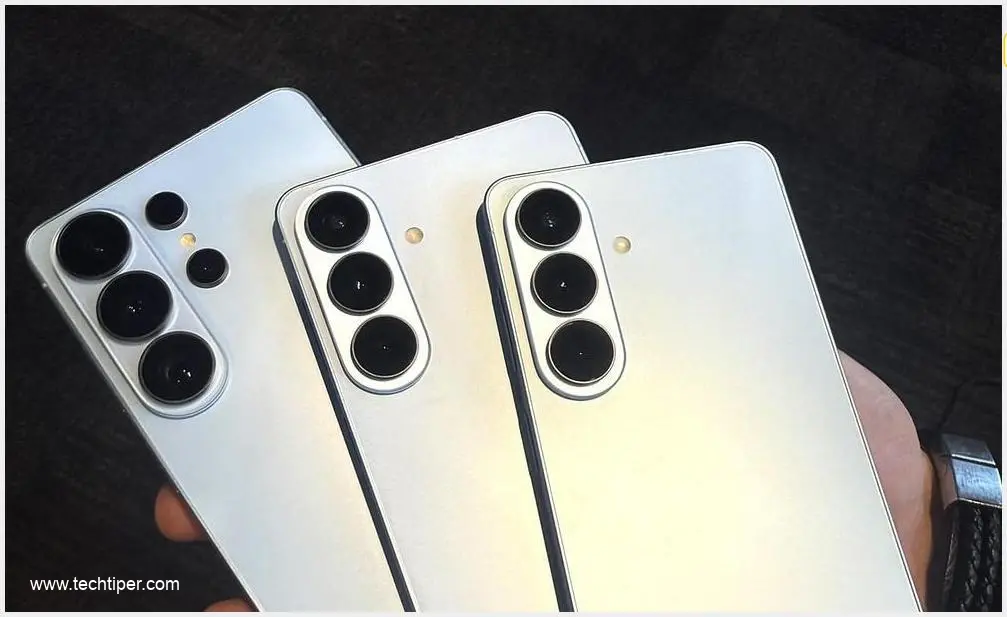
The primary hurdle involves ensuring seamless synergy between the new magnetic chargers and existing Galaxy accessories, which would require a massive ecosystem adaptation. This challenge strongly echoes previous Samsung Galaxy S26 Ultra charger compatibility issues, where accessory alignment proved more difficult than initially anticipated. Furthermore, integrating the necessary magnetic rings would likely require a complete redesign of the rear camera island—a design overhaul that industry insiders currently deem highly improbable.
Economic Hurdles and the Looming Global RAM Crisis
Beyond design and compatibility challenges, adopting Qi2 technology in the Galaxy S27 lineup may be hindered by strictly economic factors. Profitability and cost-management issues within the company have become severe enough to potentially delay the integration of new charging technologies for the foreseeable future.
This cautious financial approach is part of a broader trend. Many hardware enhancements originally planned for earlier models were famously paused due to budget constraints. These financial hurdles are closely tied to the recent Samsung Galaxy S26 market struggles regarding profitability and rising RAM costs.
How Will the RAM Crisis Impact Smartphone Buyers?
Compounding Samsung’s internal financial struggles is a massive global crisis in the RAM market, projected to hit its peak between late 2025 and early 2026. Unfortunately, current industry forecasts are bleak, and analysts do not expect a quick resolution to these supply chain shortages. The potential delay of the Qi2 standard pales in comparison to the broader market consequences of this component crisis.
Consumers should prepare for several significant changes in the mobile hardware landscape:
- Reduced Memory Capacities: While premium flagship phones recently boasted up to 16 GB of RAM, the upcoming standard for top-tier devices is expected to drop back down to the 8 GB to 12 GB range.
- Increased Device Costs: To maintain profit margins amidst rising component prices, manufacturers are highly likely to raise the retail prices of their new smartphones.
- Declining Global Sales: Due to a combination of higher prices and compromised technical specifications, global smartphone sales are projected to decrease by nearly 13%.
What This Means for the Galaxy S27 Series
As the smartphone industry navigates these turbulent economic waters, manufacturers are forced to make difficult compromises. For Samsung, this likely means prioritizing core performance and cost stability over structural redesigns and new accessory ecosystems. Until the global component market stabilizes, features like Qi2 magnetic charging may remain firmly on the drawing board.
Frequently Asked Questions (FAQ)
What is the Qi2 wireless charging standard and why is it important?

Qi2 is the latest universal standard for wireless charging, built upon magnetic power profile technology. Similar to Apple’s MagSafe, it uses a ring of magnets to perfectly align the smartphone with the charger. This ensures faster, more efficient charging and allows for a wide range of snap-on magnetic accessories.
Why is Samsung delaying Qi2 charging for its flagship phones?
Samsung faces several barriers, including the need to redesign the camera module to fit the magnetic ring and ensuring existing accessories remain compatible. Additionally, rising manufacturing costs and a global component shortage have forced the company to delay costly hardware redesigns.
How will the upcoming RAM market crisis affect flagship smartphone specifications?
Due to severe shortages and rising costs in the global RAM market expected throughout 2025 and 2026, many smartphone manufacturers are planning to reduce the amount of memory in their premium devices. Flagships that previously offered 16 GB of RAM may see their specifications reduced to 8 GB or 12 GB to prevent massive price hikes for consumers.
Source: 9to5Google. Opening photo: Kamil Marek.
About Post Author