Contents
mObywatel: A Digital Revolution in Public Services
Poland’s mObywatel application has reached an impressive milestone, surpassing 12 million users and establishing itself as the most popular government application within the European Union. This significant achievement, coupled with dynamic user growth, record-breaking service adoption, and ambitious future development plans, marks a new phase of maturity for Poland’s digital public administration.
Rapid Expansion: 12 Million Digital Citizens
The Ministry of Digital Affairs proudly announced that mObywatel now serves 12 million users, a number that has doubled in a mere 2.5 years, growing from 5.7 million at the end of 2023. This explosive growth signals a shift for the application, moving it from a niche offering to one of the most widely used tools in public administration.
It’s crucial to note that the 12 million figure specifically refers to mDowód (digital ID cards). The actual community around mObywatel is even larger, as this count doesn’t include users of “mObywatel Junior” (for children under 18 who may not yet have a digital ID) or other digital documents.
The immense popularity of services like mStłuczka (digital accident reporting) further underscores the app’s widespread adoption. With nearly 7 million digital driving licenses (mPrawa Jazdy) and over 9 million registered vehicles linked to 4.5 million users, mObywatel has become an indispensable tool for many.
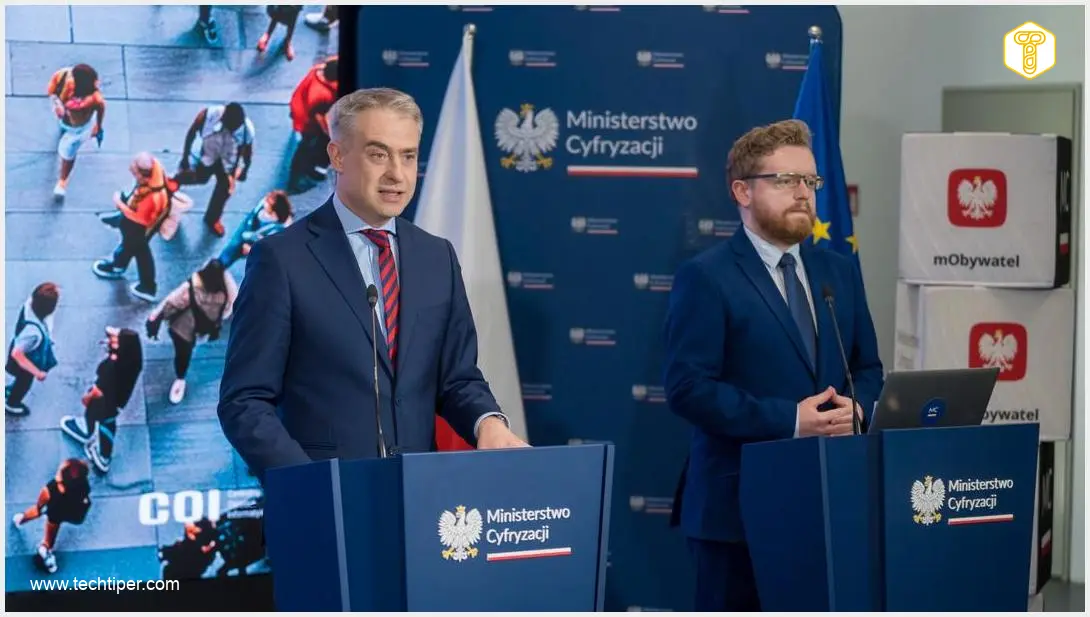
Dariusz Standerski, Deputy Minister of Digital Affairs, highlighted the app’s integration into daily life, stating: “Poles have embraced mObywatel. This is confirmed by nearly 1.5 million daily logins. It demonstrates how frequently we use the application and how deeply it has become part of our daily routine. Thanks to mObywatel, we can now handle many matters without leaving home, connect quickly…” (Excerpt from Ministerstwo Cyfryzacji X post, May 26, 2026).
In total, mObywatel now hosts 26 million digital documents, including the 12 million digital ID cards that frequently replace traditional physical documents. Users are increasingly relying on these mobile versions for various other areas, solidifying digital document equivalents as a standard part of everyday life.
The approximate 1.5 million daily logins demonstrate mObywatel’s constant presence in interactions with the state—from roadside checks and official visits to data security matters. The Ministry of Digital Affairs emphasizes that this isn’t just a technological success but “evidence of public trust” in the state’s digital solutions.
Beyond Documents: A Hub of Digital Services
Over the past 2.5 years, mObywatel has undergone record-breaking development. An impressive 89 new services, documents, and features have been added, with plans to introduce another 11 novelties by the end of June. Currently, users have access to 47 services that enable a range of activities, including managing official matters, remotely confirming identity, and verifying documents. For entrepreneurs, this digital shift streamlines processes, as highlighted in initiatives like Streamlining Entrepreneurship: Register Your Business via mObywatel App.
Among the most frequently used features is the ability to check penalty points, a service accessed over 31 million times. Drivers also utilize the vehicle history function more than 10 million times to verify cars before purchase or confirm technical data.

Identity security has become a core pillar of the application. The Zastrzeż PESEL service, which allows users to instantly block their PESEL (National Identification Number) in cases of suspected fraud, has been utilized by over 8 million people. This critical feature offers a robust defense against identity theft and financial scams.
The app’s versatility is further encapsulated by Deputy Minister Dariusz Standerski’s statement: “mObywatel supports us at every stage of life. Parents can now register a newborn child directly within the application. In crisis situations, such as a road collision, mObywatel allows for quick and efficient event management. The application also speeds up daily processes…” (Excerpt from Ministerstwo Cyfryzacji X post, May 26, 2026).
mObywatel: A European Benchmark in Digital Governance
The Ministry of Digital Affairs proudly describes mObywatel as “one of the most popular applications in Poland and the most popular government application in the European Union,” positioning it as a prime example of successful digital transformation in public administration.
Deputy Minister Dariusz Standerski emphasized Poland’s leadership in this domain during the “12 Million mObywatel Users. Digital Services Changing Poland” conference: “The largest countries in the European Union are proudly announcing today that they have surpassed 3 or 4 million users for their government applications. We are very happy and cheer them on to eventually reach the place where Poland already is.”
Despite its success, mObywatel faces ongoing regulatory and technological challenges. These include adapting to the upcoming European Digital Identity Wallet and maintaining compatibility with evolving security standards and operating systems. This aligns with broader European initiatives like EU Digital Border Control: ESS and ETIAS Explained, which emphasize unified digital identity frameworks.
Anticipated changes, such as mandatory login based on electronic ID cards (e-dowód) and the eventual end of support for older iOS versions, indicate that the app’s development will become increasingly integrated with the broader European digital infrastructure. This ensures mObywatel remains at the forefront of digital governance and interoperability across the continent.
Frequently Asked Questions (FAQ)
What is mObywatel?
mObywatel is a mobile application developed by the Polish government that provides citizens with secure access to various digital documents and public services. It allows users to carry digital versions of their ID card, driving license, vehicle registration, and access services like identity confirmation, accident reporting, and checking penalty points.
How many users does mObywatel have, and why is this significant?
mObywatel has surpassed 12 million users, making it the most popular government application in the European Union. This rapid growth, doubling its user base in just 2.5 years, demonstrates a high level of public trust and widespread adoption of digital public services in Poland, setting a benchmark for other EU member states.
What types of services are available through mObywatel beyond just digital documents?
Beyond digital versions of ID cards and driving licenses, mObywatel offers a wide array of services. These include features for reporting road accidents (mStłuczka), checking penalty points, accessing vehicle history for purchases, registering newborns, and crucially, the “Zastrzeż PESEL” service for blocking national identification numbers in case of suspected fraud. The app is continuously expanding its functionalities to cover more aspects of civic life and administrative interactions.
How is mObywatel preparing for future integration with European digital identity initiatives?
mObywatel is actively preparing for future integration with broader European digital identity frameworks, such as the European Digital Identity Wallet. This involves ensuring compatibility with evolving EU security standards, adapting to new operating system requirements, and implementing changes like mandatory logins based on electronic ID cards. These steps are crucial for maintaining interoperability and security across the European digital infrastructure, reinforcing Poland’s commitment to advanced digital governance.
Source: Ministry of Digital Affairs, X. Opening photo: Ministry of Digital Affairs / Flickr
About Post Author