

The AI Revolution in Google Search: A User Rebellion
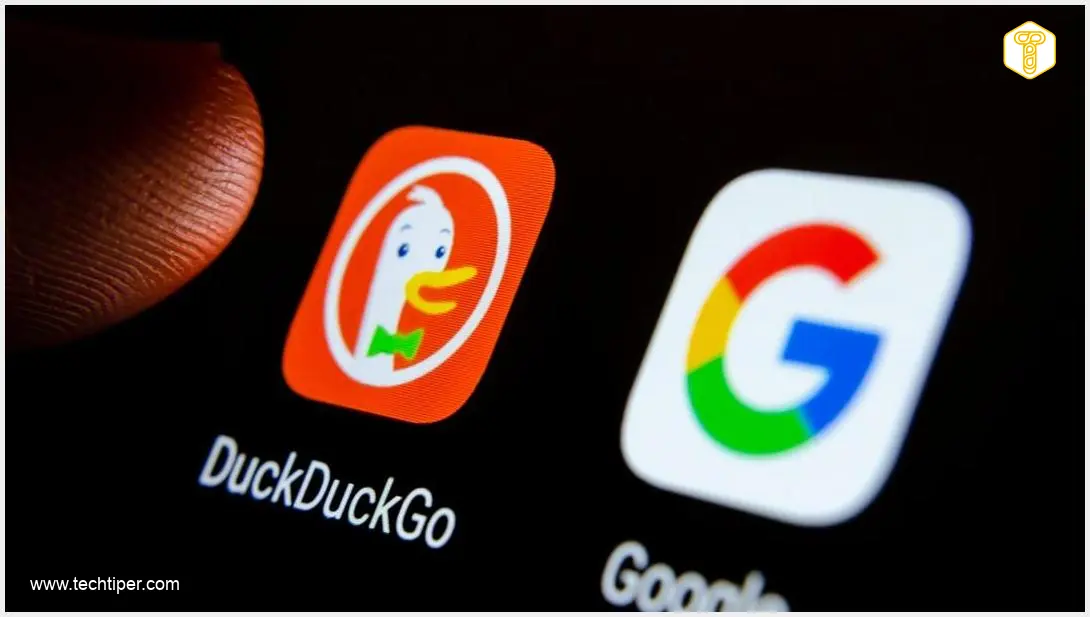
Google’s ambitious transformation of its Search engine, aiming to replace the classic “ten blue links” with sophisticated AI agents, has met with considerable user resistance. This shift has inadvertently boosted the popularity of alternative search engines like DuckDuckGo, which has seen a notable increase in installations since Google’s announcement.
Google Transforms Search into an AI Agent Platform
At the Google I/O 2026 conference, the tech giant officially unveiled what it called the most significant change to its search engine in 25 years. Instead of the familiar list of links, users are now directed to an interface featuring interactive responses powered by the Gemini model and “information agents” that continuously monitor the web on their behalf.
The updated interface transcends traditional text, incorporating images, files, videos, and even open tabs from Chrome. Search results manifest as dynamic widgets, visualizations, and mini-applications generated in real-time, moving beyond simple website links. This fundamental change marks a new era in search interaction. Learn more about how Google is integrating AI into search with developments like live AI conversations and visual search, and how advancements in Gemini 3.1 Flash are enhancing AI conversations and voice search capabilities.
Google frames this evolution as a natural progression towards a more “agent-centric” internet, where artificial intelligence handles the majority of information gathering for the user. However, practically, this means a significant reduction in the visibility of traditional links, favoring AI-generated summaries and recommendations. This development has raised considerable concerns among publishers, SEO professionals, and general users regarding the future of the open internet and traffic flow to independent websites.
Users Grow Weary of Google Search, DuckDuckGo Capitalizes on Discontent
Google’s aggressive integration of AI into its search experience, often perceived as “force-feeding AI,” has been met with frustration by many who feel there’s no straightforward option to opt-out. It’s widely acknowledged that AI-generated overviews can sometimes “hallucinate” or provide inaccurate information. Compounding this, users often have to navigate through the new interface or find workarounds to access classic search results.
To everyone switching to DuckDuckGo after the #GoogleIO news: hi.
Links aren’t going anywhere.
AI is optional.
You’re in the right place.https://t.co/EaMhFMNom7— DuckDuckGo (@DuckDuckGo) May 21, 2026
Amidst this dissatisfaction, DuckDuckGo has observed a marked surge in interest, particularly within the United States. Between May 20th and 25th, the average growth in app installations reached 18.1%, peaking at an impressive 30.5% on May 25th. This timeframe directly coincides with Google’s announcement and the rollout of its updated Search experience.

The impact was even more pronounced on iOS devices, where the average growth rate for the same period hit 33%, with a staggering maximum increase of 69.9%. This data strongly suggests that mobile users are actively seeking alternatives to Google’s default search solutions.
In parallel, traffic to noai.duckduckgo.com, a version of the search engine with all AI features disabled by default, has significantly increased. This indicates a clear user preference for search results free from generative artificial intelligence. Users are not necessarily against AI itself, but rather desire the autonomy to decide when and how to engage with it.
Could Non-AI Search Become a Significant Niche?
Evidence suggests that “no AI search” could evolve into a distinct and valuable niche, especially among advanced users, privacy advocates, and professionals who prioritize traditional information retrieval over automated summaries. DuckDuckGo has astutely identified this trend, strategically offering both AI-integrated and AI-free product options.
If the current wave of dissatisfaction with Google’s “force-feeding AI” approach persists, it is plausible that rival search engines will similarly highlight a “no AI” switch as a key competitive differentiator, further solidifying this emerging market segment.
Frequently Asked Questions (FAQ)
What significant changes did Google announce for its search engine?
At Google I/O 2026, Google announced a major overhaul of its Search engine, shifting from traditional link lists to interactive responses powered by the Gemini AI model and “information agents.” The new interface features dynamic widgets, visualizations, and mini-applications that integrate text, images, videos, and even open Chrome tabs.
Why are users dissatisfied with the new Google Search experience?
Many users perceive Google’s aggressive integration of AI as “force-feeding” it without a clear option to opt-out. Concerns include potential AI “hallucinations” or inaccuracies in summaries, and the difficulty in accessing traditional search results, often requiring users to navigate complex interfaces or find workarounds.
How has DuckDuckGo benefited from Google’s AI changes?
DuckDuckGo experienced a significant increase in app installations, particularly in the United States, following Google’s AI announcements. Average installation growth reached 18.1% (up to 30.5% on peak days), with iOS seeing even higher surges (average 33%, max 69.9%). Traffic to DuckDuckGo’s AI-free search page also saw a notable rise, indicating a strong user preference for non-AI search options.
Is “no AI search” becoming a new trend or niche?
Yes, there’s strong indication that “no AI search” could become a significant niche. It appeals to advanced users, privacy-conscious individuals, and professionals who prefer traditional search results over AI-generated summaries. DuckDuckGo is strategically addressing this demand by offering both AI-integrated and AI-free search options.
Source: TechCrunch, The Next Web, Reddit, Engadget, X
Opening photo: Ascannio / Shutterstock
About Post Author
