

Contents
Will Meta Avoid Trouble? High-Profile Lawsuit Withdrawn
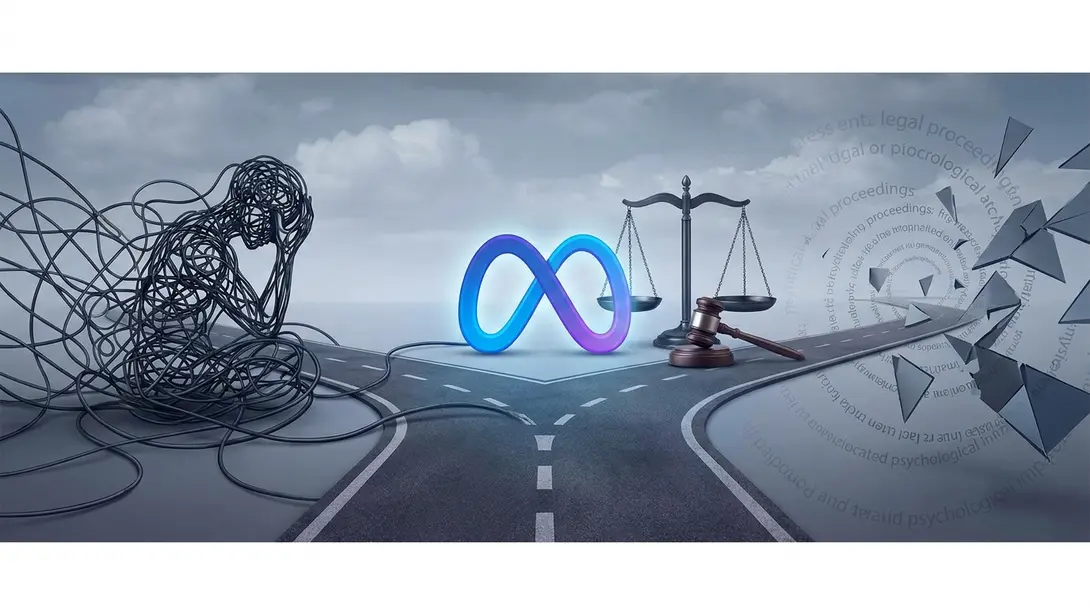
In a recent development that has garnered significant attention, a high-profile lawsuit filed against the Meta Platforms consortium by a minor user has been unexpectedly withdrawn. The legal action centered on allegations that Meta’s social media platforms utilize addictive mechanisms, leading to detrimental effects on users’ mental and physical health. This decision marks a surprising turn of events, to which the tech giant has already responded, expressing clear satisfaction with the outcome.
A Temporary Reprieve for Meta
The lawsuit in question was initiated by a 15-year-old resident of Florida, USA. The teenager accused Meta of creating social media services whose design mechanisms fostered addiction and contributed significantly to his health issues, including severe sleep disturbances.
Interestingly, this was not the first time the American teen had pursued such claims. He had previously filed similar lawsuits against other major social media platforms, including YouTube, TikTok, and Snapchat, only to withdraw those claims as well. The reasons behind this repeated pattern of filing and then retracting legal actions have now been clarified by his legal representatives.
Why the Lawsuit Was Withdrawn
According to the lawyers representing the 15-year-old, the primary motivation for withdrawing the lawsuit against Meta was the apprehension of a protracted and complex jury trial. The prospect of a lengthy legal battle, potentially spanning years, was deemed too burdensome, especially given the teen’s focus on his recovery and well-being.
The young man reportedly intends to now concentrate on his treatment and a gradual return to health, free from the stress of ongoing litigation. This decision allows him to prioritize his personal recovery journey over a prolonged legal confrontation.
Meta’s Stance and Previous Legal Challenges
Meta, the company behind Facebook, Instagram, and WhatsApp, has publicly reacted to the withdrawal of the lawsuit. A spokesperson for Meta stated that the company remains steadfast in its commitment to “firmly defend itself against unfounded accusations” concerning the impact of its platforms.
This case also brought to light a significant historical precedent. The lawsuit was initially slated to be heard before a jury, a detail that holds particular weight given that a jury had previously ruled against the Meta consortium in a similar context. In that prior instance, the organization was compelled to pay approximately $6 million in damages for the psychological harm inflicted upon a young woman, highlighting the potential financial and reputational risks associated with such trials.
For more insights into the broader context of social media’s impact on mental well-being, explore the connections between technology and our health in articles like Social Media Addiction Lawsuits: Parallels to Tobacco Litigation? and gain a deeper understanding of user behaviors with The Psychology of Social Media Lurkers: Conscious Choices for Digital Well-being.
A Growing Wave of Legal Action
The recent withdrawal notwithstanding, Meta continues to face a substantial number of legal challenges. A notable example from late last year involved a massive class-action lawsuit where Meta was sued by approximately 1800 individuals. This widespread action underscored the escalating concerns about the design and impact of its platforms.

Beyond allegations of addictive mechanisms, these plaintiffs also accused Meta of:
- Utilizing tools that exacerbate mood disorders.
- Promoting self-destructive behaviors.
- Facilitating dangerous interactions with adults.
In response to these extensive allegations, Meta consistently refuted the claims, asserting that they were “manipulated” or lacking substantial evidence. This ongoing pattern of legal battles highlights a persistent tension between tech companies and public health advocates regarding online platform responsibility.
Frequently Asked Questions (FAQ)
The lawyers representing the 15-year-old plaintiff stated that the lawsuit was withdrawn due to concerns about the potential for a lengthy and complicated jury trial. The decision was made to allow the teen to focus on his treatment and recovery without the added stress of ongoing litigation.
Yes, Meta has faced numerous lawsuits alleging that its platforms’ design mechanisms contribute to addiction and harm users’ mental health. Notably, a jury previously ruled against Meta in a similar case, ordering the company to pay approximately $6 million in damages for psychological harm.
In addition to claims of addictive mechanisms, Meta has been accused in other lawsuits of utilizing tools that exacerbate mood disorders, promoting self-destructive behaviors, and facilitating dangerous interactions with adults on its platforms. These are part of broader concerns about social media’s impact on user well-being.
Source: BBC. Opening photo: Poetra.RH / Shutterstock
About Post Author
