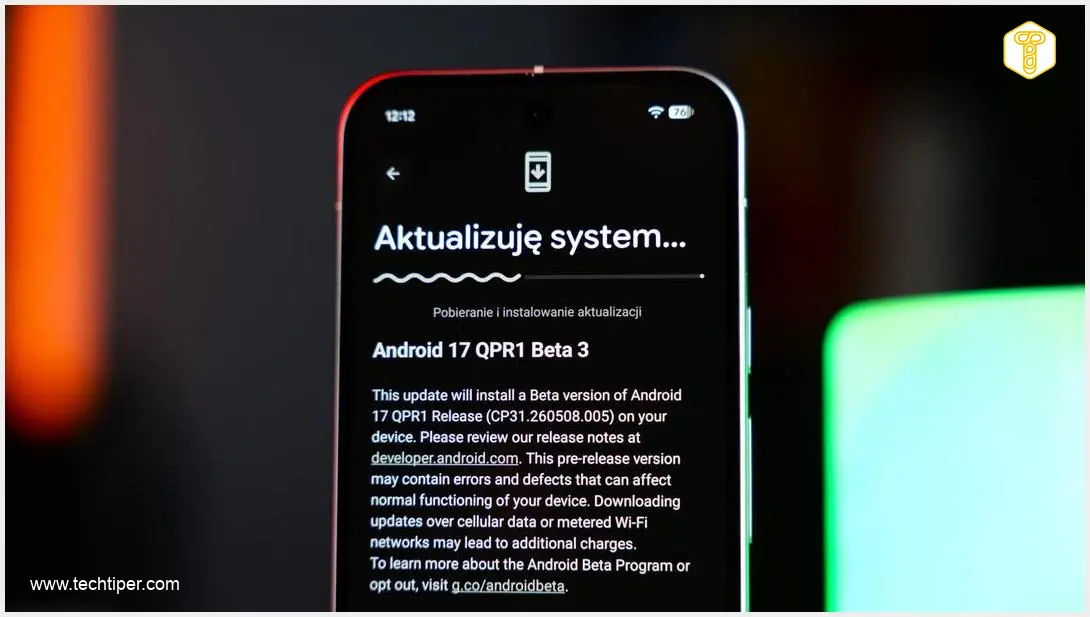
As Google prepares for its highly anticipated September Pixel Feature Drop, the release of Android 17 QPR1 Beta 8 marks a crucial phase, primarily focusing on refining stability and rectifying persistent bugs rather than introducing new features. This update is a significant step towards ensuring a smoother, more reliable experience for Pixel users across a wide array of devices.
Contents
What is Android 17 QPR1 Beta 8?
Android 17 QPR1 Beta 8 is the latest experimental build of Google’s quarterly platform update, designed for Pixel users enrolled in the Android Beta Program. Unlike the concurrently developed Android 17 QPR2, this QPR1 build continues to support an extensive range of devices, from the Pixel 6 series onwards, including the Pixel Tablet and the Pixel Fold. This broad compatibility ensures that a significant portion of the Pixel ecosystem benefits from these crucial refinements.
With Android 17 QPR1 having already achieved “Platform Stability,” its Application Programming Interfaces (APIs) are finalized. This means that the primary focus of Beta 8 is not on new functionalities but squarely on enhancing the system’s overall stability and dependability. Users looking for insights into upcoming features might be interested in our previous coverage: Android 17 Features and Release Date: What to Expect from Google.
Critical Bug Fixes to Enhance Pixel Experience
The Android 17 QPR1 Beta 8 update brings several vital fixes that address long-standing issues reported by the Pixel community. These improvements are designed to directly impact daily usage, making Pixel devices more enjoyable and trustworthy.
Eliminating the Severe Audio Distortion Bug
One of the most significant fixes in Beta 8 targets a severe audio problem that caused sudden, extremely loud distortions and static noise during media playback and notifications. This disruptive bug was widely reported by Pixel users, with numerous entries in the Google Issue Tracker. For individuals who heavily rely on their phones for video streaming, music, and podcasts, Beta 8 is expected to drastically improve their experience by eradicating these jarring audio “explosions” that could be startling and hinder everyday device interaction.
Resolving the “Disappearing” Docking Station Issue for Pixel Tablet
Pixel Tablet users have been contending with a frustrating bug where the docking station would intermittently go offline or fail to connect when the tablet was docked. Android 17 QPR1 Beta 8 rectifies this problem, restoring dependable switching between devices. Tablet owners can now expect their devices to maintain a consistent connection with the docking station without random disconnections, ensuring seamless transitions between portable and docked modes. This fix contributes significantly to the device’s utility, especially for features like Android 17 Priority Charging: Google Tests New Feature.
Addressing NFC Inconsistencies and Fingerprint Authentication Failures
Further improvements in Beta 8 tackle issues with Near Field Communication (NFC). In some instances, NFC functionality prevented the correct reading of tags or the opening of associated URLs. For users who frequently use contactless payment cards, smart tags at home or work, or NFC-based automation, this update should restore predictable and reliable performance to the NFC module.
Concurrently, the update fixes a bug that prevented the fingerprint authorization process from initiating when attempting to unlock the device. Following the deployment of QPR1 Beta 8, biometric security mechanisms are expected to operate more consistently and reliably, providing a smoother and more secure unlocking experience.
Widespread Pixel Support and the Road to September’s Feature Drop
Android 17 QPR1 Beta 8 is accessible to a broad spectrum of Pixel devices, including the Pixel 6, 6 Pro, 6a, 7, 7 Pro, 7a, Pixel Tablet, Pixel Fold, Pixel 8 series, Pixel 9 series, and the latest Pixel 10 models (including Pro and Fold variants), provided they are enrolled in the Android Beta Program. This is one of the final beta releases before the much-anticipated September Pixel Feature Drop, which is expected to bring a host of new functionalities and enhancements.

For owners of the Pixel 6 and Pixel 6 Pro, this update carries particular significance, marking a symbolic milestone. The Pixel 6 series is approaching the end of its software support period, making QPR1 one of the last major updates these models will receive. This underscores Google’s commitment to providing critical bug fixes and stability improvements even as devices near their support lifecycle.
Frequently Asked Questions (FAQ)
Android 17 QPR1 Beta 8 supports a wide range of Pixel devices, including Pixel 6, 6 Pro, 6a, 7, 7 Pro, 7a, Pixel Tablet, Pixel Fold, the Pixel 8 series, Pixel 9 series, and the latest Pixel 10 models (including Pro and Fold variants). Users must be enrolled in the Android Beta Program to receive the update.
“Platform Stability” signifies that the Application Programming Interfaces (APIs) for Android 17 QPR1 are finalized. This means developers can confidently build and update their apps targeting this version without anticipating further changes to the core system APIs. Consequently, updates like Beta 8 primarily focus on bug fixes, performance enhancements, and overall system reliability rather than introducing new developer-facing features.
This beta release is crucial because it’s the last major step before the official September Pixel Feature Drop. By prioritizing and thoroughly addressing significant bugs like audio distortions, docking station issues, and NFC problems, Google aims to ensure a highly stable and reliable foundation. This approach prevents known issues from carrying over into the stable public release and allows the Feature Drop to focus on new user-facing enhancements without being bogged down by critical system-level problems. It sets the stage for a smooth transition to the next stable release.
Source: Android Developers, Android Central, Android Authority, Android Headlines
Opening photo: Krzysztof Wilamowski
About Post Author