Contents
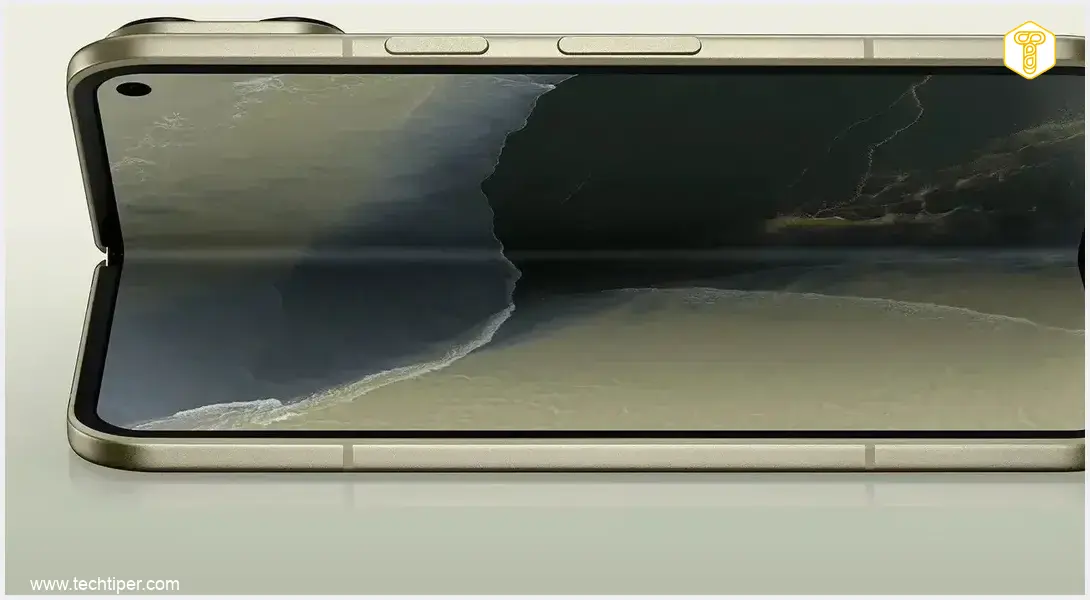
Google Pixel 12 Pro Fold Rumored to Feature Apple-Like Crease-Free Display
Just weeks after the global launch of Google’s latest flagship foldable, the Pixel 11 Pro Fold, anticipation is already building for its successor. Recent leaks suggest that the upcoming Pixel 12 Pro Fold could feature a groundbreaking display technology, remarkably similar to what is expected in Apple’s highly anticipated foldable smartphone. This potential development signals a significant shift in foldable display innovation, with Google possibly drawing inspiration from its key competitor.
Significant Leaks Emerge for Google’s Next Foldable
The Google Pixel 11 Pro Fold made its debut in mid-August, and barely three weeks later, crucial details about its successor, the Pixel 12 Pro Fold, have already surfaced. Reports indicate that Google, headquartered in Mountain View, is planning intriguing innovations for its next foldable device, with one particular feature potentially being adopted from a rival company.
Crease-Free Displays: The Future of Foldable Technology
The core of this exciting leak revolves around a sophisticated, crease-free display technology—the very same innovation rumored for the upcoming foldable iPhone. This suggests that Google is prioritizing a seamless user experience, addressing one of the primary criticisms of earlier foldable designs.
It’s noteworthy that Google, in collaboration with major smartphone manufacturers like Vivo and OPPO, has been actively working with Samsung Display to advance Ultra-Thin Glass (UTG) dual display technology. This existing partnership highlights Google’s deep commitment to pushing the boundaries of foldable screens and understanding the intricate science behind creating durable and aesthetically pleasing flexible displays. For more insights into how various companies are tackling display creases, you can read our detailed analysis on Foldable Smartphone Crease-Free Technology: OPPO & iPhone.
While specifics about Apple’s foldable display remain scarce, Google’s apparent interest in this particular technology speaks volumes. The market already offers a variety of advanced display solutions, such as Samsung’s integration of a titanium plate beneath its OLED displays for enhanced durability and OPPO’s pioneering use of 3D printing for display fabrication. Google’s choice to potentially align with Apple’s approach suggests a strong belief in the superiority or unique advantages of this specific crease-free method.
Anticipating the Google Pixel 12 Pro Fold Launch
Given that the Pixel 11 Pro Fold has only recently hit the market, consumers will naturally have to wait a while for its successor. Current projections suggest that the Google Pixel 12 Pro Fold could make its debut in the latter half of 2027, assuming development proceeds as planned. This timeline allows for significant advancements and refinement of the new display technology. For more details on its predecessor and past leaks, check out Google Pixel 11 Leaks, Specifications, and Release Date.
Early Acclaim for Apple’s Foldable Device
With the rumored debut of Apple’s first foldable smartphone just around the corner, excitement is palpable. The Cupertino-based company, now under the leadership of new CEO John Ternus, is expected to unveil this groundbreaking device at its annual September conference. The device has reportedly already undergone testing by internal teams, and their initial feedback has been overwhelmingly positive.
Key aspects that have garnered praise from testers include:
- Compact Size: The device’s manageable dimensions allow it to fit comfortably into a pocket, enhancing portability and user convenience.
- Robust Hinge Mechanism: Testers particularly lauded the hinge, citing its solid and durable construction as a major advantage, promising longevity and reliability.
Frequently Asked Questions (FAQ)
Crease-free display technology is crucial for foldable smartphones because it addresses one of the primary drawbacks of early models: the visible crease or wrinkle at the fold line. A seamless, crease-free screen enhances the user experience by providing a more uniform and visually appealing display, making the device feel more like a traditional smartphone when unfolded and improving overall aesthetics and durability. It also indicates advanced engineering in hinge design and display materials.

If Google adopts a similar crease-free display technology to Apple’s, it could significantly enhance the Pixel 12 Pro Fold’s appeal by offering a superior visual and tactile experience. This move would position Google at the forefront of foldable display innovation, potentially attracting users who are deterred by the visible crease on current foldable devices. It also suggests a strategic focus on premium features to compete effectively in the high-end foldable market.
The article mentions other innovative display solutions like Samsung’s use of a titanium plate under the OLED display for durability and OPPO’s 3D-printed screens. Google’s potential preference for Apple’s rumored crease-free technology, despite these alternatives, could stem from several factors: it might offer superior optical clarity, improved long-term durability, or a more elegant folding mechanism. It’s possible that Apple’s chosen method minimizes internal stress on the display more effectively or provides a thinner, lighter design, which Google might value for its next-generation foldable.
Source: 9to5Google. Opening photo: rincondemellis, evanblass
About Post Author