

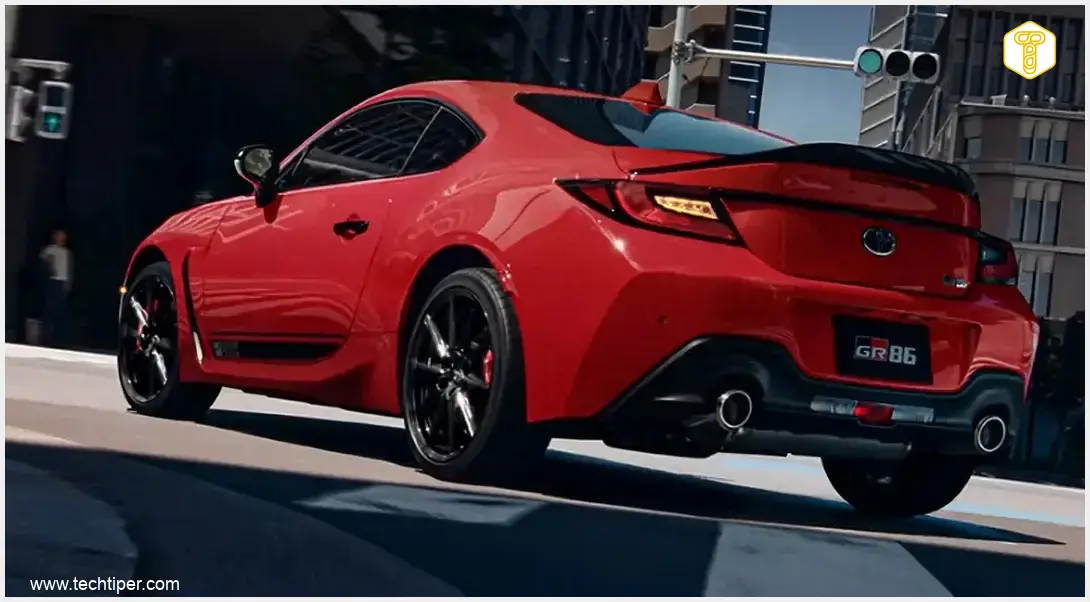
Toyota is reportedly making significant strides in refining its acclaimed GR86 sports car. The latest developments suggest a strategic shift for the upcoming model, moving away from forced induction in favor of a new, potent naturally aspirated engine. This initiative aims to equip the next-generation GR86 with a 2.0-liter, 220 horsepower powerplant, with initial prototype tests reportedly yielding optimistic results for engineers.
Contents
Toyota GR86 Embraces a Naturally Aspirated Future with New Engine
The Toyota GR86, revered for its pure driving experience, is poised for an exciting evolution. Instead of pursuing increased power through turbocharging, Toyota appears to be doubling down on the visceral connection a naturally aspirated engine provides. This return to roots focuses on responsive throttle input and a linear power delivery, characteristics highly valued by driving enthusiasts.
A New Heart for the GR86: The Toyota-Built 2.0-Liter G20E Inline-4
At the core of these developments is a brand-new 2.0-liter naturally aspirated engine, rumored to be internally designated as the “G20E Inline-4.” This engine is designed to produce approximately 220 horsepower. What makes this particularly noteworthy is that, unlike the previous generation’s 228-horsepower engine, which was sourced from Subaru, this new unit is expected to be entirely a Toyota creation. This marks a significant move towards greater in-house development for the GR86 powertrain.
The decision to forgo a turbocharger offers several engineering advantages. Without the added weight and complexity of a turbo system, the front end of the GR86 becomes lighter, contributing to enhanced steering feel and agility. Furthermore, naturally aspirated engines are renowned for their ability to rev higher and deliver a more direct connection between the accelerator pedal and engine response.
Track-Proven Performance: The GR86 Future FR Prototype
The new powertrain isn’t just theory; it’s being rigorously tested. A prototype, reportedly named the “Toyota GR86 Future FR,” has been put through its paces during the Super Taikyu endurance racing series in Okayama, Japan. This demanding racing environment, which first began in 1991 and features multiple vehicle classes competing simultaneously, provides an ideal proving ground for new automotive technologies.
Engineers observed promising results during these tests, with the new naturally aspirated engine achieving higher revolutions per minute (RPMs) than initially anticipated. This unexpected characteristic further underscores the engine’s potential for spirited performance and driver engagement.
The “Levin” Legacy: Expanding Engine Applications and Future Prospects
Intriguingly, the new engine is reportedly codenamed “Levin.” This name carries significant historical weight for Toyota, as it was famously used for the Toyota AE86, also known as the Sprinter Trueno – a legendary car cherished for its lightweight, rear-wheel-drive dynamics and naturally aspirated engine. This nomenclature hints at Toyota’s commitment to preserving the GR86’s performance heritage.
Should this new engine enter mass production, its application may extend beyond the GR86. There’s speculation that this powerful and characterful unit could find its way into future iterations of other iconic Toyota sports cars, such as the MR2 and Celica, should those models ever see a revival. A more potent variant of this engine might also serve as a successor to the Boxer engines, famously associated with models like the Subaru Impreza, in future GR86 developments. Toyota’s continuous innovation, as seen in models like the Toyota Corolla Cross GR Sport, demonstrates their commitment to evolving their lineup.
The development of this engine underscores Toyota’s dedication to offering diverse and engaging driving experiences across its range, including advancements seen in premium crossovers like the Lexus LBX e-Four.

Frequently Asked Questions (FAQ)
Toyota’s shift aims to enhance the GR86’s pure driving feel. Naturally aspirated engines offer more responsive throttle control, a linear power delivery, and a lighter front end, contributing to better handling and a more engaging driving experience valued by enthusiasts, even if peak horsepower figures might slightly differ from previous forced-induction counterparts.
The codename “Levin” is a nod to the legendary Toyota AE86 (also known as Sprinter Trueno), a beloved lightweight, rear-wheel-drive sports car from the 1980s, famous for its naturally aspirated engine. This choice of name suggests Toyota’s intent to uphold the GR86’s heritage of driver-focused performance and pure motoring.
Yes, if the engine enters mass production, there is speculation it could be adapted for future generations or revivals of other iconic Toyota sports cars. Potential candidates mentioned include the MR2 and Celica, extending its legacy beyond the GR86 and offering a versatile powertrain for future performance vehicles.
Source: Top Speed. Opening photo: Toyota / Press Materials
About Post Author
