

Contents
We Visited BMW’s New Factory: Where the Revolutionary iX3 is Born
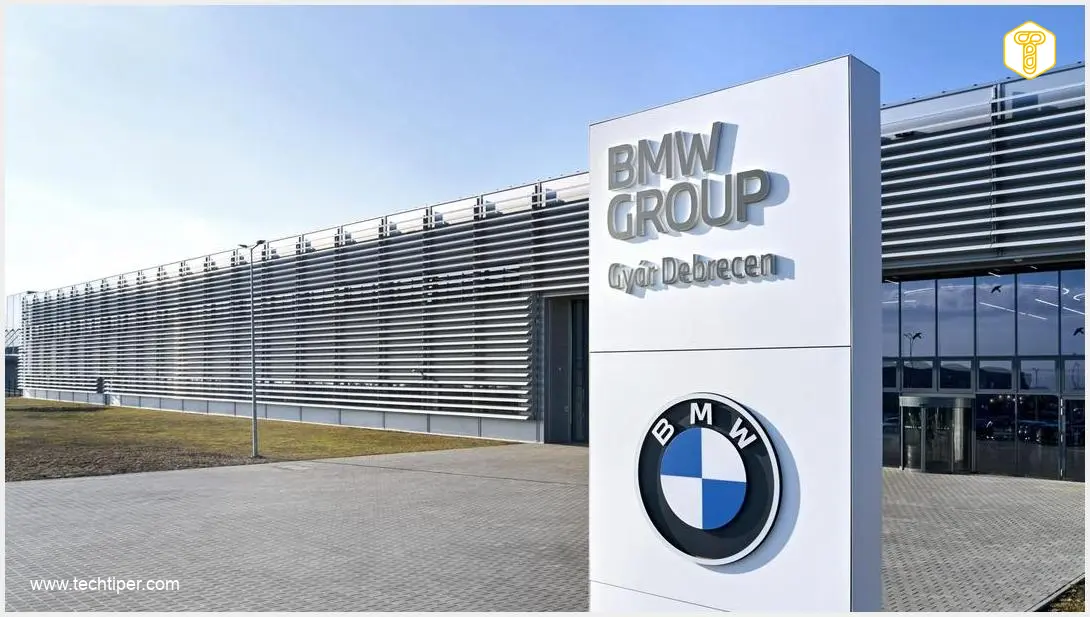
We recently had the exclusive opportunity to visit the new BMW Group factory in Debrecen, Hungary. This facility is not just another production plant; it’s the birthplace of the new BMW iX3, the first model from the highly anticipated Neue Klasse family, and a beacon for the future of automotive manufacturing. This state-of-the-art complex is designed to set new global standards for digital, efficient, and sustainable car production.
BMW’s State-of-the-Art Factory in Debrecen
The Debrecen factory commenced serial production of the BMW iX3 in November of the previous year, marking a pivotal moment for the brand. This facility stands as the most technologically advanced plant within BMW’s global production network, embodying the pinnacle of modern manufacturing.
The launch of the Debrecen factory and the initiation of BMW iX3 production represents a crucial strategic step for BMW. The iX3 is the inaugural series-production model of the Neue Klasse, showcasing the latest in design and technological innovations from the Bavarian automaker. BMW has ambitious plans for the Neue Klasse platform, with projections indicating that its technologies will be integrated into over 40 new and refreshed BMW models by 2027.
A Glimpse Inside the Future of Automotive Manufacturing
Spanning an expansive area of over 400 hectares (approximately 988 acres), the factory is a marvel of engineering, capable of producing complete vehicles from start to finish. Its innovative approach and integrated solutions are truly impressive. The Hungarian production complex handles all key stages of car manufacturing, including sheet metal stamping, body construction, paint application, and final vehicle assembly.
The Debrecen plant was developed in accordance with the BMW iFACTORY concept, which champions comprehensive digitalization of processes, leveraging artificial intelligence (AI), and virtual production planning. This forward-thinking approach minimizes waste and optimizes efficiency across all operations.
Furthermore, the factory is a pioneer within BMW’s network as the first facility to operate solely on electricity from renewable sources during normal operations, completely eliminating the use of fossil fuels. This commitment to sustainability is evident throughout the plant’s design and operation.
During our visit, we observed fully automated production lines, sophisticated robotic systems, and the on-site production of high-voltage batteries. This integrated approach ensures seamless manufacturing and quality control.
BMW emphasizes that these advanced solutions have significantly reduced the carbon footprint of the production process compared to existing models. The factory tour offered fascinating insights, such as observing how machines rotate vehicles on the production line, providing optimal access for workers to various components. This innovation not only reduces the need for heavy physical labor but also markedly enhances the comfort and safety of the working environment.
BMW Neue Klasse: Ushering in a New Era
The Neue Klasse represents more than just a new vehicle architecture; it’s a holistic re-imagining of BMW’s future. It encompasses advances in electric powertrains, digital user experience, and sustainable production. The BMW iX3 is merely the vanguard of this transformation, with numerous other electric models expected to follow. These future models will feature cutting-edge battery technology and electric drive systems designed for enhanced performance and range. This vision for the future of mobility aligns with broader industry trends towards electrification and sustainable transportation, as seen with developments like MG’s electric cars and semi-solid-state battery technology and BYD’s significant strides in EV charging infrastructure in Europe.

Sustainability at its Core
A striking feature of the Debrecen facility is its extensive photovoltaic installations, covering approximately 50 hectares (around 123 acres). These solar arrays are estimated to supply up to 25% of the factory’s annual energy requirements. As previously mentioned, the factory operates entirely on electricity derived from renewable sources, such as wind and solar, rather than conventional fossil fuels like oil or natural gas. This unwavering commitment underscores BMW’s dedication to environmental responsibility and truly sustainable manufacturing practices.
Frequently Asked Questions (FAQ)
The BMW Neue Klasse (New Class) is an upcoming generation of BMW electric vehicles based on a dedicated platform. It signifies a fundamental shift in design, technology, and sustainability for the brand, focusing on advanced electric powertrains, innovative digital experiences, and circular economy principles. The iX3 is the first series-production model from this family.
The new BMW iX3, the first model of the Neue Klasse, is produced at BMW Group’s state-of-the-art factory in Debrecen, Hungary. This facility is noted for its advanced technology and sustainable production methods.
The Debrecen factory is a pioneering facility for sustainable automotive production. It operates entirely on electricity from renewable sources, completely avoiding fossil fuels. It also features extensive photovoltaic installations covering 50 hectares and employs advanced processes to significantly reduce its carbon footprint, aligning with BMW’s iFACTORY concept for fully digitalized and environmentally conscious manufacturing.
Source: Internal development. Opening photo: BMW / Press materials
About Post Author
